The History And Evolution Of Military Helicopters
Introduction: A Journey Through the Evolution of Military Helicopters
In this article, we begin an enlightening journey through the intriguing history of military helicopters. From the earliest experiments in the 1940s, we’ll chart the evolution to today’s sophisticated, multi-role aircraft. This captivating narrative highlights how these incredible machines have dramatically transformed warfare.


The next section delves into how helicopters have redefined combat strategies. We explore the technological advancements that have propelled their capabilities to new heights. As we progress, you’ll gain insight into the vital roles these machines have played in various historical conflicts.
Our journey takes off with the Focke-Achgelis Fa 223’s involvement in World War II. We’ll then transition to the vital experiences gained during the Korean War. The narrative continues by highlighting the critical roles helicopters have played in the Vietnam War, Operation Desert Storm, and recent conflicts in Iraq and Afghanistan.
This comprehensive overview serves as a thorough exploration into the expansive world of military helicopters. Thus, buckle up and prepare for an exciting journey as we delve into this rich history.
Pre-1945 Beginnings: Military Helicopter Ancestors
The genesis of the military helicopter traces its roots back to World War II. During this era, the Focke-Achgelis Fa 223 helicopter, flown by Luftwaffe crews, was instrumental in the defense of Nazi Germany, performing various transport and supply missions. Notably, the German Navy used rotor gliders like the Flettner Fa 330 Bachstelze from U-boats and had put into operation the Flettner Fa 282 Kolibri reconnaissance helicopter, operating from warships at sea.
The Dawn of Military Helicopters: The Sikorsky R-4 Era
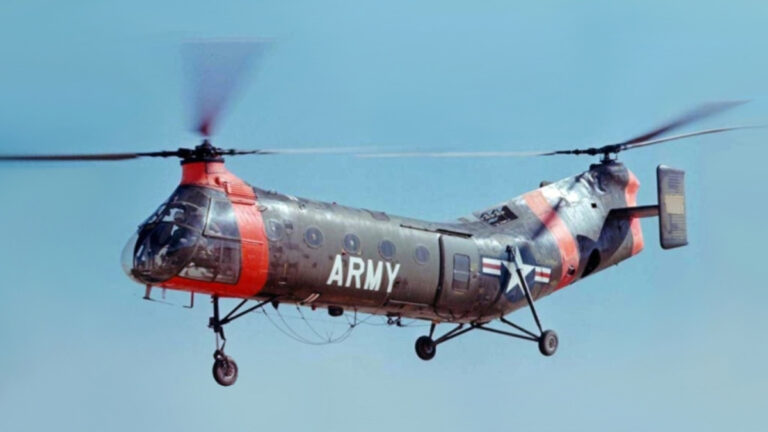
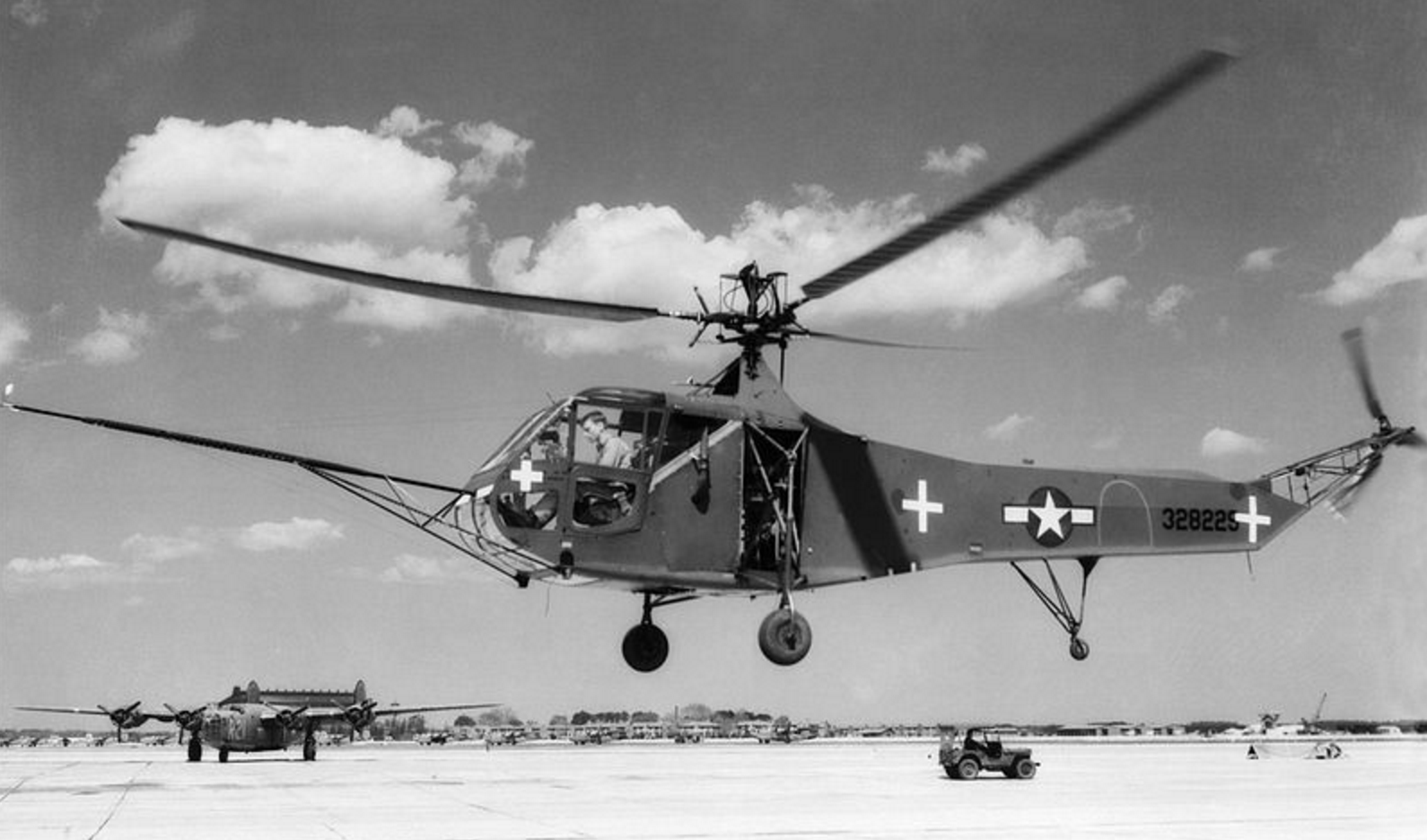
In the closing stages of World War II, Sikorsky introduced the R-4 to the US military in April 1944. It saw service in Burma and the South Pacific, marking the dawn of the military helicopter era. These early helicopters offered a new dimension to warfare, supplying a level of mobility and versatility not seen before.
The Korean War: Maturation and Widespread Adoption
The Korean War, occurring from 1950 to 1953, saw the further deployment of various helicopter types. As the conflict progressed, the military gained valuable experience in using helicopters in various roles, ranging from troop transport to medevac missions. This period represented an integral step in the maturation of helicopters in military operations.
Vietnam War: “The Helicopter War”
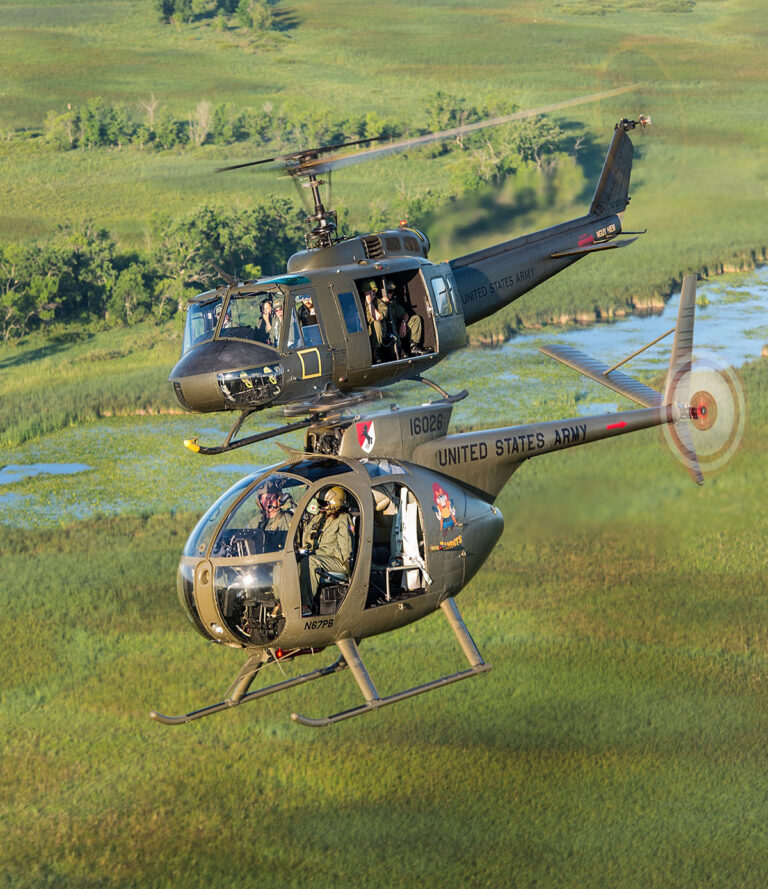
Often referred to as “The Helicopter War,” the Vietnam War spurred a significant transformation. As the conflict escalated, it necessitated the introduction of more specialized aircraft types. Among these were the heavy-lift transports, gunships, and attack helicopters. Most notably, the Bell UH-1 Iroquois, affectionately termed the “Huey,” emerged as the backbone of the US Military. Moreover, it undertook a multitude of roles, with casualty evacuation being one of its crucial functions.
Operation Desert Storm: Enhancing Aerial Mobility and Precision
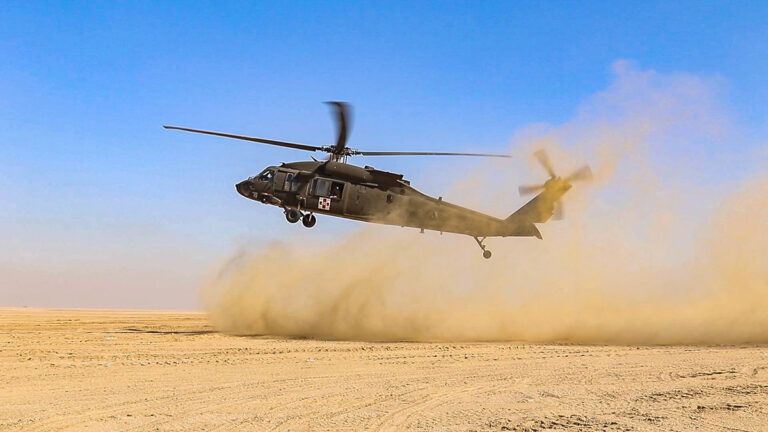
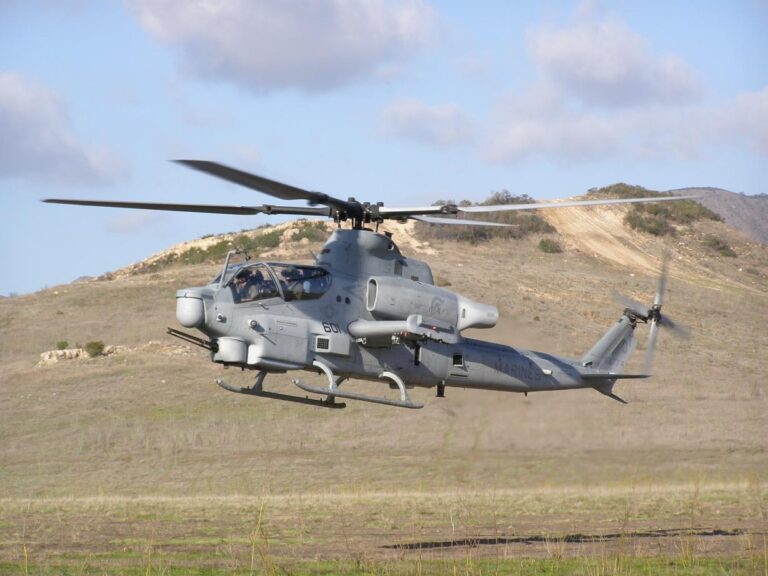
Operation Desert Storm in 1991 saw a significant rise in the deployment of military helicopters. One of the most widely used during this conflict was the Boeing AH-64 Apache. This attack helicopter was crucial in targeting Iraqi tanks, conducting deep strikes against enemy lines, and providing close air support for ground troops. Notably, Apaches launched the first air attack in the conflict by taking out radar sites. Other helicopters, such as the Sikorsky UH-60 Black Hawk and the Bell OH-58 Kiowa, also played vital roles in transport and reconnaissance respectively, proving the growing importance of helicopters in modern warfare.
The Iraq War and the War in Afghanistan: Helicopters in Asymmetric Warfare
The Iraq War in 2003 emphasized helicopters’ crucial role in asymmetric warfare. The ongoing conflict in Afghanistan since 2001 did the same. Helicopters like the Apache, Black Hawk, and Chinook saw heavy service. Their roles grew to include surveillance, targeted strike, and logistical support.
These helicopters were vital in urban warfare. Their ability to maneuver, hover, and vertically take-off and land was crucial. The use of advanced tech like infrared sensors and night-vision boosted their effectiveness. Precision-guided munitions were also introduced.
Today, these conflicts and the lessons learned continue to shape the development and deployment of military helicopters, underscoring their indispensable role in contemporary and future warfare.
Naval Helicopter Evolution
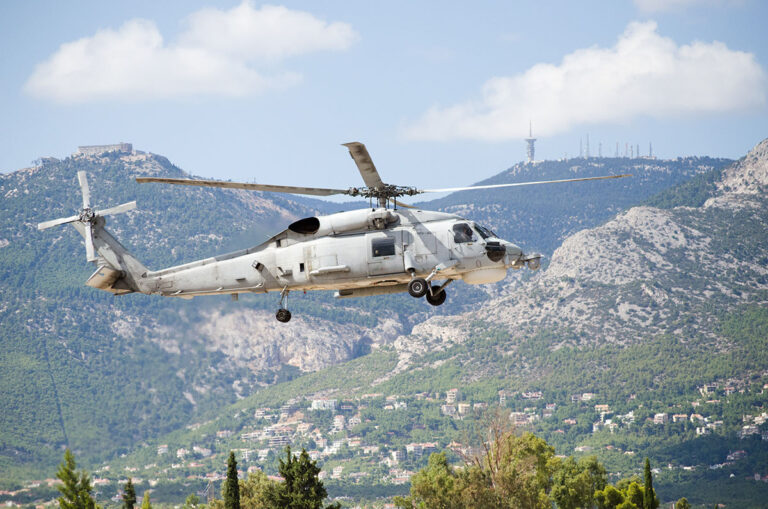
Initially, helicopters in naval service handled rescue and supply duties. Through experience, the Navy found their hover ability ideal for anti-submarine warfare. Today, helicopters are vital to modern amphibious assault forces. They serve in scouting, attack, transport, and search and rescue roles.
Modern Era: Helicopters at the Forefront
In recent conflicts, helicopter roles have greatly evolved. They now lead attacks and supply forces. These machines have a unique hover and land ability. This makes them vital in today’s global military strategies. Their evolution and sophistication keep growing. Thus, military helicopters will be air power cornerstones for years.