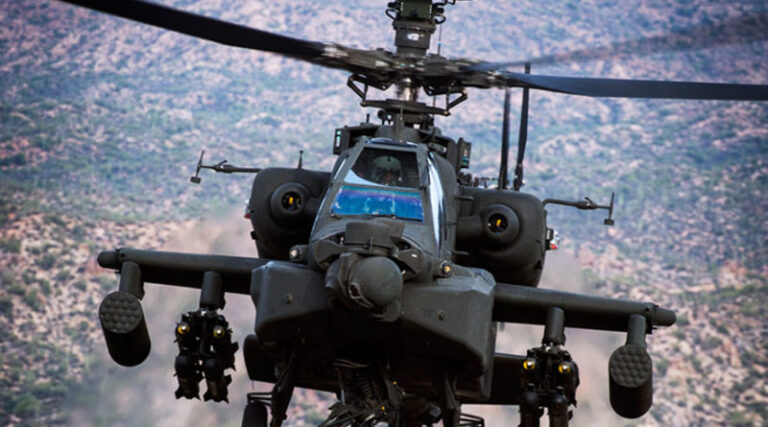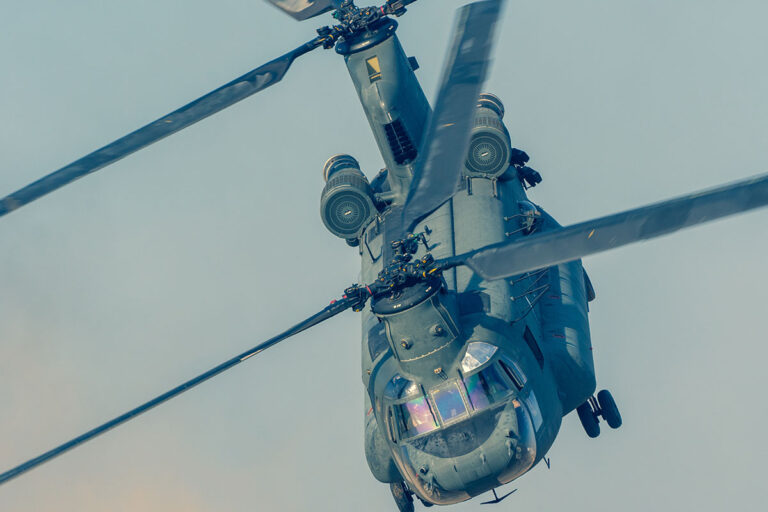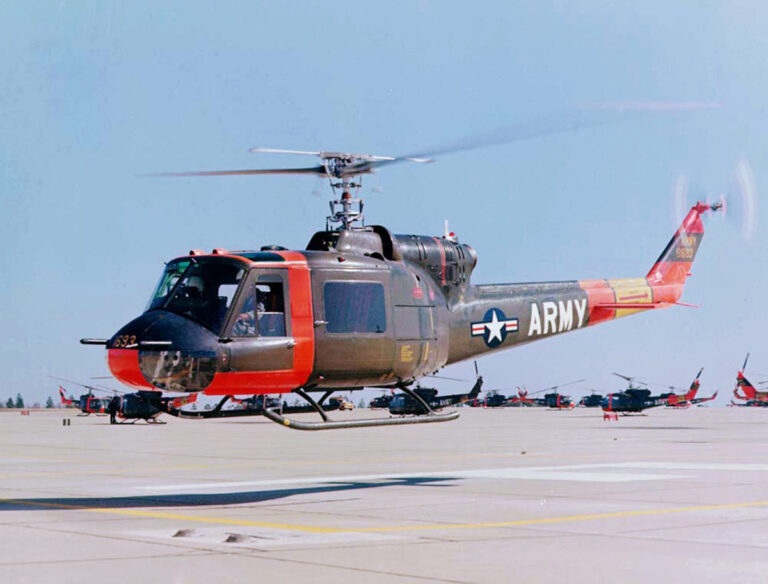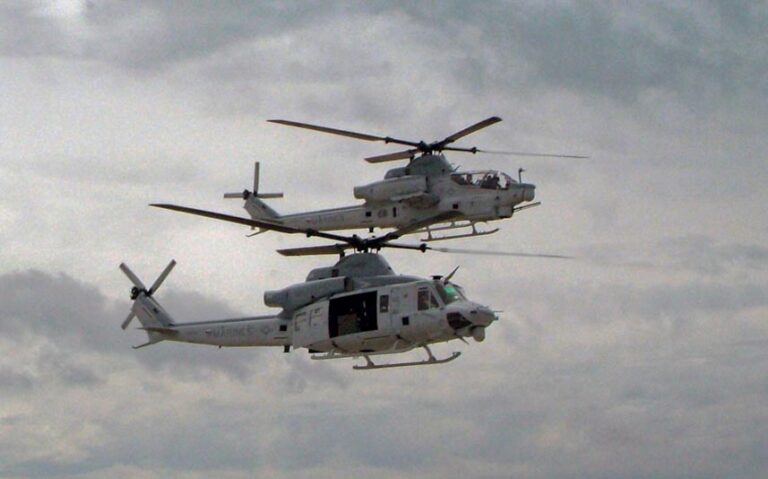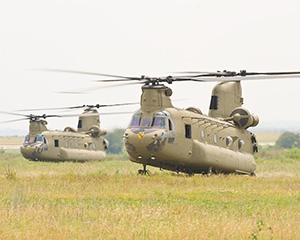
Boeing CH-47 Chinooks Taking Off

Top 10 Boeing CH-47 Chinook Helicopter Questions

The CH-47 Chinook is a highly capable and iconic military helicopter, so there are likely many common questions asked about it. Based on the search results provided, here are 10 of the most popular questions about the Chinook CH-47 helicopter:

  1. What are the key features and capabilities of the CH-47 Chinook?
    The Chinook is a heavy-lift, twin-engine, tandem-rotor helicopter known for its large cargo capacity, speed, and maneuverability. It can transport troops, artillery, equipment, and supplies. [1][2][3][4]
  2. What is the history and development of the CH-47 Chinook?
    The Chinook was developed in the late 1950s by Vertol Aircraft Corporation (later acquired by Boeing) to replace the Sikorsky CH-37 Mojave. It first flew in 1961 and entered service with the U.S. Army in 1962. [1][3][4]
  3. What are the different variants and upgrades of the CH-47 Chinook over the years? [1][3][4]
    The Chinook has undergone numerous upgrades and variants, including the CH-47A, B, C, D, and the current F-model, to improve its performance, avionics, and survivability.
  4. What are some of the notable missions and operations the CH-47 Chinook has been involved in?
    The Chinook has played a critical role in conflicts like the Vietnam War, as well as humanitarian relief efforts, medical evacuations, and aircraft recovery operations. [1][3][4]
  5. What are the Chinook’s top speed and lift capacity?
    The Chinook can travel at speeds up to 278 km/h (173 mph) and has a significant lift capacity, though the exact figures may vary by model. [2][3]
  6. What are the Chinook’s engine specifications?
    The Chinook is powered by a pair of Honeywell T55 turbine engines. [3]
  7. What are the dimensions and weight specifications of the CH-47 Chinook?
    The Chinook has dimensions of approximately 17.72 x 12.6 x 2.76 feet and a weight of around 38.2 oz. [5]
  8. What are some of the unique design features of the Chinook, such as its tandem rotor configuration?
    The Chinook’s distinctive tandem rotor design, with two large rotors rotating in opposite directions, allows it to achieve high lift and maneuverability without the need for a tail rotor. [2][3][4][5]
  9. What are the Chinook’s primary and secondary missions?
    In addition to its primary cargo transport role, the Chinook is also used for medical evacuation, search and rescue, parachute drops, disaster relief, and aircraft recovery.[3][4]
  10. What countries operate the CH-47 Chinook besides the United States?
    The Chinook is used by numerous militaries around the world, not just the U.S. Army.[4]

Citations:
[1] https://squadronnostalgia.com/shop/aircraft-models/helo-aircraft-model/ch-47-chinook/
[2] https://airmodels.net/592-ch-47-chinook
[3] https://aerospace.honeywell.com/us/en/about-us/blogs/33-things-you-probably-do-not-know-about-chinook-ch47
[4] https://www.chinook-helicopter.com
[5] https://militarybricks.com/store/aircraft/ch-47-chinook/

Similar Posts

  • | |

    The Oldest Helicopters Still in Service Today

    Discover the fascinating journey of the oldest helicopters still in service today, a testament to human ingenuity and technological advancement. This detailed exploration delves into the rich history of iconic helicopters like the Sikorsky UH-1 Iroquois (Huey) and Boeing CH-47 Chinook, highlighting their remarkable longevity and enduring roles in both military and civilian sectors. From their early conceptual designs to their modern adaptations, these helicopters have evolved through continuous upgrades in avionics, engines, and structural materials.

    Our comprehensive analysis includes insights from aviation experts, comparative tables of technical specifications, and a look at future prospects and modernization programs. Learn how these helicopters have remained operational for decades, the critical missions they support, and the innovations that keep them relevant. Whether you are an aviation enthusiast, a history buff, or a professional in the field, this article offers a wealth of knowledge and intriguing insights into the resilient world of rotary-wing aircraft. Dive into the enduring legacy of these airborne workhorses and appreciate the technological marvels that keep them flying high.

  • More CH-47 Chinook Helicopter History

    The Boeing CH-47 Chinook Helicopter has a storied history. Initially developed as an expansion of the Vertol Model 107, it was favored by the Army. Why? Because of its substantial carrying capacity. Its prototype took to the skies on September 21, 1961, and the Army welcomed the CH-47A Chinook in 1972.

    These large twin rotors, combined with a roomy fuselage and cutting-edge turboshaft engines, provided a level of airlift ability previously unseen. Furthermore, the design of the Chinook’s fuselage is primarily free from obstructions, housing the engine and gearbox in pylons and fuel in side pods.

  • The Future of Military Helicopters: A Historical and Contemporary Analysis

    Dive into the riveting journey of military helicopters, from their historic roots to cutting-edge advancements. This comprehensive overview shines a spotlight on the top 5 military helicopters of the last two decades, showcasing their unmatched capabilities. As we venture into a future marked by innovation, discover what lies on the horizon for these aerial titans.

  • Introduction to the Iconic Sikorsky UH-60 Black Hawk Helicopter

    The U.S. Army identified the need for a Utility Tactical Transport Aircraft System (UTTAS). They aimed at replacing the UH-1 Iroquois. For this purpose, the Sikorsky Model S-60 came into the picture. The first flight of the prototype took place on October 17, 1974. The Army intended to order 2,260 units of what became the UH-60 Black Hawk. However, budget limitations led to reducing the order down to 1,400 units. The first Black Hawk entered service in June 1979.

  • Eurocopter Tiger Helicopter Unveiled: Beyond the Battlefield

    Dive deep into the world of the Eurocopter Tiger Helicopter, a premier combat aircraft, renowned for its advanced capabilities and dynamic operational performance. This article unfolds the rich history and developmental journey of this cutting-edge helicopter, offering a detailed insight into its distinctive features and specifications. Users will appreciate learning about the various models and variants, as well as the diverse user nations leveraging the Tiger for their defense needs.
    The Eurocopter Tiger stands out for its economic impact and is pivotal in shaping aerial combat strategies, excelling in safety and reliability. Explore upcoming upgrades and future models that showcase the potential of this helicopter in evolving combat scenarios. Learn about its future developments and the significant role it is poised to play in next-generation warfare. Whether you’re an aviation enthusiast, a professional in the field, or simply curious, this comprehensive guide provides a wealth of information, engaging insights, and answers to frequently asked questions about the Eurocopter Tiger Helicopter. Don’t miss out on discovering how this remarkable aircraft is redefining the boundaries of aerial combat!

  • CH-46 Sea Knight Helicopter – Workhorse of the Navy

    The CH-46 Sea Knight Helicopter has been the workhorse of the Navy and Marine Corps medium-lift squadrons since it entered service in June 1964.  It was developed as the Vertol Model 107, which was also being designed for the civilian market, and was first flown on April 22, 1958.  An initial trial batch was ordered by the Army but this was redued when Vertol published drawings of the enlarged Model 114 which became the Chinook.  By 1960 Vertol had been absorbed into Boeing.