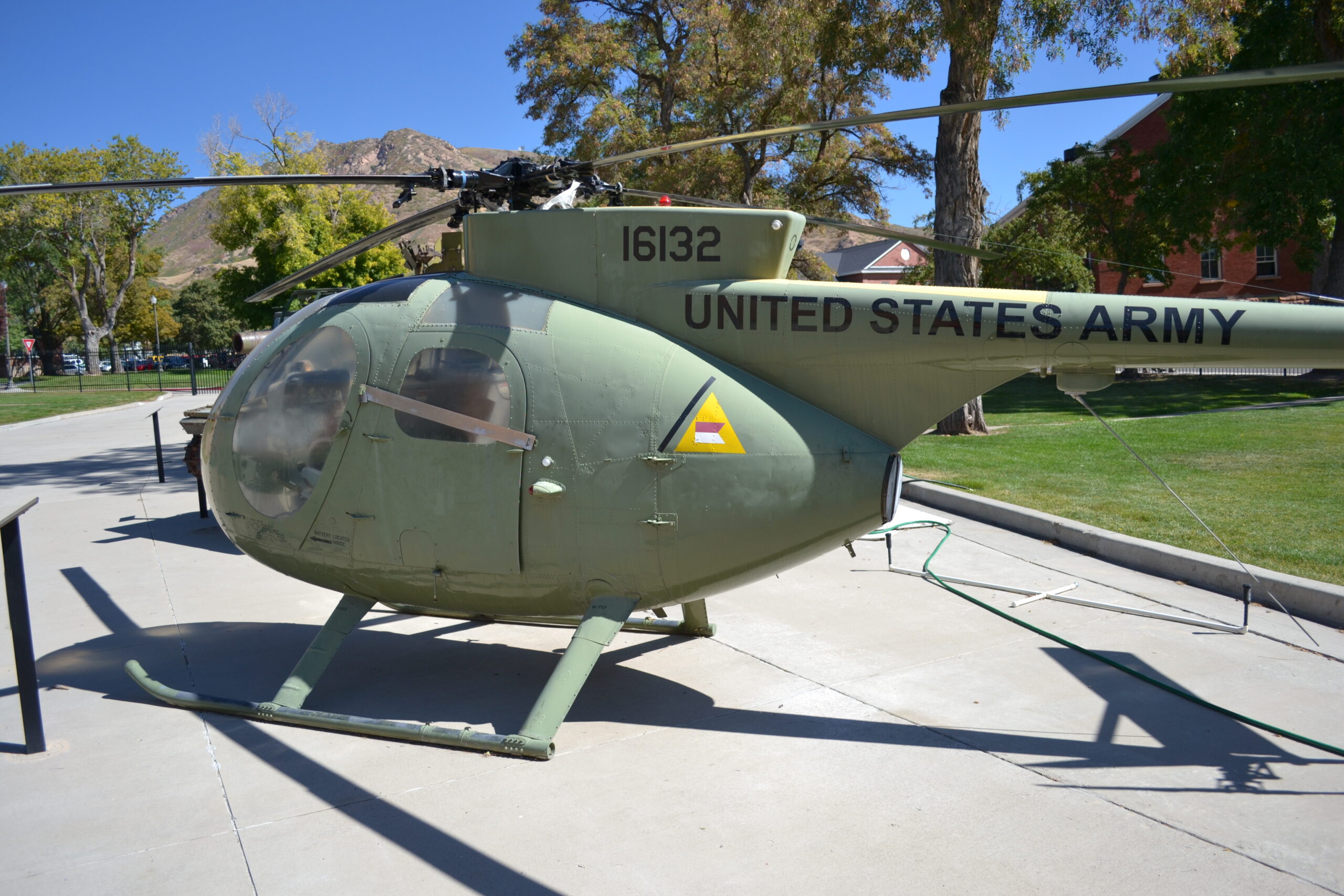
Hughes OH-6 Cayuse
|

What Are the Top 10 Helicopters Produced?

The top 10 helicopter manufacturers based on the search results are:

  1. Mil Mi-8 (17,000+ produced) [1]
  2. Bell UH-1 Iroquois (11,582+ produced) [1]
  3. Bell 206 JetRanger (8,460 produced) [1]
  4. Bell 47 (5,600 produced) [1]
  5. Mil Mi-2 (5,497 produced) [1]
  6. Robinson R44 (5,324+ produced) [1]
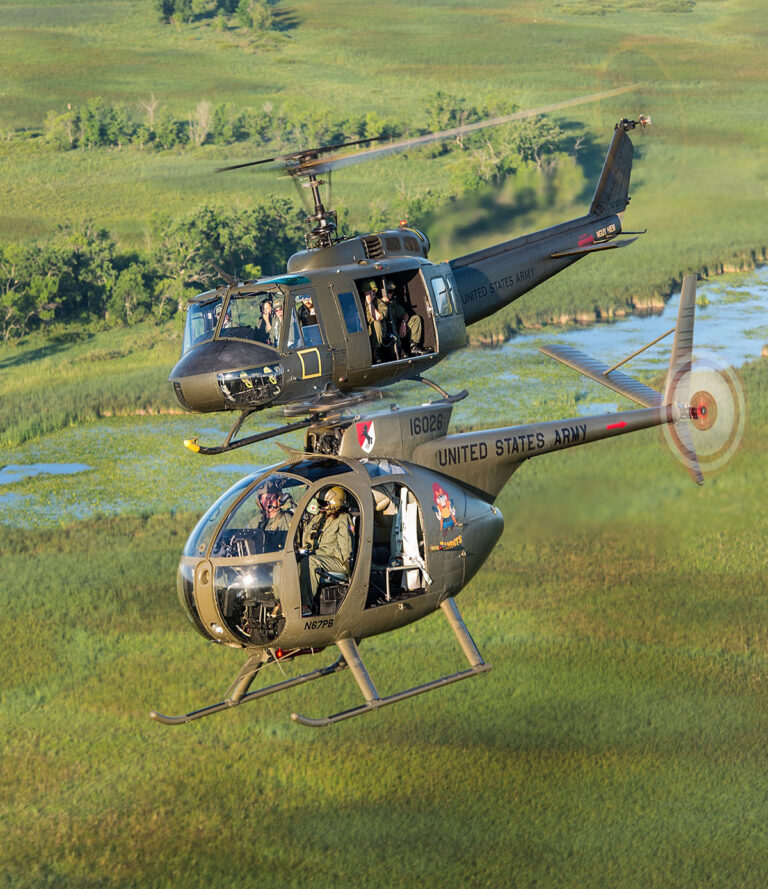
  7. Hughes OH-6 Cayuse (4,700 produced) [1]
  8. Robinson R22 (4,484+ produced) [1]
  9. Eurocopter AS350 Écureuil (4,105+ produced) [1]
  10. Sikorsky UH-60 Black Hawk (4,000+ produced) [1]

These are the top 10 most produced helicopter models in the world, according to the “World’s Most Produced Helicopters Infographic” cited in[1]. The key reasons for their high production numbers are:

  • They have been in production for decades, with some models like the Mil Mi-8 and Bell UH-1 Iroquois having been produced since the 1960s and 1950s respectively. This has allowed them to accumulate very high production volumes over time.
  • They have been widely adopted by militaries, governments, and commercial operators around the world due to their proven reliability, versatility, and cost-effectiveness. Models like the Black Hawk, Iroquois, and JetRanger have become ubiquitous in their respective roles.
  • Some manufacturers like Mil, Bell, and Robinson have been able to maintain high production rates and market share over the decades through continuous improvements and new variants of their popular models. [1][2][3]

Citations:
[1] https://winair.ca/blog/worlds-most-produced-helicopters-infographic/
[2] http://www.helistart.com/helicopter-top-10-lists.aspx
[3] https://generalaviationnews.com/2023/03/16/top-10-best-selling-rotorcraft-in-2022/
[4] https://en.wikipedia.org/wiki/Helicopter_manufacturer
[5] https://www.businesswire.com/news/home/20231221826025/en/Worlds-Top-5-Military-Helicopter-Rotorcraft-Manufacturers-Annual-Strategy-Report—Airbus-Helicopters-Bell-Boeing-Leonardo-and-Sikorsky—ResearchAndMarkets.com

Similar Posts

  • |

    The Harvester Helicopter: Changing in Modern Agriculture

    In the realm of modern agriculture, few innovations have captured attention quite like the harvester helicopter. Beyond the unmistakable hum of its rotors and its aerial prowess, this marvel represents the synergy of aviation and farming. Navigating through challenging terrains, ensuring peak crop harvesting, and championing sustainable practices, the harvester helicopter is redefining agricultural benchmarks. With its blend of speed, efficiency, and reduced environmental impact, it’s emerging as a frontrunner in the push towards a greener, more productive future. Dive into our comprehensive exploration to understand how this aerial giant is setting the stage for the next era of farming. Whether you’re an agriculturist, tech enthusiast, or simply curious, this article promises insights that will make you look at the skies, and the fields below, in a whole new light.

  • The History of Military Helicopters

    From the pioneering designs of Igor Sikorsky to the fearsome Apache attack helicopter, the evolution of military helicopters reflects a tale of innovation and strategic mastery. Serving as both formidable combatants and vital transporters, these flying marvels have shaped the course of modern warfare. Explore the transformative journey of military helicopters, from their nascent stages during World War II to their current indispensable role in global defense.

  • Medevac Helicopters in the Medical Field

    Helicopters, synonymous with adaptability and speed, have cemented their role in various sectors, both military and civilian. One of their paramount contributions remains medevac, or medical evacuation, a service that has transformed emergency medical responses. This airborne ambulance’s ability to arrive faster, more safely, and smoother than ground-based ambulances has made it a game-changer in life-saving missions.

  • Medevac Helicopters in the Vietnam War

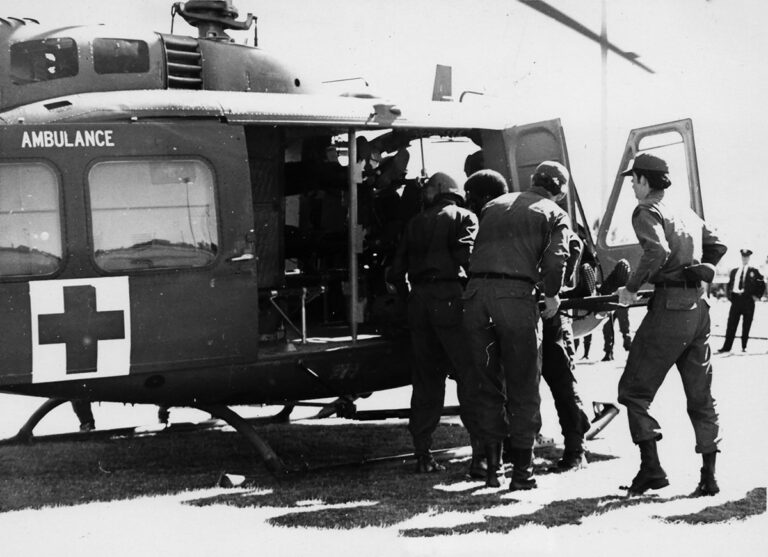
    In April 1962, the 57th Medical Detachment brought their 5 Bell UH-1 helicopters with them to offer medevac to troops on the ground. The “Huey” proved invaluable as an air asset and soon gained almost legendary status. The first medevac in Vietnam was on the 12th of May 1962 when an ARVN advisor was injured in action. After that evacuation, the helicopters were in almost constant use. The term “Dust off” was first used in Vietnam to signify the dust the helicopter threw up when arriving to medevac casualties. It is a moniker that stuck.

  • Korean War and the Medevac Helicopter

    The development of helicopters during and after the Second World War proved the value and utility of rotary wing aircraft in combat situations. So much so that the Army, Navy and Air Force all set up their own helicopter development units.

    This enabled a shift in how critical care was delivered in combat. During previous conflicts, medical stations had to be as close to the front line as possible to shorten the path to care. This led to obvious risks and compromises in both treatment and conditions.  The advent of medevac helicopter meant that field hospitals could be set up in central locations and have patients delivered to them. That meant better care, better conditions and the ability to recover after operations before being evacuated. That alone saved hundreds of lives.

  • The Future of Military Helicopters: A Historical and Contemporary Analysis

    Dive into the riveting journey of military helicopters, from their historic roots to cutting-edge advancements. This comprehensive overview shines a spotlight on the top 5 military helicopters of the last two decades, showcasing their unmatched capabilities. As we venture into a future marked by innovation, discover what lies on the horizon for these aerial titans.