Top 11 Questions about the Apache Attack Helicopter
- What are the key capabilities and features of the Apache attack helicopter?
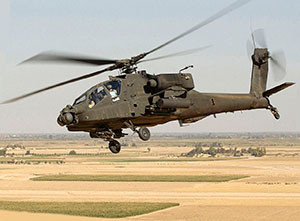
The Apache is considered the most advanced attack helicopter in the world, with capabilities including laser-guided Hellfire missiles, a 30mm automatic cannon, 2.75-inch rockets, integrated helmet and display sighting system, and advanced aircraft survivability equipment.[1][2] - What is the procurement history and current status of the Apache program?
The Apache program began in 1973, with production starting in 1982. The Army plans to procure 807 Apaches, with 741 under contract and about 600 delivered as of 1990.[1] - What are some of the logistical and maintenance challenges faced with the Apache?
The Apache has experienced low availability rates in the field due to logistical support and reliability issues. Maintainers have reported problems with the fault detection and location system.[1][4] - How have Apaches been used in combat operations?
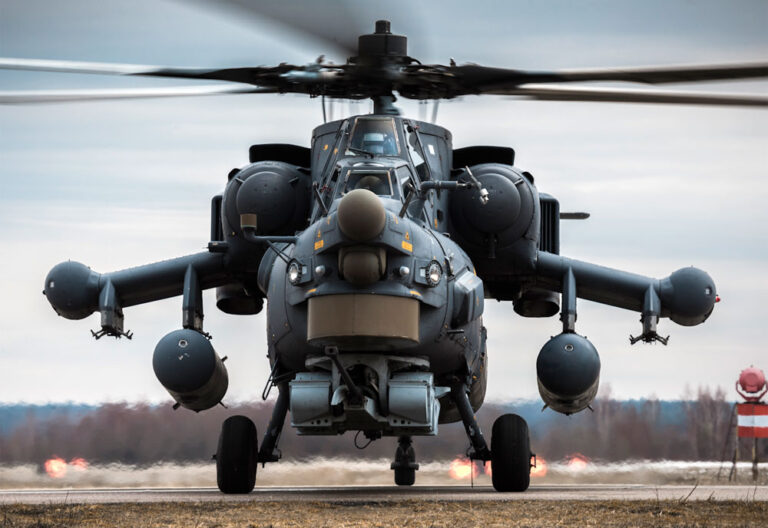
Apache helicopters have been deployed in conflicts such as the Gulf War, Afghanistan, Iraq, Libya, and the Democratic Republic of the Congo, providing air support and engaging ground targets. However, some missions have faced challenges due to coordination and logistical issues.[2] - How does the Apache compare to the Russian Mi-35 attack helicopter?
The Apache and Mi-35 are both advanced attack helicopters, with differences in armaments, payload capacity, and other capabilities. The Apache is considered the more sophisticated and capable platform.[3] - What are the key upgrades and variants of the Apache?
The latest variant is the AH-64E, which incorporates improvements in thrust, digital operability, survivability, and other capabilities compared to earlier models.[1][5] - What are some of the safety and reliability issues that have affected the Apache fleet?
Recent reports indicate an increase in electrical power generator failures on AH-64E Apaches, causing potentially hazardous flight conditions for pilots.[5] - How does Apache maintenance and training differ from other helicopter platforms?
Maintainers have reported issues with the lack of real-world maintenance experience in Apache training programs, which can impact their ability to effectively troubleshoot and repair the aircraft.[4] - What role do Apaches play in joint operations with other air and ground forces?
Apaches have been used in coordination with fixed-wing aircraft, artillery, and ground forces to conduct “deep attack” missions, though the effectiveness of this approach has been debated.[2] - How widely has the Apache been exported and adopted by international militaries?
The Apache is used by a growing number of foreign militaries, including India, which recently purchased AH-64E models. The Mi-35 is also operated by several countries, particularly in Africa and South America.[2][3] - What is the maximum speed of the Apache Attack Helicopter?
According to the search results, the maximum speed of the Apache attack helicopter is:
182 mph (293 km/h).[6][7][8]
The key details are:
- The AH-64A Apache’s maximum speed was 172 mph (276 kph).[7]
- The latest AH-64E variant has a maximum speed of 188.7 mph (303 kph).[7]
- The Apache’s cruising speed is 165 mph (265 kph).[7]
- The maximum ferry range (unarmed, with extra fuel tanks) is 1,178 miles (1,896 km).[7]
So in summary, the Apache attack helicopter has a maximum speed of 182 mph (293 km/h), with the latest AH-64E model reaching up to 188.7 mph (303 kph).[1][7][8]
Citations:
[6] https://simpleflying.com/boeing-ah-64-apache-fun-facts-list/
[7] https://ig.space/commslink/the-ah-64-apache-the-deadliest-us-attack-helicopter/
[8] https://owlcation.com/stem/Fastest-Attack-Helicopters-in-the-World
Citations:
[1] https://www.gao.gov/assets/nsiad-90-294.pdf
[2] https://en.wikipedia.org/wiki/Attack_helicopter
[3] https://www.ssbcrack.com/2022/07/apache-ah-64-attack-helicopter-vs-mi-35-attack-helicopter.html
[4] https://apps.dtic.mil/sti/pdfs/ADA318371.pdf
[5] https://breakingdefense.com/2023/09/potentially-hazardous-ah-64e-apache-generator-failures-causing-breathing-and-visibility-issues/
[6] https://simpleflying.com/boeing-ah-64-apache-fun-facts-list/
[7] https://ig.space/commslink/the-ah-64-apache-the-deadliest-us-attack-helicopter/
[8] https://owlcation.com/stem/Fastest-Attack-Helicopters-in-the-World