A New Huey Helicopter for the Yanks Air Museum
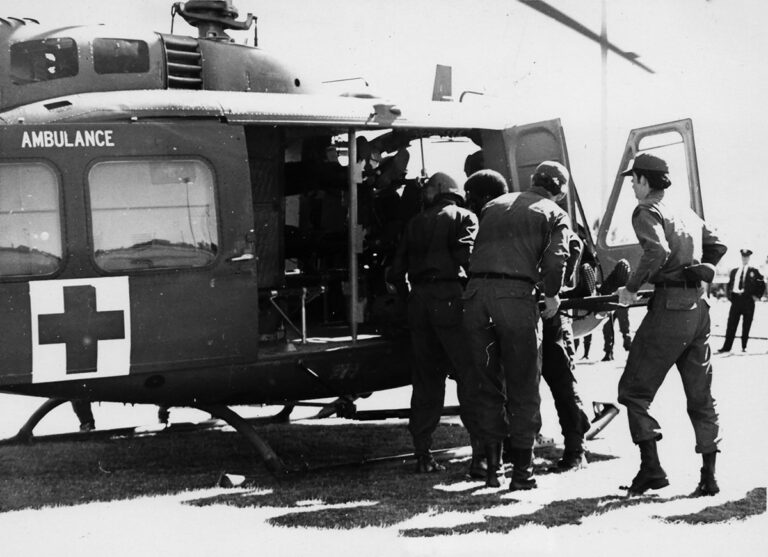
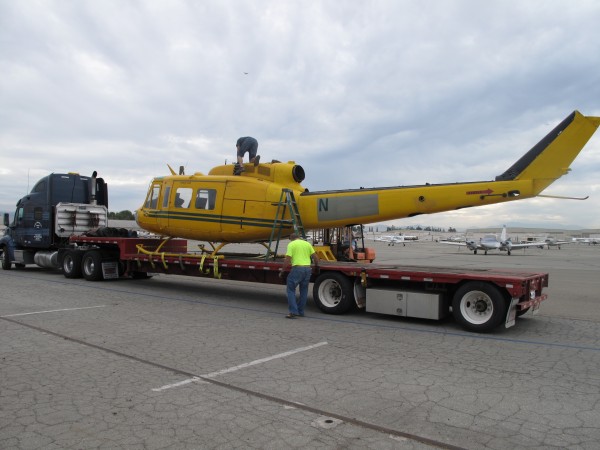
After many years of searching for a UH-1H Huey Helicopter to add to the Yanks Air’s collection, on August 31, 2013 the museum has received its first model. Yanks received this aircraft through the US Forestry Service. The museum will display the Huey as the entrance into the Vietnam era. The Huey is one of the most extraordinary aircraft of our time. Officially the UH-1 series is the Iroquois. Even though the UH-1 was unofficially called the Huey, the AH-1 attack helicopter was officially named the Huey Cobra.
The Sikorsky Aircraft Centennial: A Tribute by the Igor I. Sikorsky Historical Archives
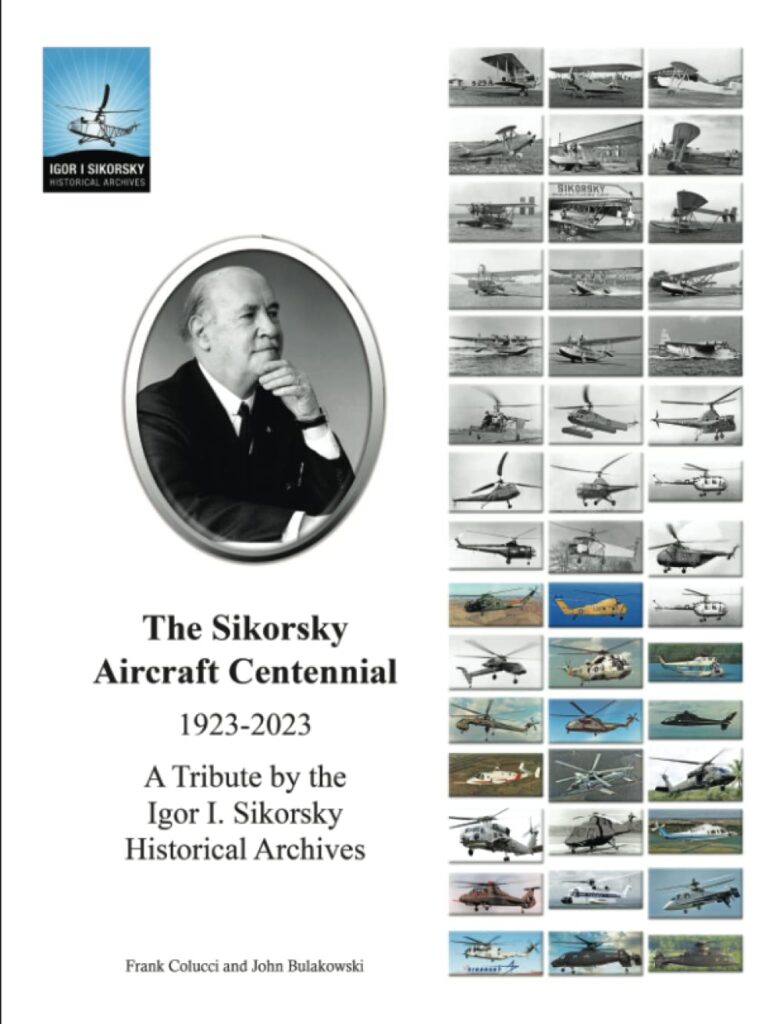
Igor Sikorsky was a pioneering Russian engineer and aviator driven from his home by revolution. The Sikorsky Aircraft Centennial 1923-2023, a Tribute by the Igor I. Sikorsky Historical Archives, documents his work in the United States and that of the pioneering American company that he founded. Ittraces the growth of Sikorsky Aircraft from a struggling fixed-wing aviation concern started on a Long Island farm to a world-leading helicopter manufacturer today headquartered in Connecticut. The book draws on archival documents, photos, and interviews to trace Sikorsky’s early contributions to commercial aviation and the revolution he brought about in vertical flight.
History of the Huey Helicopter
The Huey helicopter story traces back some four decades. In 1955, with an interest in a utility helicopter designed around a turboshaft engine, the US Army had the US Air Force develop a new helicopter for its use. At that time the US Army did not have its own aircraft development capability. The Bell Model 204 was powered by a new Lycoming T-53 engine with 850 shaft horsepower. The Model 204 featured the iconic Bell two-blade teetering rotor.
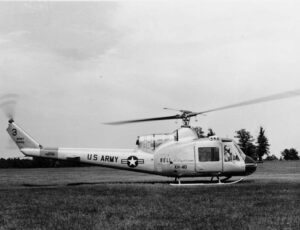
The Bell Huey was the first mass-produced helicopter powered by a jet turbine. With its distinctive “whomp-whomp” sound that could be heard miles away. The UH/AH-1 aircraft has totaled more than 27 million flight hours since Oct. 20, 1956 when the “granddaddy” of all H-1′s, the XH-40, made its first flight. More than 16,000 H-1 helicopters were produced by Bell and its licensees. This makes it one of most successful military aircraft in aviation history.
Yank’s Museum Huey Helicopter Story
The Yank’s Huey is complete with engines and at the moment it is located in the museum’s restoration department. The museum is looking for historic items, photos or other Huey related items to create a dedicated exhibit.
“As we collect the stories and oral histories of America’s veterans, there is no more memorable or overwhelming feeling for many than the rhythmic echoing sound of the incoming Huey. “Often Yanks’ allows veterans to sit in the type aircraft they piloted, they remember the controls, the feel, the smell, the camaraderie and often they remember…the battle. Whether they were drawing fire from the enemy or loading a wounded soldier, we repeatedly see the tears fill their eyes as they are overcome with the recollections of their past. The Huey was their link to reality. It was “the sound of our boys returning home”, states Yanks Director, Christen Wright.
The museum will display the Huey as the entrance into the Vietnam era section. The future paint scheme is the 335 Assault Helicopter company. It is an olive drab body with the Cowboys nose art. The museum is still working with the military to acquire the history of the aircraft.
Yank’s Air Museum Huey will be available to the publick on November 16th. Yanks Air Museum will have host 15 of the “Cowboys”to speak about this mighty helicopter and their war experience.
Published with permission from Warbirdsnews.com