Huey Helicopters Importance during Vietnam War

Vietnam Becomes the Helicopter War

Originally posted on USMilitaryHelicopters.org.

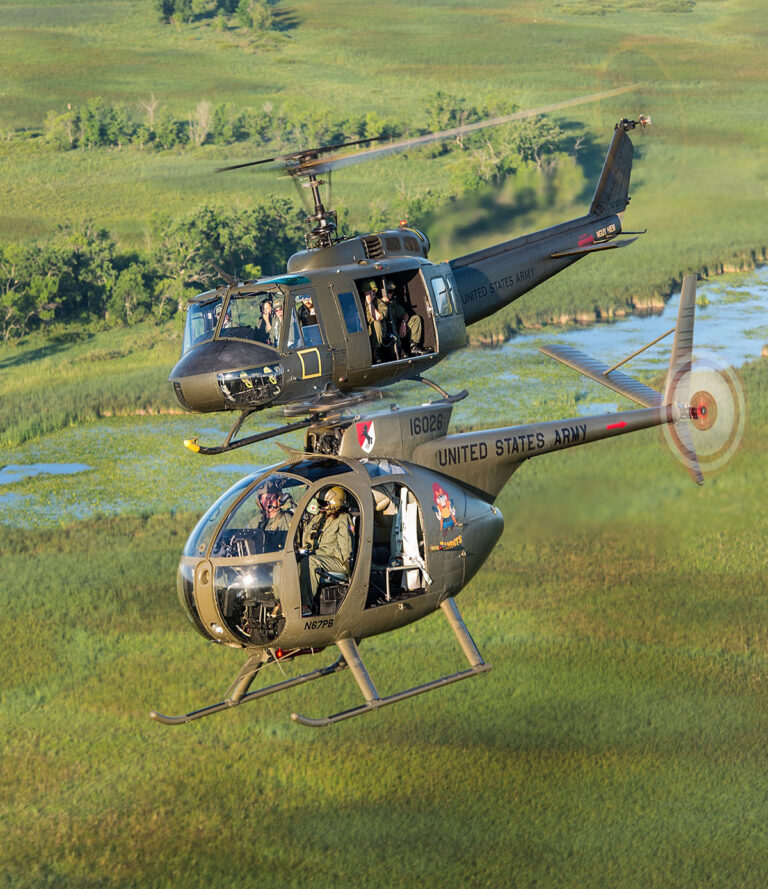
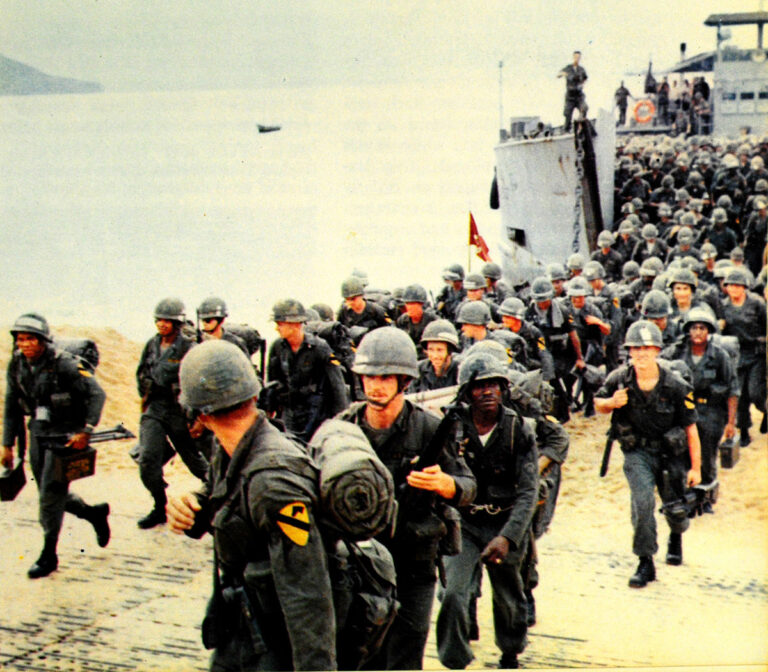
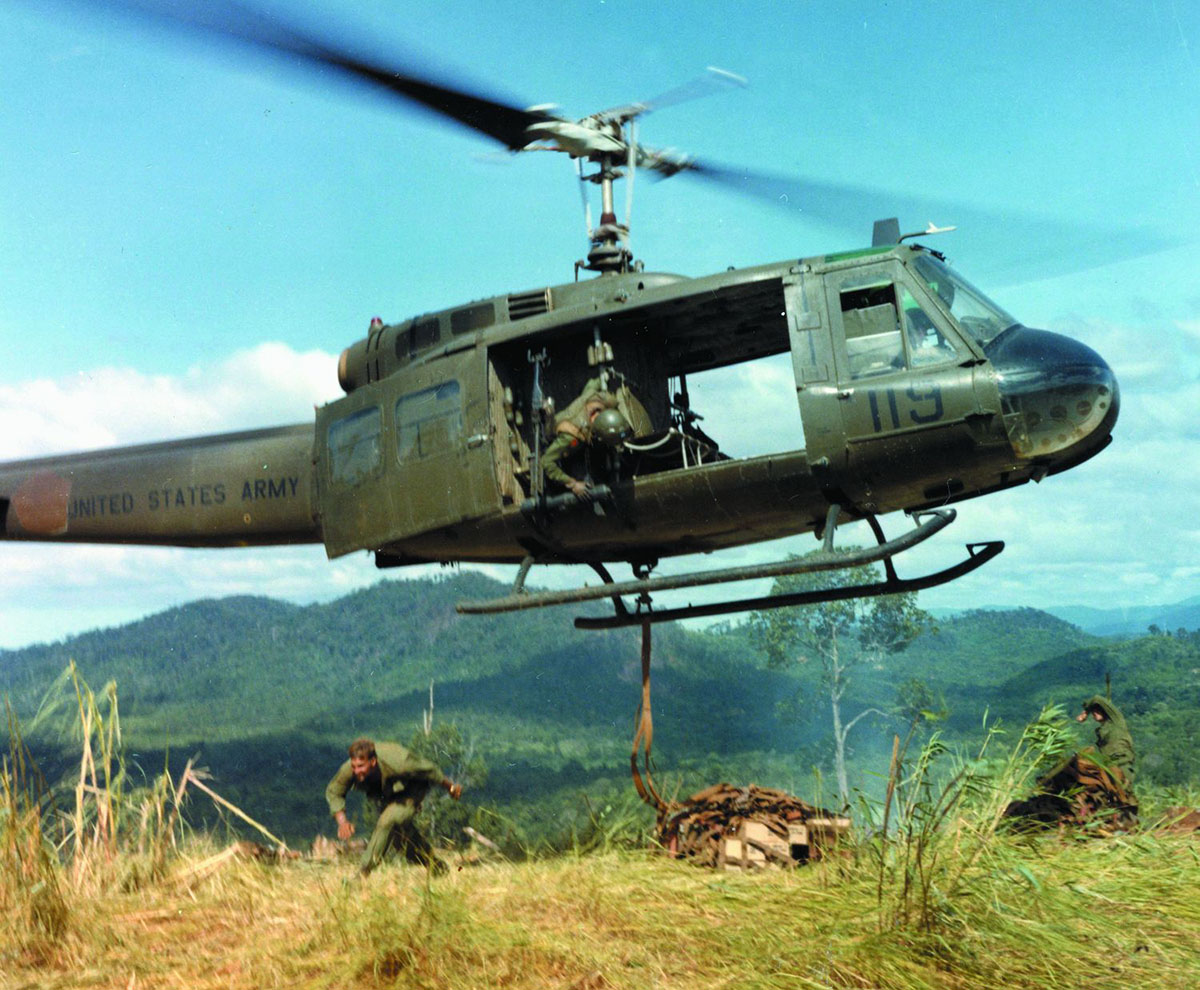
In 1968, US Troops numbered over 535,000 and the Huey Helicopter was a familiar sight.  The helicopter proved its worth in the early months of 1968 when the Tet Offensive started in Vietnam Cities.  During the offensive, armed UH-1 gunships would fly on the flanks of the combat zone while UH-1 slicks delivered troops into a landing zone.  If the LZ was under fire from Viet Cong positions, the gunships would try to keep the Viet Cong under cover.  It was during this time that the AH-1G HueyCobra was introduced to the battlefield.

During the Tet Offensive, the US Embassy in Saigon was attacked by a squad of 15 Viet Cong.  During the attack, a Huey helicopter rescued Embassy staff from the roof.  During the attack of the US Embassy, ground forces engaged in a ground battle with tanks and mortars while Army Hueys provided air cover.  The Vietcong also managed to reach the US Commander Headquarters.  Thankfully, UH-1 gunships from the 120th Assault Helicopter Company unleashed gun and rocket fire on the VC assailants stopping the attack.

The Other Vietnam War: A Helicopter Pilot’s Life in Vietnam
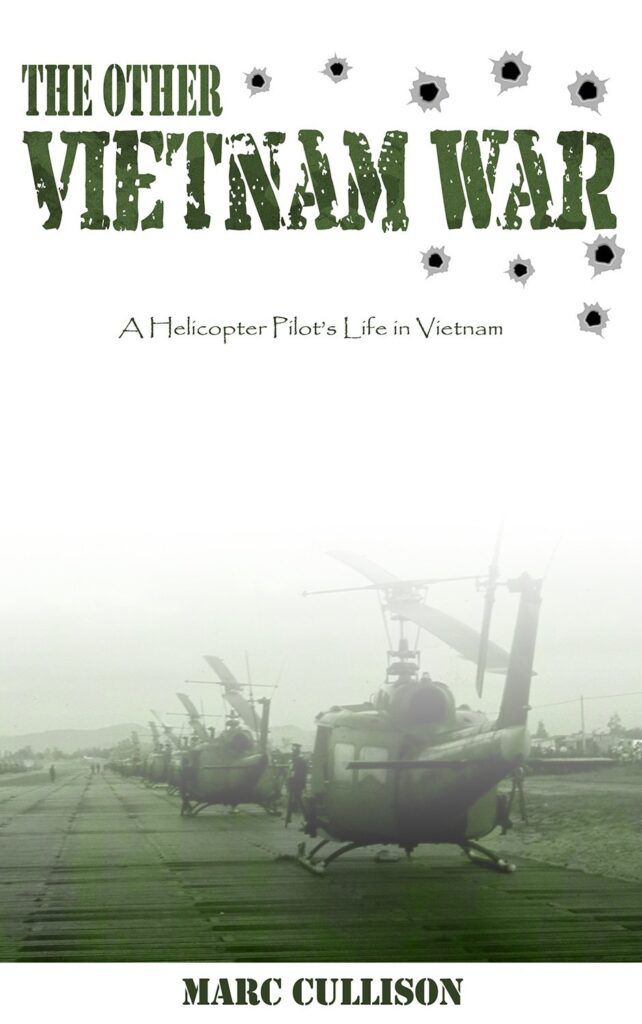
Each of us who served in Vietnam was the guy next door, the average Joe, not a hero. The boy who might date your daughter or sister. The young man who might mow your yard. In Vietnam, we weren’t out to be heroes. We just did our jobs.

For a helicopter pilot, each day was like all the others. You flew the mission and never stopped to think that it might be your last. You didn’t think about the bullet holes in the helicopter, the cracks in the tail boom, or about any of it until night, lying in bed when you couldn’t think of anything else.

Before, during, and after the Tet Offensive, the ability of the Huey to deposit or extract soldiers into or from battle remained a key American weapon, on which the Viet Cong and North Vietnamese could never counter effectively.  The helicopters were flown by a group of individuals knew what they were doing was extremely dangerous.  The Hueys were vulnerable and few pilots and crew never worried about the dangers of constantly being shot at. 

The biggest threat to the helicopters was small arms fire.  Even though the Huey seemed to be fairly resistant to the actual small arms fire, the small arms fire could penetrate the cockpit.  Pilots and crew had very little protection and the infantrymen in the rear resorted to sitting on their helmets for protection.

By the end of 1969, the H-13, H-23 and H-34 helicopters had been pulled from the battlefield.  It was difficult to find a utility-sized helicopter anywhere in Vietnam that wasn’t a Huey.  The UH-1 had transformed the Vietnam into “the Helicopter War”.

Similar Posts

  • The History of Military Helicopters

    From the pioneering designs of Igor Sikorsky to the fearsome Apache attack helicopter, the evolution of military helicopters reflects a tale of innovation and strategic mastery. Serving as both formidable combatants and vital transporters, these flying marvels have shaped the course of modern warfare. Explore the transformative journey of military helicopters, from their nascent stages during World War II to their current indispensable role in global defense.

  • | |

    The Oldest Helicopters Still in Service Today

    Discover the fascinating journey of the oldest helicopters still in service today, a testament to human ingenuity and technological advancement. This detailed exploration delves into the rich history of iconic helicopters like the Sikorsky UH-1 Iroquois (Huey) and Boeing CH-47 Chinook, highlighting their remarkable longevity and enduring roles in both military and civilian sectors. From their early conceptual designs to their modern adaptations, these helicopters have evolved through continuous upgrades in avionics, engines, and structural materials.

    Our comprehensive analysis includes insights from aviation experts, comparative tables of technical specifications, and a look at future prospects and modernization programs. Learn how these helicopters have remained operational for decades, the critical missions they support, and the innovations that keep them relevant. Whether you are an aviation enthusiast, a history buff, or a professional in the field, this article offers a wealth of knowledge and intriguing insights into the resilient world of rotary-wing aircraft. Dive into the enduring legacy of these airborne workhorses and appreciate the technological marvels that keep them flying high.

  • |

    Hueys in Vietnam: The Ascendancy of Air Cavalry

    The Vietnam War era was marked by countless innovations, but none stood out quite like the Bell UH-1 “Huey” helicopter. As the backbone of the 1st Cavalry Division (Airmobile) and other military branches, the Huey shifted military tactics from traditional ground movements to agile aerial operations. Beyond its tactical agility, it came armed with formidable firepower, redefining aerial warfare. This article delves into the Huey’s meteoric rise, its game-changing presence in battles like Ia Drang Valley, and its global military adoption, painting a vivid picture of a machine that changed the course of history.

  • Medevac Helicopters in the Middle East

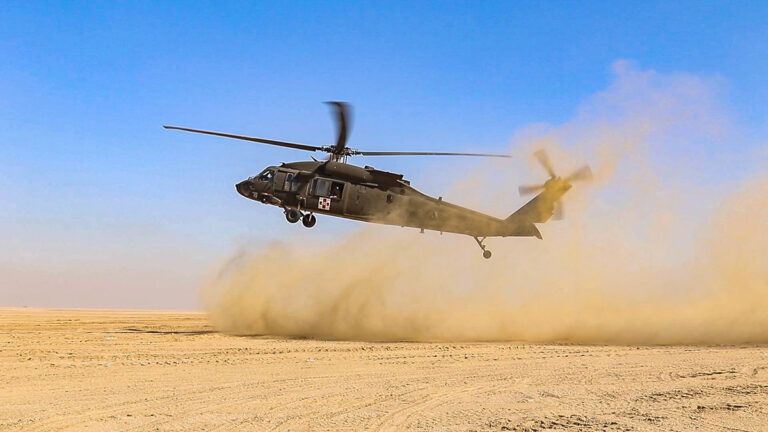
    Helicopters have proven themselves time and again in every scenario they have been exposed to. One of the areas they have particular excelled at is medevac and casevac.  Helicopters can and will go where other aircraft cannot and where ambulances can’t reach to rescue the wounded. They provide fast, smooth transportation of casualties to field hospitals many miles from the front lines and offer the ability to begin critical care as soon as they enter the airframe.

    During the two Iraq wars and while in Afghanistan, helicopters have continued their service to troops on the front lines. Soldiers and commanders depend on them, they regard them as essential and combat operations are not planned unless medevac choppers are available if needed. Such is the importance place on them in modern warfare.