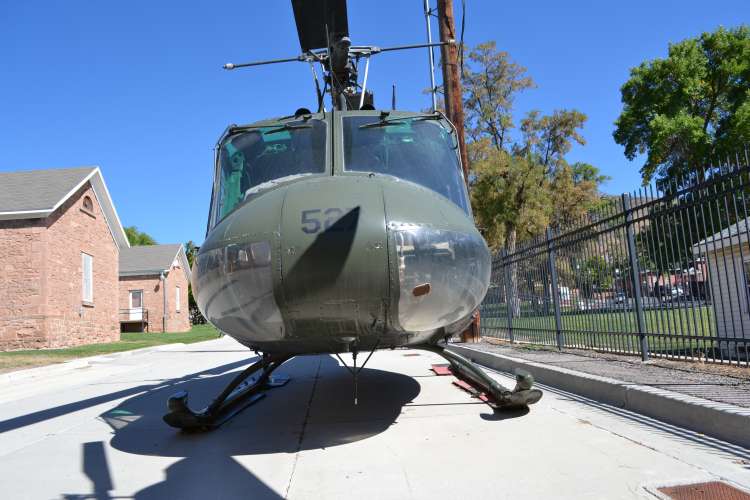
Bell UH-1 Huey Helicopter

Top 10 Bell Huey Helicopter Questions

1. What makes the Huey Helicopter so popular and how long can it remain in service? The Huey is popular due to its easy-to-fly design, ruggedness, reliability, versatility, and relatively low maintenance requirements. It is expected to remain in service for at least another 30 years as long as it is properly maintained and upgraded with new components.[3]

2. Why is the Huey still used by poorer countries for their military, SAR, and government transport? The Huey is relatively inexpensive compared to newer helicopters, with many surplus models available on the civilian market. Its simple design and widespread parts availability make it affordable to operate and maintain, even for less wealthy nations.[3]

3. What are the main roles of the Huey in the U.S. Marine Corps? The Huey primarily serves as a transport helicopter, carrying troops and cargo. Some Hueys have been equipped with rocket and grenade launchers for limited attack missions, but its main role is troop transport rather than direct combat.[4]

4. How available are Hueys for new pilots after flight school? Hueys are still in high demand, with many young pilots seeking to fly them, similar to the popularity of aircraft like the C-130 and F-35. However, availability can vary based on the needs of the service.[4]

5. What are the typical flight hours for Huey pilots? Flight hours for Huey pilots are not specifically mentioned, but the aircraft’s longevity and widespread use suggest pilots likely have ample opportunity to accumulate flight time on the platform.[4]

6. What is the favorite part about flying the Huey for pilots? Pilots describe the Huey as a special aircraft, with one stating “there is no greater feeling, honor, or thrill than to be blessed with the opportunity to ride her thru the sky.” The Huey’s iconic status and connection to aviation history make it a beloved platform for those who have flown it.[5]

7. How has the Huey evolved over the decades? The Huey has undergone significant upgrades, including the addition of a second engine, a 4-bladed rotor, increased speed and ceiling, and higher gross weight capacity. These modifications have allowed the Huey to remain relevant and capable despite its age.[3]

8. Why is the Huey sometimes called the “DC-3 of helicopters”? Like the legendary DC-3 aircraft, the Huey is renowned for its ruggedness, reliability, and longevity. It has become an iconic symbol of military aviation, much like the DC-3 did for fixed-wing transport.[5]

9. How many Hueys were used in the Vietnam War, and how many were lost? During the Vietnam War, a total of 7,013 Hueys were used, with 3,305 of them being destroyed. This resulted in the deaths of over 2,700 pilots, crew members, and passengers.[1]

10. What is the significance of the Huey’s distinctive sound? The rhythmic “whoomp, whoomp, whoomp” of the Huey’s rotor blades is instantly recognizable and has become an iconic part of the helicopter’s identity. For American troops in Vietnam, the sound signaled the promise of rescue and transport to safety, while for their enemies, it was a foreboding and ominous sound.[1]

Citations:

[1] https://www.sapiens.org/culture/the-sound-and-fury-of-the-huey-helicopter/
[2] https://www.secretprojects.co.uk/threads/bell-model-204-xh-40-uh-1-iroquois-competitors-projects-and-modifications.575/page-2
[3] https://www.reddit.com/r/Helicopters/comments/15pvw9i/what_makes_the_bell_uh1_huey_still_so_popular_and/
[4] https://www.airwarriors.com/community/threads/the-all-mighty-huey.49052/
[5] https://cherrieswriter.com/2018/12/03/the-huey-guest-post/

Similar Posts

  • |

    Indonesia to buy Boeing’s F-15 jets, Lockheed’s Black Hawk helicopters

    MELBOURNE, Australia — Indonesia has committed to buying Boeing-made F-15 Eagle fighter jets and Sikorsky-made Black hawk helicopters. Air Vice Marshal Yusuf Jauhari, who leads the Defense Facilities Agency within Indonesia’s Defense Ministry, and Mark Sears, who serves as Boeing’s vice president and program manager for fighters, signed a memorandum of understanding on Aug. 21…

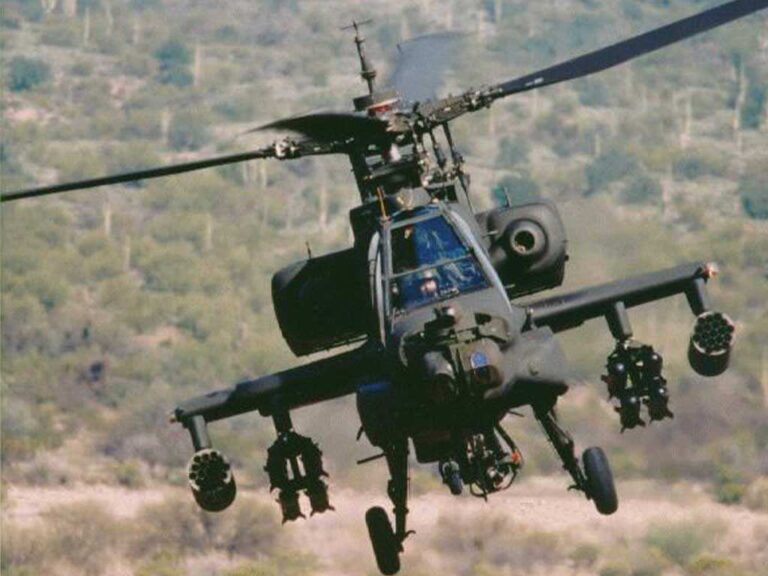
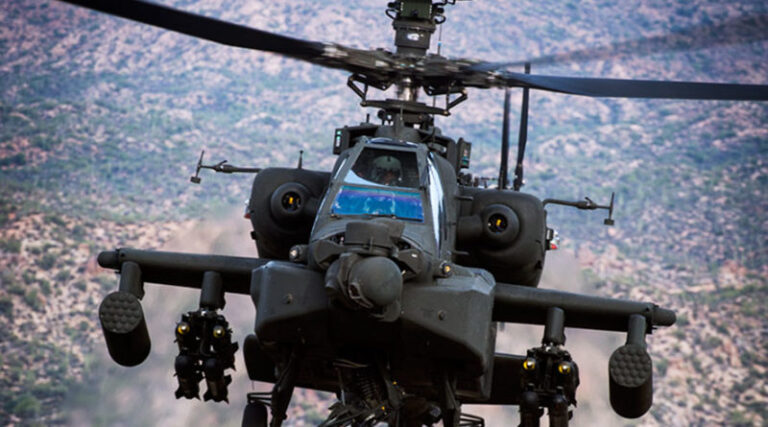
  • History of the AH-64 Apache Assault Helicopter

    The AH-64 Apache Helicopter was originally designed by Hughes in the 1970s to meet an Army requirement for an advanced attack helicopter.  Production was not authorized until 1982.  The first Apache helicopter deployed in 1986.  The AH-64A became the Army’s primary attack helicopter and a total of 824 were put into Army service.

    The Apache helicopter can react quickly to engage in close combat to destroy, disrupt or hold up enemy forces.

  • |

    Hueys in Vietnam: The Ascendancy of Air Cavalry

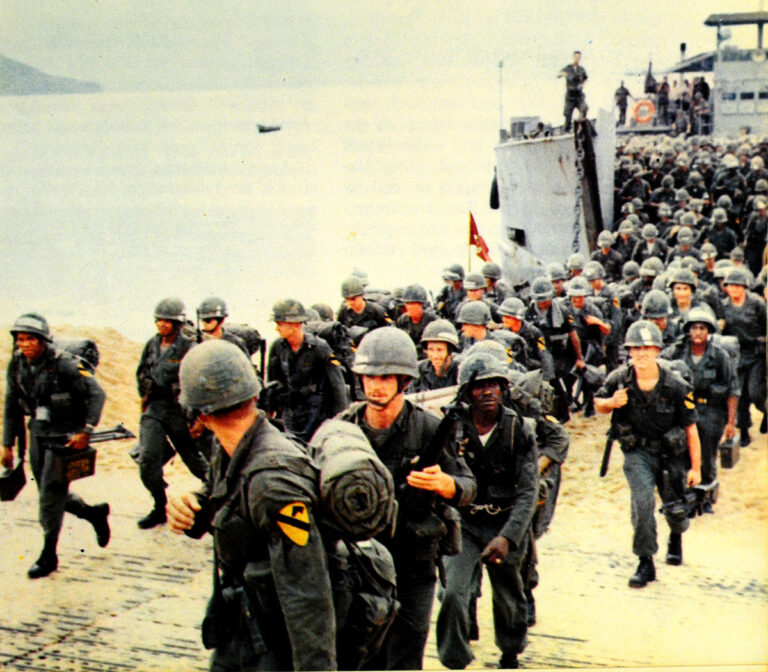
    The Vietnam War era was marked by countless innovations, but none stood out quite like the Bell UH-1 “Huey” helicopter. As the backbone of the 1st Cavalry Division (Airmobile) and other military branches, the Huey shifted military tactics from traditional ground movements to agile aerial operations. Beyond its tactical agility, it came armed with formidable firepower, redefining aerial warfare. This article delves into the Huey’s meteoric rise, its game-changing presence in battles like Ia Drang Valley, and its global military adoption, painting a vivid picture of a machine that changed the course of history.

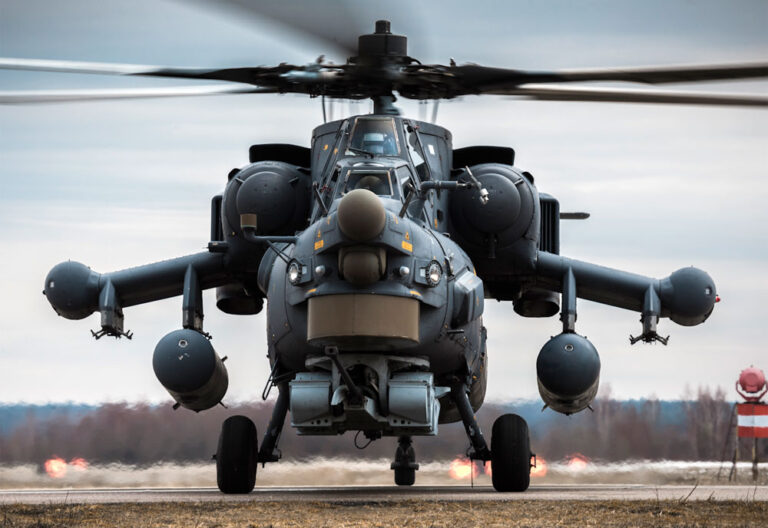
  • The Comprehensive Guide to the Mil Mi-28 Helicopter

    Dive into the world of the Mil Mi-28 helicopter, an engineering marvel that stands tall in the annals of military aviation. This comprehensive guide unravels the rich tapestry of the “Night Hunter,” from its historical inception to its pivotal role on the global stage. Discover the technical intricacies that distinguish the Mi-28, the innovations that set it apart, and its comparative strengths against other iconic helicopters. Further, gain insights into its vast global footprint, from countries that deploy it as a strategic asset to the future upgrades that promise to elevate its prowess. This article is a treasure trove for military enthusiasts, researchers, and anyone intrigued by the blend of technology and strategy in the skies. Embark on a journey with the Mil Mi-28 helicopter, a testament to human ingenuity and a beacon of aerial excellence.

  • | |

    The Oldest Helicopters Still in Service Today

    Discover the fascinating journey of the oldest helicopters still in service today, a testament to human ingenuity and technological advancement. This detailed exploration delves into the rich history of iconic helicopters like the Sikorsky UH-1 Iroquois (Huey) and Boeing CH-47 Chinook, highlighting their remarkable longevity and enduring roles in both military and civilian sectors. From their early conceptual designs to their modern adaptations, these helicopters have evolved through continuous upgrades in avionics, engines, and structural materials.

    Our comprehensive analysis includes insights from aviation experts, comparative tables of technical specifications, and a look at future prospects and modernization programs. Learn how these helicopters have remained operational for decades, the critical missions they support, and the innovations that keep them relevant. Whether you are an aviation enthusiast, a history buff, or a professional in the field, this article offers a wealth of knowledge and intriguing insights into the resilient world of rotary-wing aircraft. Dive into the enduring legacy of these airborne workhorses and appreciate the technological marvels that keep them flying high.