AH-1W SuperCobra Helicopter – Taking the Fight to the Enemy
AH-1W SuperCobra: An Introduction
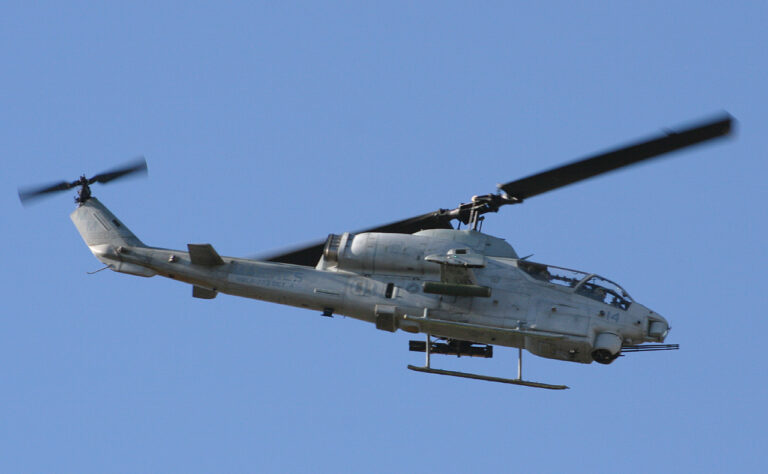
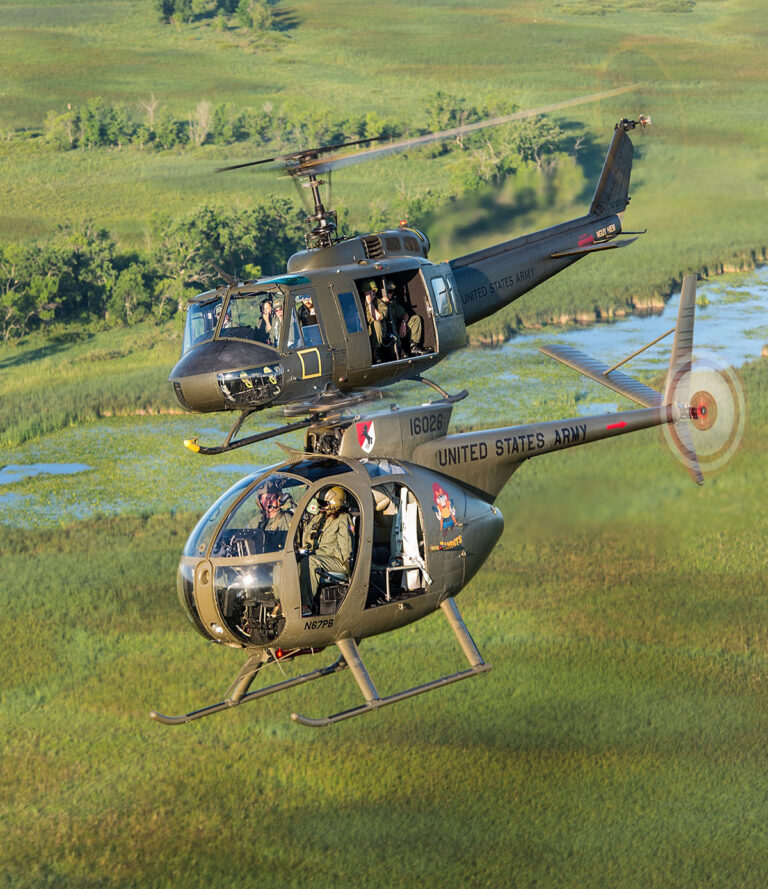
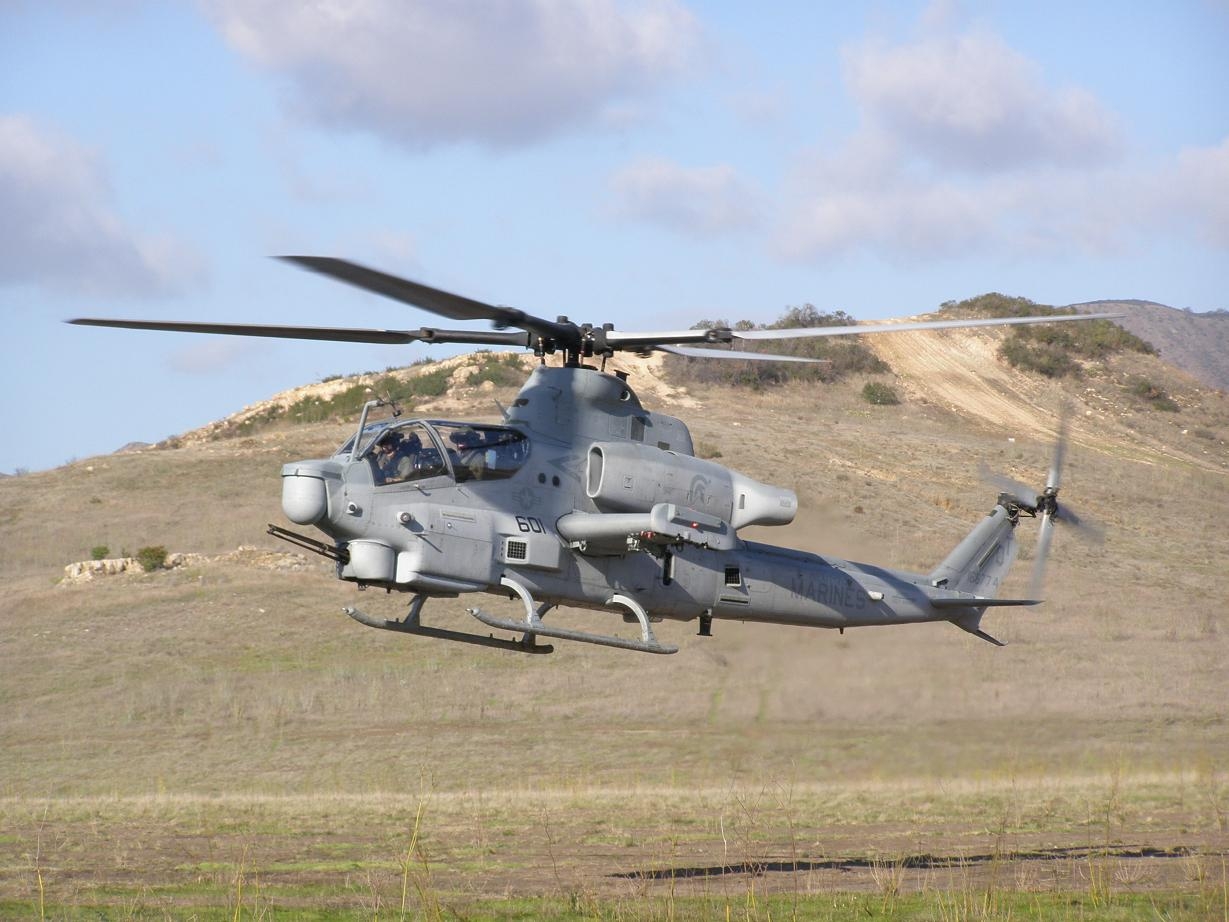
The AH-1W SuperCobra is a twin-engine attack helicopter and has been an integral part of the United States Marine Corps (USMC) since 1986. The SuperCobra’s roots trace back to Bell’s 1950s studies related to armed helicopters, which led to the development of the OH-13X, a modified version of the Bell 47/AH-47 Sioux and the UH-1/AH-1 Huey/Model 209 HueyCobra.
Vietnam by Chinook: A CH-47 Crew Chief During the Tet Offensive
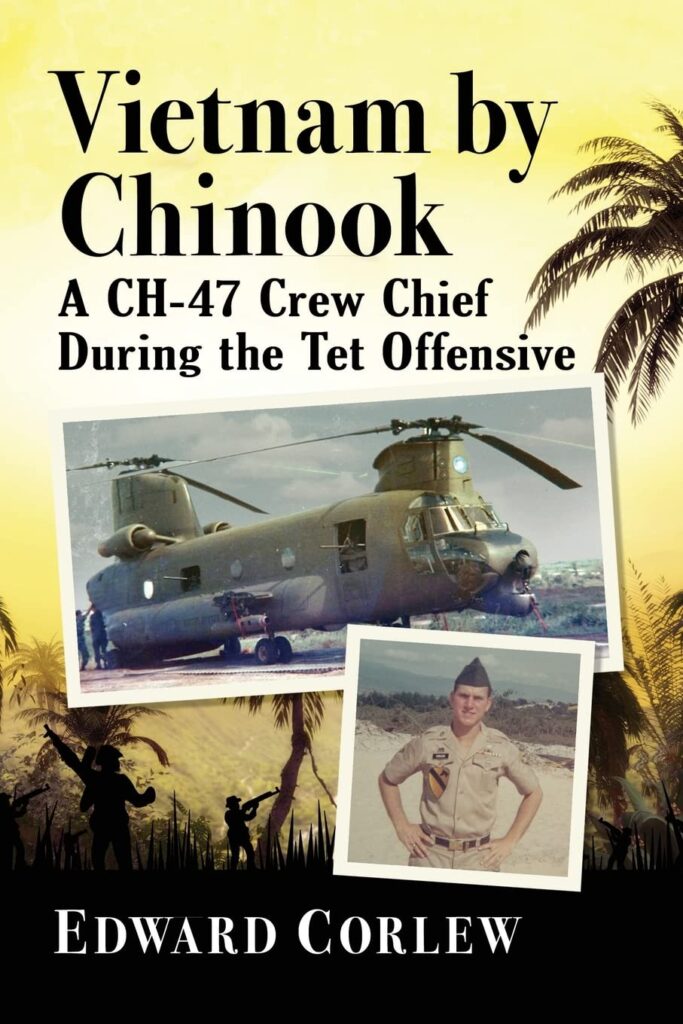
Like many other young men during the Vietnam War, Ed Corlew enlisted in hopes of having some influence regarding assignment–safety and training. Instead he found himself in the dangerous door gunner position and, soon after, the crew chief aboard a CH-47 Chinook, 15 miles from the DMZ in 1967 and 1968.
I’ve read many books on the Vietnam War, from many different perspectives and various service branches. This one is the very best of my readings. Ed Corlew is a young man fresh out of high school who felt the call of duty to serve his country. Following him through his decision to volunteer, how this decision affected his family, boot camp, advanced training, and then arriving in Vietnam. -William R Davis Jr.
Evolution and Deployment
The HueyCobra made its debut in the Army as the AH-1G in the 1960s and was deployed to Vietnam as gunships from September 1967. The compact size of the AH-1G made it challenging to hit, and it could reach its targets in half the time taken by a Huey helicopter.
The AH-1Q, equipped with eight TOW anti-tank missiles, and the AH-1R, with a more powerful engine, gearbox, and transmission, succeeded the AH-1G for the Army. The AH-1S, featuring more powerful engines, became a standard model.
Marines and the SeaCobra
The Marines ordered the AH-1J SeaCobra in the 1970s, with 67 delivered starting in February 1971. These were shipped to Vietnam, augmenting the Corps’ interim order of 38 AH-1Gs. The Marines preferred the Pratt & Whitney Twinpac engine for its increased power and safety over sea. The AH-1T needed more power, leading to improvements in the engine, transmission, and increased size of the tailboom and fuselage.
The SuperCobra Emerges
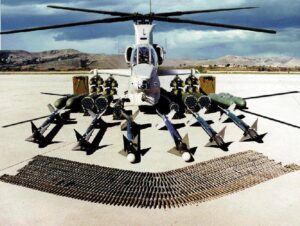
The AH-1W entered service with the Marines in 1985 as the SuperCobra. The AH-1W had full night-fighting capabilities (the Night Targeting System (NTS)). Furthermore, in addition to power improvements, the AH-1W is equipped with air-to-air missiles, including Sidewinders and Sidearm anti-radiation missiles. Moreover, the SuperCobra has the capability to launch various rockets and rocket bombs.
Looking Forward: The AH-1Z
An AH-1W re-manufacture upgrade program is underway to produce the AH-1Z with various enhancements. These include a hingeless and bearingless four-bladed main rotor head with semi-automatic folding. There will be reductions in rotor vibration, substantial increases in flight envelope, payload, maximum speed, and vertical rate of climb.
Frequently Asked Questions
What is the origin of the AH-1W SuperCobra?
The AH-1W SuperCobra traces back to the Bell’s 1950s studies on armed helicopters. The AH-1W led to the development of the OH-13X and UH-1/AH-1 Huey/Model 209 HueyCobra.
When did the AH-1W SuperCobra enter service with the Marines?
The AH-1W SuperCobra entered service with the Marines in 1985.
What armaments can the AH-1W SuperCobra carry?
The SuperCobra has the capability to carry air-to-air missiles, such as Sidewinders and Sidearm anti-radiation missiles. The AH-1W features a three-barrel 20mm Gatling gun and can launch a range of rockets and rocket bombs.
What are the improvements in the AH-1Z variant of the SuperCobra?
The AH-1Z will have a hingeless and bearingless four-bladed main rotor head. The improvements also included reduced rotor vibration, increased flight envelope, payload, maximum speed, vertical rate of climb, and advanced targeting and electronic warfare systems.