Modern Military Helicopters Have To Fly Faster
A Brief History of Military Helicopters
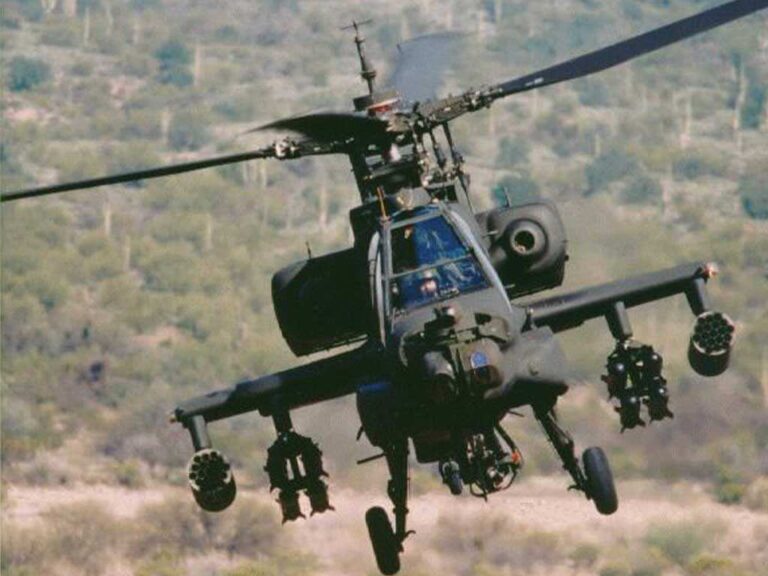
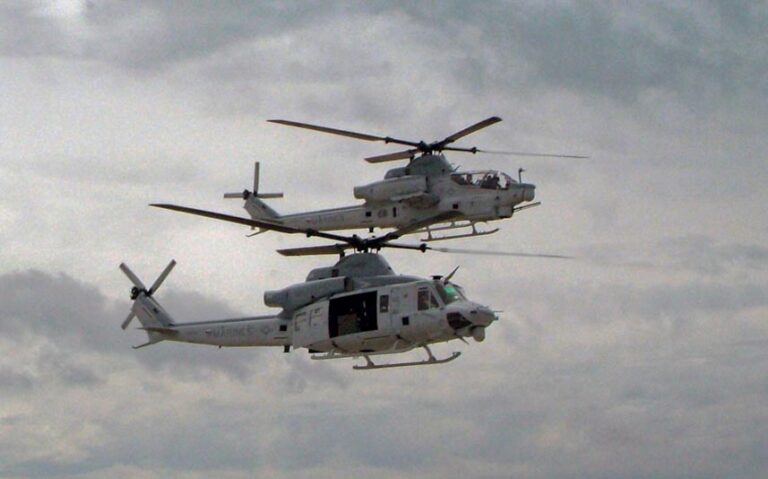
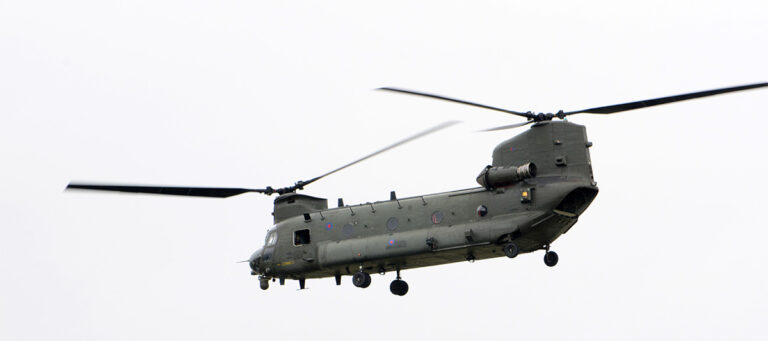
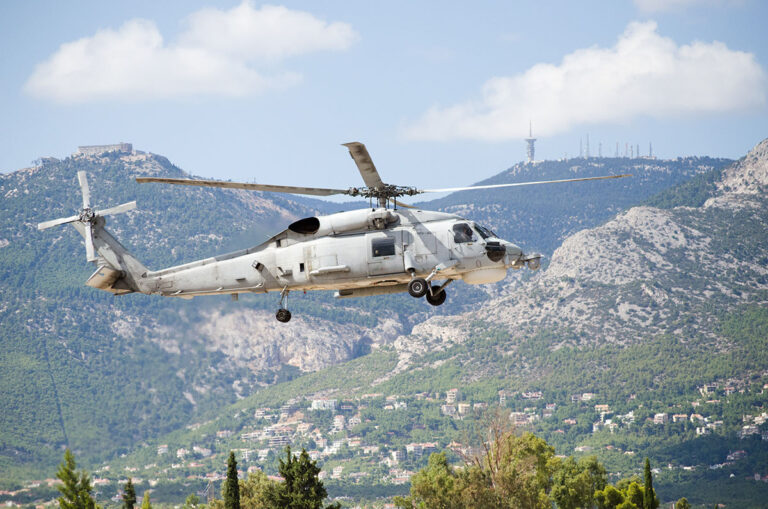
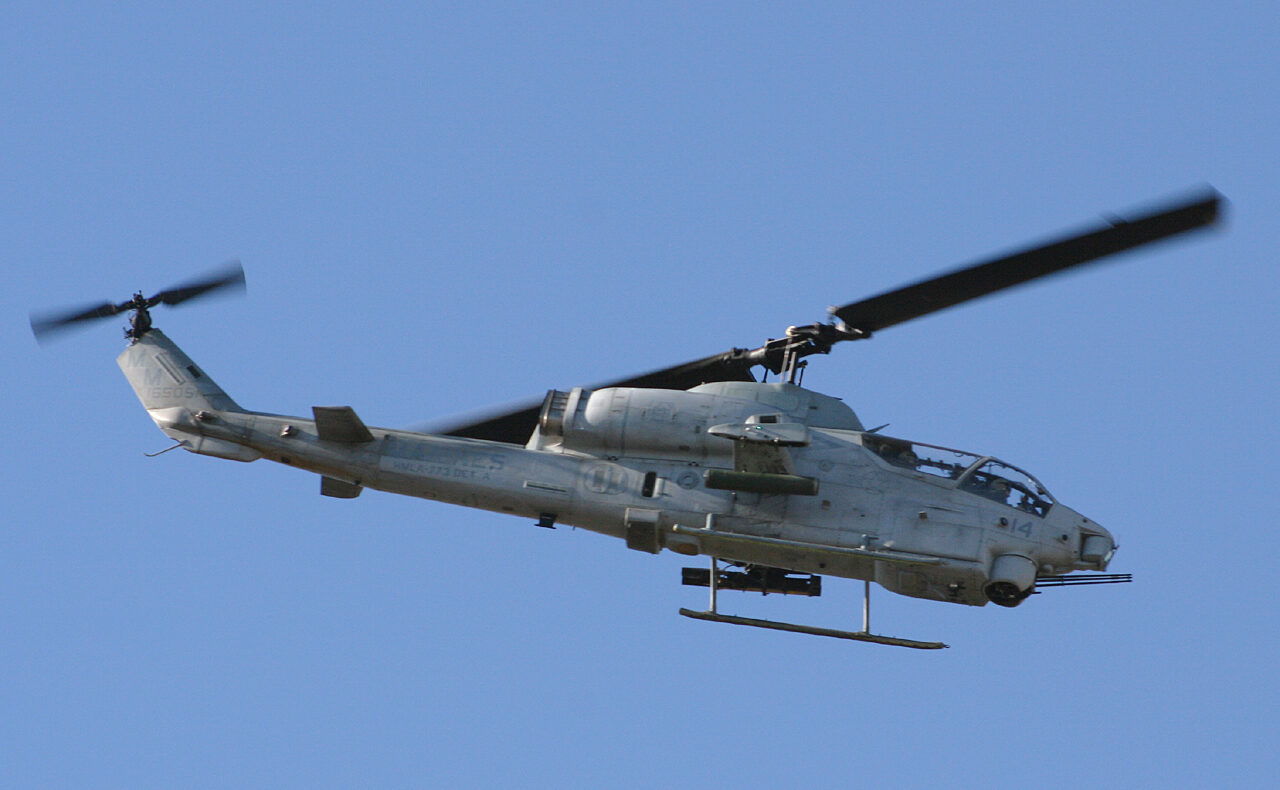
Military use of helicopters began at the end of World War II. Since then, performance increases have been modest. The main improvements are ‘inside’ features. These include better communications, advanced weapons, and enhanced durability. Today, the military depends on the Apache and Black Hawk helicopters. These are set to serve until the late 2030s. The Apache has been in service since 1986. The Black Hawk joined the fleet in 1979. The smaller Kiowa helicopter has been operational since 1966.
An Illustrated History of Military Helicopters

A complete history of Army and Navy helicopters from the first visionaries to unmanned aircraft systems. This book, with over 200 helicopter photographs documents every generation of rotorcraft from early prototypes to the specialist helicopters of today.
Amazing text. As a Veteran helicopter mechanic I am passionate about all birds and their histories. Highly recommend this book. It sits firmly on my coffee table to spread the allure to friends and visitors alike. – John J.
The Need for Speed: Improving Helicopter Performance
One thing upgrading the helicopters does not do is make them faster. For example, the original helicopters of the late 1940’s had a maximum speed of 75 mph. By the 1970s, the average speed for Army helicopters was about 138mph. Considering fighter jets reaching Mach speeds, helicopters are the tortoise vs. the hare.
Pushing the Envelope: Sikorsky X2 and S-97 Raider
Sikorsky used innovative technology and designs. This led to the creation of the ‘Sikorsky X2’. It reached a top speed of 287.7 mph. Just three weeks later, Eurocopter flew their ‘X3’. It reached 267 mph. Eurocopter is now known as Airbus Helicopters. Currently, Sikorsky is building the new S-97 Raider helicopter. It uses the X2 technology. This helicopter is expected to replace the Kiowa scout helicopters. The expected replacement time is 2013/14.
The Military’s Desire for Faster Helicopters
The US Army is the largest operator of military helicopters and is looking for faster helicopters. “One hundred and seventy knots is not enough,” Army Col. Douglas Rombough, SOCOM’s rotary wing program executive officer, told the Special Operations Forces Industry Conference 2011 in May. “We must have a minimum of 200 knots capability. After you add all the things you like to add to the outside of that aircraft to make it shoot, move, communicate – with all the drag out there – we need to proceed to the objective at 200 knots or better. The current fleet of DoD [Department of Defense] rotorcraft cannot continue to be incrementally improved to meet future operational requirements. Significant increases in range, speed, payload, survivability, reliability, and reduced logistics footprint are all required and can only be met through the application of new technologies, which are best developed through a joint multi-role commonality approach. We are going to hopefully guide the services into giving us something that is useful for us – we certainly do not have the budget or funding to guide a whole new generation of aircraft.”
Cost Considerations and Classifications for Future Helicopters
Getting faster helicopters usually presents a cost issue. This applies to the new platforms. The DoD has created joint requirements. These are for future helicopters. They are for use by all military branches. The result is new classifications. These include heavy, medium, light, and ultra-light. The new helicopters have additional requirements. These are for military use. They include a 150 percent increase in hover altitude. A 40 percent increase in payload. A 50 percent reduction in noise and turning radius. And a doubling of the current speed.
Future Challenges and Anticipations
The military is asking for new helicopters that can meet the above challenges by 2030. But some experts are worried about the accelerated timetable. Mark Miller of Sikorsky believes the military is at least two decades ahead of what is possible. “Of all the vehicles I worked on, from the F-22 to single-stage-to-orbit spacecraft to hyper sonics, the helicopter presents some unique technology challenges,” he said. “We have been operating in this industry very much in an age of incrementalism. If you look at how a helicopter flies and its characteristics, it really has not changed much in the last 50-plus years.
To address the affordability issue, then-Secretary of Defense Robert Gates two years ago ordered the four DoD services to develop joint requirements for future helicopters. The result was a four-class set of joint multi-role (JMR) rotorcraft: heavy, medium, light, and ultra-light.
Mark Miller is Sikorsky’s vice president of Research & Engineering. He finds the military’s “superfast” helicopter timeline too conservative by at least two decades. His current position is with one of DoD’s top rotorcraft contractors. He also held a previous job. This was at Lockheed Martin Skunkworks as deputy vice president. This is home to many advanced military aviation technologies. With this background, Miller has strong insights. They pertain to DoD requirements and funding.“Of all the vehicles I worked on, from the F-22 to single-stage-to-orbit spacecraft to hypersonic, the helicopter presents some unique technology challenges,” he said. “We have been operating in this industry very much in an age of incrementalism. If you look at how a helicopter flies and its characteristics, it really has not changed much in the last 50-plus years. We could have waited for a challenge and funding from the U.S. military or continued the path of incremental improvements to conventional designs. But we felt it was time to lean forward and do something creatively that would change the game in how helicopters are viewed and how they operate.
The challenge was to take everything great about a helicopter – low speed handling qualities, maneuverability, low down operations – then add a dimension: speed.
So, it is not an airplane that can hover, but a helicopter that adds the dimension of speed.”
Sikorsky believes the S-97 Raider can meet the military’s new requirements and bring the technology to the field quickly. Even if the S-97 does not make it into action, the inclusion of faster helicopters or vertical lift platforms is inevitable:
“You cannot fight a modern war with outdated equipment. When we go along this path to a future vertical lift, there will be tradeoffs. And I am willing to do that to field something that is good enough, so long as it is modern enough to fight a future war,” Maj. Gen. Anthony G. Crutchfield concluded. “That is not the same as wanting something that is perfect, and all the technologies required to make it perfect.
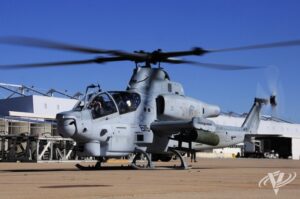
“But I do not want my grandchildren flying Block 30 [Apache] in 2030 – we are flying Block 3 now. At some point the aircraft we have today will only be as capable as the technology we can put on that helicopter. The Apache and Black Hawk will never fly any faster than they do today. So, the only way to get greater speed is to have something else, to design something new to do that.”
Frequently Asked Questions
Why has the speed of military helicopters not significantly increased over the years?
Most advancements have focused on the helicopter’s interior such as communication systems and weapons capabilities. The speed of helicopters is constrained by physical and aerodynamic limits.
What are the fastest helicopters currently in existence?
Sikorsky’s X2 reached a top speed of 287.7mph, and Airbus Helicopters’ X3 achieved 267mph.
What is the expected service period for current military helicopters?
The Apache and Black Hawk helicopters are expected to remain in service until the late 2030s.
What are the military’s requirements for future helicopters?
The military is seeking helicopters with significant increases in range, speed, payload, survivability, reliability, and reduced logistics footprint.
What are the challenges in producing faster helicopters?
Technological and cost-related hurdles present significant challenges. Moreover, increasing a helicopter’s speed without sacrificing its unique capabilities is a complex task.