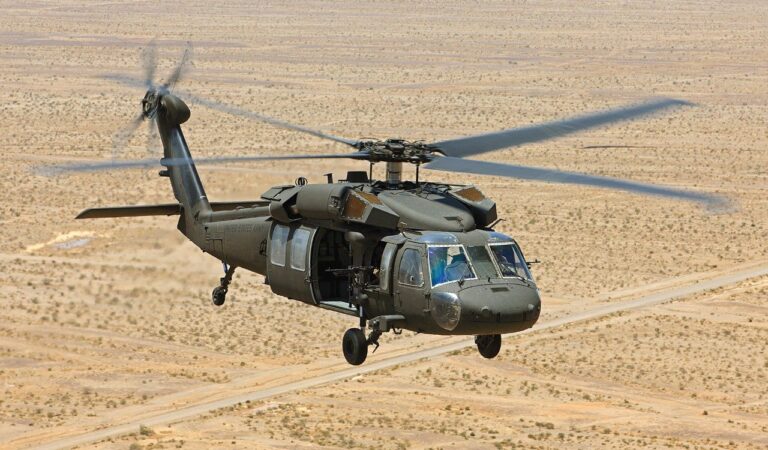
Sikorsky UH-60 Helicopter in Flight

Introduction to the Iconic Sikorsky UH-60 Black Hawk Helicopter

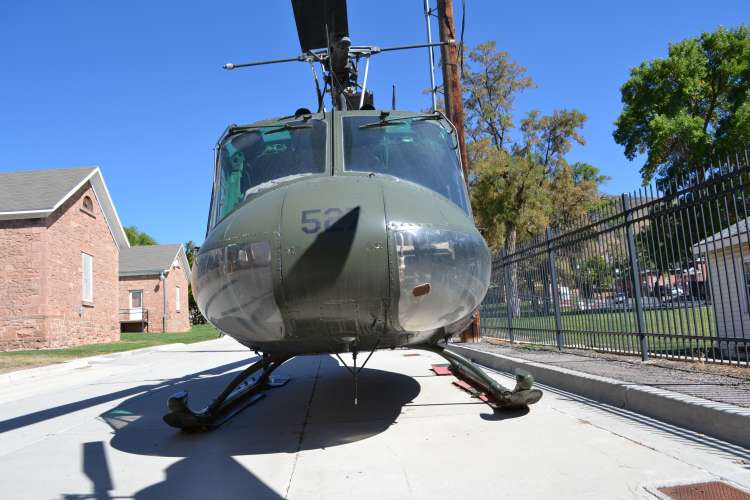
The U.S. Army identified the need for a Utility Tactical Transport Aircraft System (UTTAS). They aimed at replacing the UH-1 Iroquois. For this purpose, the Sikorsky Model S-60 came into the picture. The first flight of the prototype took place on October 17, 1974. The Army intended to order 2,260 units of what became the UH-60 Black Hawk. However, budget limitations led to reducing the order down to 1,400 units. The first Sikorsky UH-60 Black Hawk entered service in June 1979.

Sikorsky UH-60 Size and Capability
Sikorsky Black Hawk Helicopter Taking Off

Compared to the UH-1, the Black Hawk Helicopter boasts a larger size. The first aircraft could house 20 troops, a significant increase from the UH-1’s capacity of 11. Additionally, it could carry an 8,000lbs underslung load. The UH-60 also enjoys the advantage of being air portable. A single UH-60 fits in a C-130 Hercules, two in a C-141 StarLifter, and six in a C-5 Galaxy.

UH-60 Evolution and Variants

As the design evolved, the UH-60L replaced the Army Sikorsky UH-60A Black Hawk. The newer model came with stronger engines and a reinforced underslung hook. Medevac versions of both models could fit six stretchers. About 40 UH-60Ls got a modification to become the EH-60A, specializing in battlefield electronic warfare (EW). Special operations saw another 30 units modified to the MH-60A with a unique fit. By September 2003, the prototype UH-60M had taken flight, intended to succeed the UH-60L.
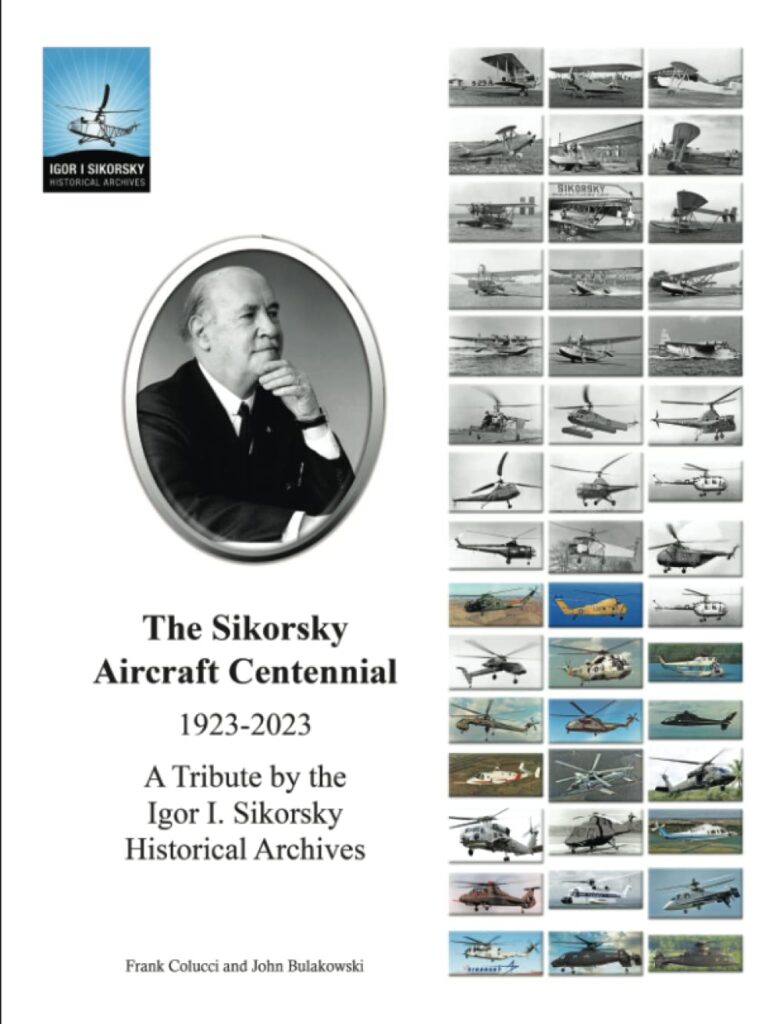
Igor Sikorsky was a pioneering Russian engineer and aviator driven from his home by revolution. The Sikorsky Aircraft Centennial 1923-2023, a Tribute by the Igor I. Sikorsky Historical Archives, documents his work in the United States and that of the pioneering American company that he founded. Ittraces the growth of Sikorsky Aircraft from a struggling fixed-wing aviation concern started on a Long Island farm to a world-leading helicopter manufacturer today headquartered in Connecticut.

Adaptations for Air Force and Marine Corps

The Air Force used modified UH-60As as HH-60G Pave Hawk for Combat Search and Rescue (CSAR). These versions could refuel from a C-130 Hercules and carry pintle-mounted machine guns. More orders came in for MH-60Gs, with earlier conversions redesignated accordingly. The MH-60L followed the MH-60K, a special operation variant with substantial armaments. November 1988 saw the delivery of the first VH-60N White Hawk for the Presidential Flight. Operated by the Marine Corps, these units did not include the proposed H-60E.

The Navy’s SH-60B Seahawk

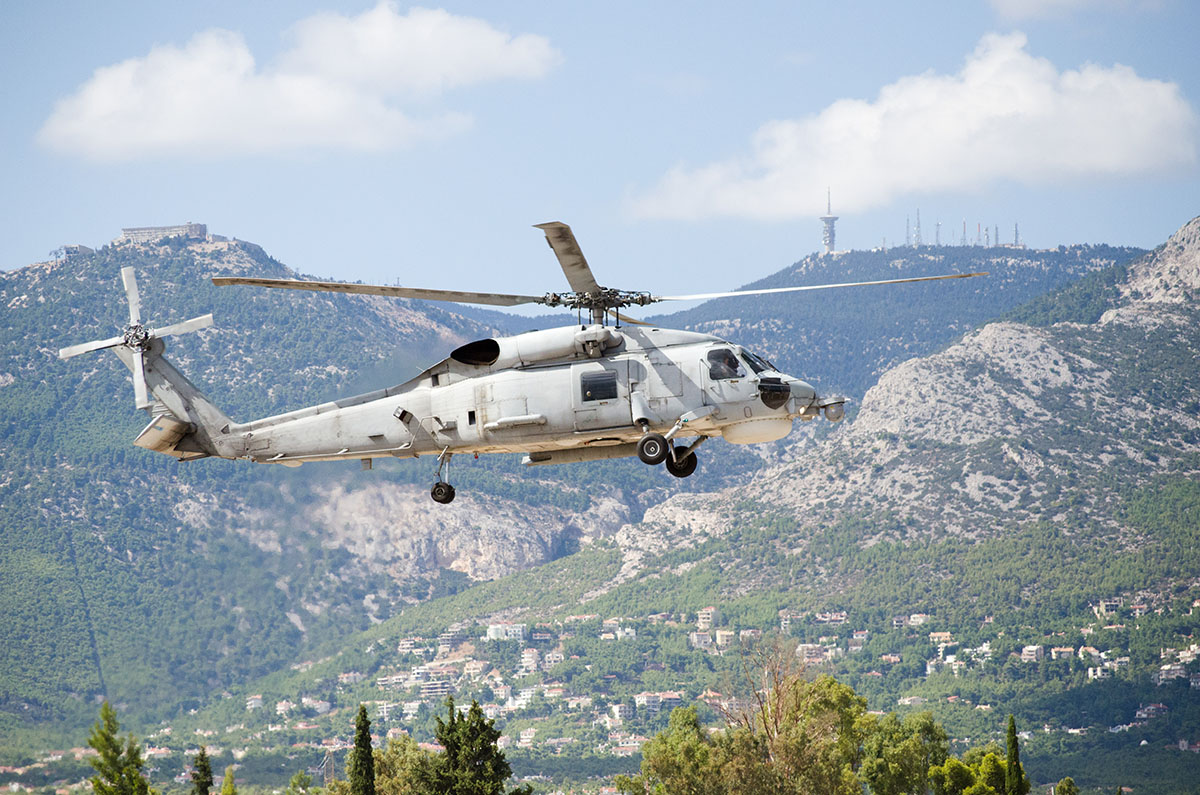
In 1977, the S-60B entered the Navy’s LAMPS MK.III (Light Airborne Multi-Purpose System) competition. Winning the competition, it became the SH-60B Seahawk. This variant could automatically fold its tail and rotor, perfecting space usage on ships. It underwent significant internal modifications for Anti-Submarine Warfare (ASW) and Anti-ship Missile Defense (ASMD). The SH-60B also carried a Magnetic Anomaly Detector (MAD), sonar buoys, and could arm torpedoes and the AGM-119 Penguin anti-ship missile.

Continued Evolution of the UH-60 Black Hawk Helicopter

The Navy’s production line gave us the SH-60F Ocean Hawk with dunking sonar. It replaced the SH-3D Sea King in ASW and plane guard/rescue roles. In 2001, the first remanufactured SH-60B appeared as the MH-60R, part of a major rebuild program. Additionally, the MH-60S Knight Hawk with a larger cabin volume replaced the HH-46s in the Fleet Combat Support Aircraft role. The Navy’s variant for CSAR, the HH-60H, did not include the ASW kit or refueling probe.

This article has captured the remarkable evolution of the Black Hawk helicopter, from its birth to the latest variants. Each has played unique and essential roles across the Army, Air Force, and Navy. The Sikorsky UH-60 Black Hawk stands as a testament to the adaptability and versatility of military planes.

Similar Posts

  • CH-47 Chinook Helicopter – Making a Great Helicopter Better

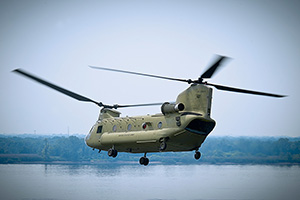
    The CH-47 Chinook Helicopter was an enlarged development of the Vertol Model 107, designated Model 114, which the Army preferred because of its greater capacity.  The prototype was first flown on September 21, 1961, and deliveries to the Army began in 1972 as the CH-47A Chinook.  With large twin rotors powered by relatively new turboshaft engines, plus a cavernous fuselage, the CH-47 offered helicopter airlift capability not previously available. 

  • | |

    The Oldest Helicopters Still in Service Today

    Discover the fascinating journey of the oldest helicopters still in service today, a testament to human ingenuity and technological advancement. This detailed exploration delves into the rich history of iconic helicopters like the Sikorsky UH-1 Iroquois (Huey) and Boeing CH-47 Chinook, highlighting their remarkable longevity and enduring roles in both military and civilian sectors. From their early conceptual designs to their modern adaptations, these helicopters have evolved through continuous upgrades in avionics, engines, and structural materials.

    Our comprehensive analysis includes insights from aviation experts, comparative tables of technical specifications, and a look at future prospects and modernization programs. Learn how these helicopters have remained operational for decades, the critical missions they support, and the innovations that keep them relevant. Whether you are an aviation enthusiast, a history buff, or a professional in the field, this article offers a wealth of knowledge and intriguing insights into the resilient world of rotary-wing aircraft. Dive into the enduring legacy of these airborne workhorses and appreciate the technological marvels that keep them flying high.

  • Kamov Ka-52 Helicopter: The Alligator’s Legacy and Modern Evolution

    The Kamov Ka-52 helicopter, commonly dubbed the ‘Alligator’, is a true marvel of aviation engineering. Renowned for its unique co-axial rotor design, this aircraft stands out not just for its distinctive silhouette but also for its impressive operational capabilities. Our comprehensive article delves into the Alligator’s journey from its conceptual design to its formidable presence on the modern battlefield. We explore its technological advancements, ensuring it remains at the forefront of aerial combat. The Kamov Ka-52’s operational history is a testament to its resilience, with a history that highlights both its might and adaptability. Additionally, with continuous modernization efforts, this helicopter is poised to meet the demands of future warfare. A significant focus is also laid on its global reach, highlighting its current operators and potential export avenues. The article concludes with a reflective look at the Alligator’s enduring legacy and its promising future in the realm of military aviation. Join us in this deep dive into the world of the Kamov Ka-52 and discover why it is a beacon of innovation and excellence.

  • |

    The Huey Helicopter’s Role in the Final Chapters of Vietnam

    As the Vietnam War neared its end, the Bell UH-1 “Huey” played an instrumental role in shaping its final chapters. From aiding the US’s drawdown strategy to facilitating desperate evacuations during Saigon’s fall, the Huey was at the conflict’s heart. Yet, its legacy extends beyond combat. Post-war, even as a divided nation sought to heal, the Huey found new life in reconstruction and unification efforts. Dive into the intertwined destinies of a nation and an aircraft and explore how the Huey transformed modern warfare.

  • Korean War and the Medevac Helicopter

    The development of helicopters during and after the Second World War proved the value and utility of rotary wing aircraft in combat situations. So much so that the Army, Navy and Air Force all set up their own helicopter development units.

    This enabled a shift in how critical care was delivered in combat. During previous conflicts, medical stations had to be as close to the front line as possible to shorten the path to care. This led to obvious risks and compromises in both treatment and conditions.  The advent of medevac helicopter meant that field hospitals could be set up in central locations and have patients delivered to them. That meant better care, better conditions and the ability to recover after operations before being evacuated. That alone saved hundreds of lives.