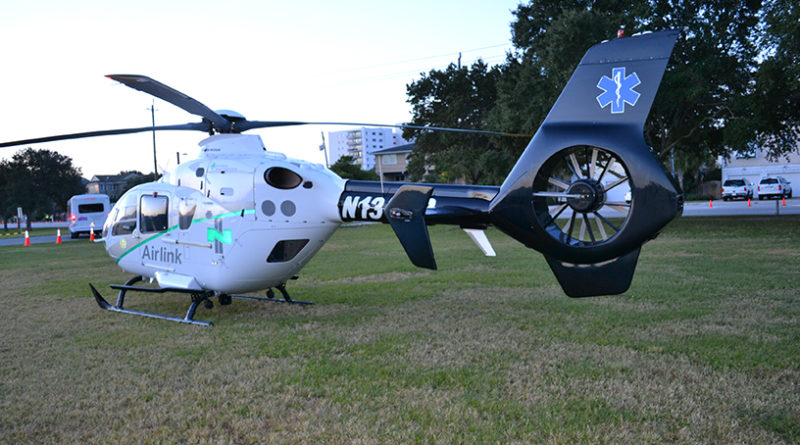
Becoming a Medevac Helicopter Pilot

How to Become a Medevac Helicopter Pilot

Being a medevac helicopter pilot has to be one of the most important vocations there is. That is especially true if you are planning to become an Army medevac helicopter pilot. Even civilian pilots fly into harm’s way to rescue the injured, making it a very human career choice for anyone with the aptitude. There are two routes to becoming a medevac helicopter pilot. The first is to join the army and become a helicopter pilot. The other is to train as a civilian and join one of the many medevac outfits running across the country. It is this latter that we shall discuss here.

Becoming a Civilian Medevac Helicopter Pilot

There are two major requirements to becoming a medevac helicopter pilot. The first is flight hours and the second is licenses. To become a pilot, you will need to pass some or all of five licenses. The private, commercial, instrument, instructor, and instructor with instrument licenses. If you choose to acquire all five, you will become a certified flight instructor with instrument or CFII.  You will need a minimum of 250 hours to pass these certifications with around 85 hours in the classroom. It takes more hours for the average pilot to become CFII, but it is possible to do it within that number of hours.

The main downside with civilian medevac helicopter pilot training is cost. With the army, you will be paid while you train in exchange for many years’ service. To train as a civilian cost around $80,000 to become CFII. Once you are CFII and have three hundred hours, you can begin instructing. Most pilots will enter the private sector to gather their 1,000 hours, which is the next goal. Once you have 1,000 hours, you can fly commercially, which most pilots will do in the Gulf of Mexico or in vacation areas flying tours. These are two ways to gain hours very quickly.

Once you have 2,500 hours you can apply for medevac. Nobody will contemplate hiring a helicopter pilot for medevac with less hours as the job is too demanding for anything less.

Helicopter Rescues Vietnam: True stories of helicopter rescues as told by the men who flew them

On August 6, 2011, a US Army CH-47D Chinook helicopter approached a landing zone in Afghanistan 40 miles southwest of Kabul. The helicopter, call sign Extortion 17, was on a mission to reinforce American and coalition special operations troops. It would never return. Insurgents fired at the Chinook, severed one of its rear rotor blades, and brought it crashing to the ground. All 38 onboard perished instantly in the single greatest moment of sacrifice for Americans in the war in Afghanistan.True stories of daring helicopter rescues as told by the men who flew them. Twenty two missions flown by youthful helicopter crews in service to their country and to their fellow comrades during the Vietnam War.

Medical Training

As well as flight training, it will be useful to obtain your third class (at least) medical certificate. A second-class medical certificate is the minimum a medevac helicopter pilot should hold. There are no entry-level medevac jobs, so you must hit the ground running, at your own expense.

The road to becoming a medevac helicopter pilot is a long one. Yet it is one of the most rewarding careers we know of. While initial training can be arduous and expensive, once you are qualified, you can earn decent money while you are logging hours. You can repay your loans, family, or earn a living while you are doing something you love, flying.

While competition is hot, there are possibilities as a medevac helicopter pilot. The profession requires a lot of skill, qualifications, and flying hours. Few, except ex-military pilots, can acquire such, so if you can, you have an advantage when it comes to finding work. Nobody is saying it is easy, but then nothing in life ever is!

Similar Posts

  • |

    The History of the Bell 47 Helicopter

    The Bell 47 Helicopter stands as a monumental icon in aviation history. Originating in the mid-20th century, it pioneered roles in both civilian sectors and combat zones. From its crucial interventions in the Vietnam War to its transformative impact on emergency medical services and agricultural tasks, the Bell 47’s versatility and design have left an indelible mark. Journey with us as we explore the rich tapestry of its legacy, innovations, and enduring significance in the world of rotary-wing aircraft.

  • |

    Helicopter Flight Schools in Hawaii

    Imagine taking the controls of a helicopter, flying above Hawaii’s enchanting islands, each a jewel in the vast Pacific. The dream of flight comes alive amidst the lush landscapes, azure waters, and volcanic wonders of Hawaii. In our article, “Helicopter Flight Schools in Hawaii,” we unveil the gateway to this thrilling adventure.

    Hawaii, with its unique natural beauty, offers a picturesque backdrop for helicopter training. From the vibrant energy of Honolulu to the serene charm of Kailua-Kona, you can experience the joy of flight like never before. Our article introduces you to top-flight schools, including Go Fly Maui Helicopters, Rainbow Helicopters, and Mauna Loa Aero, ready to guide you on your journey to the skies.

    Join us on a skyward voyage, where the Aloha State’s breathtaking vistas become your playground. Discover the magic of helicopter flight amidst Hawaii’s paradise – an experience like no other awaits you.

  • Medevac Helicopters: Flying Ambulances in Modern Emergency Response

    In this in-depth article, explore the transformative world of medevac helicopters, the life-saving fusion of medical care and aviation. Medevac helicopters stand as crucial lifelines, ensuring swift and vital medical assistance to those in urgent need, serving as aerial ambulances equipped with advanced medical amenities. Delve into the rich history and evolution of these helicopters, witnessing how they’ve adapted and modernized, incorporating cutting-edge technology and enhanced safety measures. Understand the operational aspects and distinct features that make medevac helicopters a cornerstone in emergency medical services, providing timely medical response and transport. Explore the economic ramifications, the cost-effectiveness, and the ethical and regulatory frameworks guiding their utilization. The article also sheds light on prominent providers and manufacturers, and offers a glimpse into the future, where innovations promise to refine their capabilities further. Additionally, find answers to common queries in our extensive Frequently Asked Questions section. Whether you’re an enthusiast, a professional, or simply curious, this article serves as your comprehensive guide to the multifaceted realm of medevac helicopters, providing a blend of clarity, conciseness, and engaging content.

  • |

    Helicopter Schools in Arkansas

    Nestled amidst Arkansas’ stunning natural landscapes, our article, “Helicopter Schools in Arkansas,” unveils an exhilarating opportunity to soar above this picturesque state. Arkansas, known for its diverse terrain, from the Ozark Mountains to the Arkansas River, provides an idyllic backdrop for helicopter training.

    Get ready to embark on a thrilling journey at FlyARH, Arkansas’ premier helicopter flight school. Explore the heights, master the controls, and experience the beauty of Arkansas from a whole new perspective.

    From your very first flight to advanced training, we’ve got you covered. FlyARH offers a world-class learning environment with experienced instructors committed to making your aviation dreams come true.

    Don’t miss this chance to make the skies your playground. Whether you’re pursuing a career in aviation or seeking a thrilling hobby, Arkansas has it all. Read on and let FlyARH be your gateway to the endless skies of the Natural State!

  • Step off the Beaten Track with Heli-Skiing

    Everyone has hobbies but if you are the type of person that loves an adrenaline hit then you are no stranger to the rush of skiing or snowboarding. There are countless others, but one constant is the excitement from completing a difficult maneuver or the thrill of battling with some tough terrain and both winter and extreme sports fans bond over this fact. If you are nodding your head in agreement, it is time to step off the beaten (or well-skied) track in search of something more challenging. What if it was suggested you go heli-skiing? What if someone offered you the chance to experience the following:

  • Medevac Helicopters in the Middle East

    Helicopters have proven themselves time and again in every scenario they have been exposed to. One of the areas they have particular excelled at is medevac and casevac.  Helicopters can and will go where other aircraft cannot and where ambulances can’t reach to rescue the wounded. They provide fast, smooth transportation of casualties to field hospitals many miles from the front lines and offer the ability to begin critical care as soon as they enter the airframe.

    During the two Iraq wars and while in Afghanistan, helicopters have continued their service to troops on the front lines. Soldiers and commanders depend on them, they regard them as essential and combat operations are not planned unless medevac choppers are available if needed. Such is the importance place on them in modern warfare.