The Huey Medevac Helicopter Vietnam Workhorse
|

The Huey Helicopter as a Medevac in Vietnam

Introduction

Helicopters were instrumental in the Vietnam War. The challenging terrain made land travel difficult. Moreover, long distances involved complicated things further. However, helicopters, particularly the Huey, changed the game. This article will explore how the Huey Helicopter became a crucial part of Medevac missions in Vietnam.

Helicopters in the Vietnam War

Terrain and Battle Lines

The arduous terrain in Vietnam was a barrier. Consequently, land transport was slow and challenging. The shifting battle lines added to the complexity. Lessons from Korea had prepared helicopters for action this time.

Introduction of the Huey Helicopter

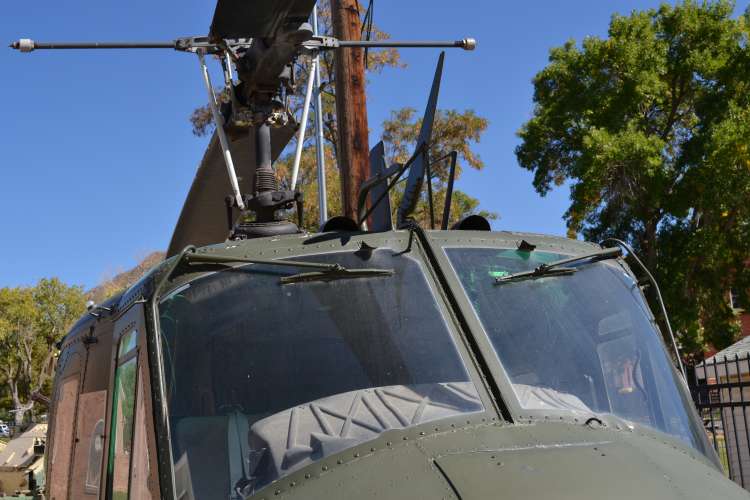
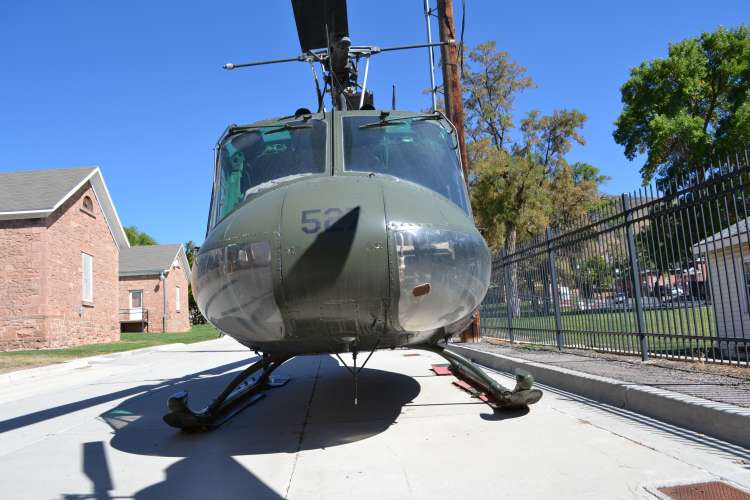
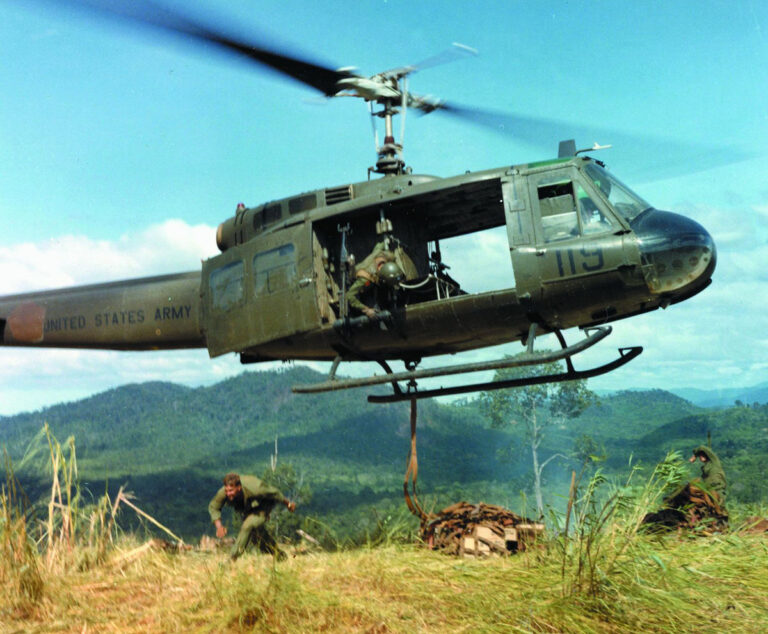
In April 1962, the 57th Medical Detachment brought five Bell UH-1 helicopters. The “Huey” proved invaluable and gained legendary status. Its first Medevac was on 12th May 1962, and it became a constant presence.
Landed Huey Medevac Helicopter

Advantages of the Huey Helicopter

Size and Protection

The UH-1 had size and protection benefits over earlier helicopters. A Huey could carry three stretchers inside, allowing immediate critical care. Thus, the mortality rate dropped from 4 percent in World War 2 to 1 percent in Vietnam.

The Personnel Rescue Hoist

The rescue hoist was a significant addition to the Huey. It allowed pilots to hover and collect casualties, reducing time for care. By 1966, this method was widespread across the combat zone.

DMZ DUSTOFF VIETNAM: True Stories of Unarmed Medevac Missions As Told By The Men Who Flew Them
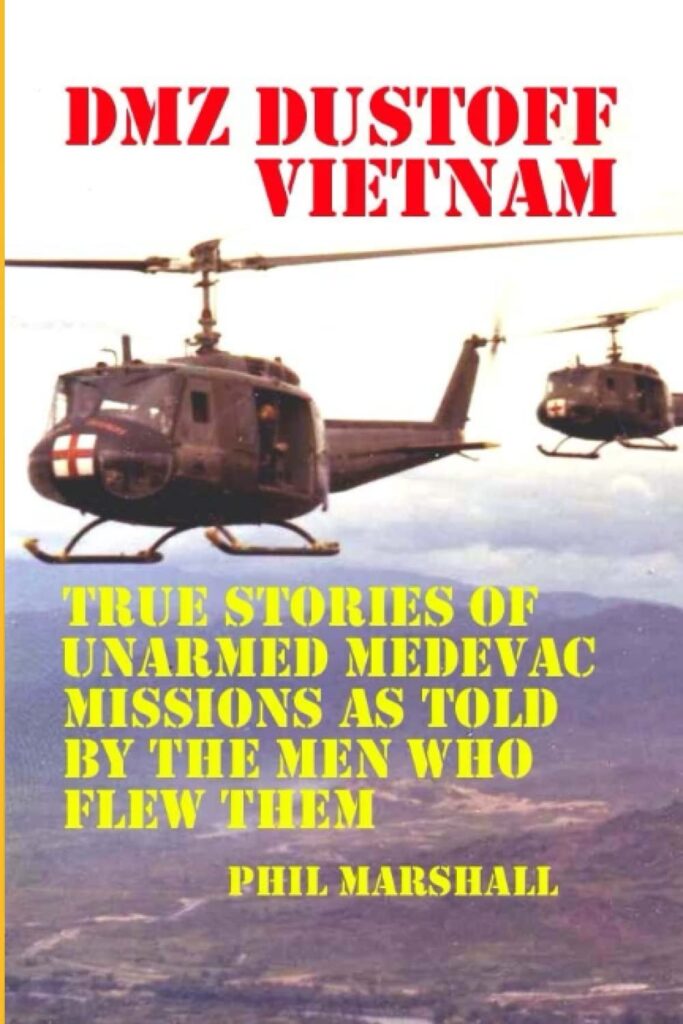
Grabbing the hand-held radio and transmitting on Guard, Halvorson alerted the tower to their situation. “This is Dustoff 7-oh-7 on guard, north of Quant Tri about 20 miles out. We have multiple wounded on board, no idea of their condition, no hydralics, and no instruments. We need a straight in. Clear everything, I need to be first in line”. It was about this this time that Gary noticed one of the few instruments still working was the engine temperature gauge, “And it was running pretty hot.”

Challenges and Bravery

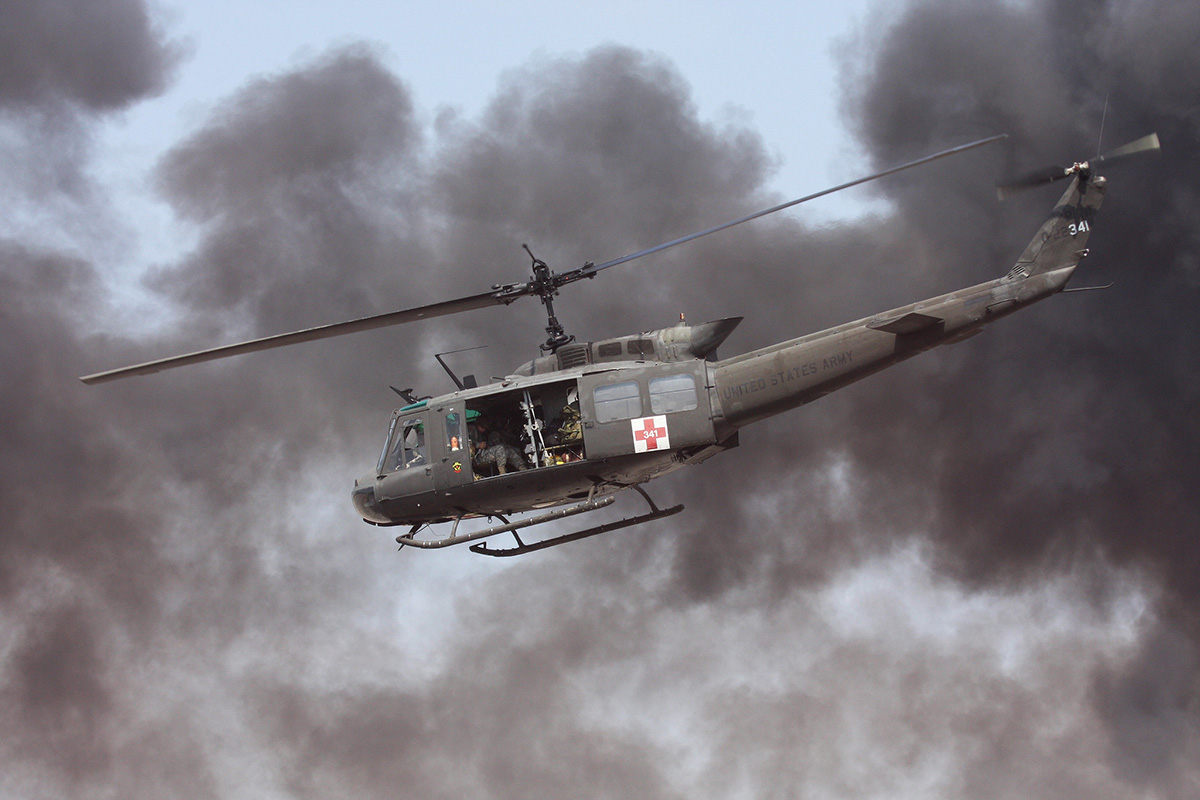
Medevac Huey’s were unarmed, marked only by a red cross. Regardless, they were targets for the Viet Cong. This led to losses and acts of bravery by most pilots. Around a third of all crews suffered injuries due to hostile fire and crashes, making it a dangerous calling.

Other Medevac Helicopters

The primary Medevac helicopter was the Bell UH-1 Huey. Additionally, other helicopters like the Sikorsky H-19 Chickasaw, Boeing-Vertol H-21 Shawnee, and others aided in Medevac or casevac.

Conclusion

In summary, the Huey’s role as a Medevac helicopter in Vietnam was pivotal. Its size, protection, and adaptability made it indispensable. Furthermore, its use reduced mortality rates and increased efficiency. Despite challenges and dangers, the Huey’s legacy in Medevac during the Vietnam War remains a remarkable chapter in military history.

Similar Posts

  • Korean War and the Medevac Helicopter

    The development of helicopters during and after the Second World War proved the value and utility of rotary wing aircraft in combat situations. So much so that the Army, Navy and Air Force all set up their own helicopter development units.

    This enabled a shift in how critical care was delivered in combat. During previous conflicts, medical stations had to be as close to the front line as possible to shorten the path to care. This led to obvious risks and compromises in both treatment and conditions.  The advent of medevac helicopter meant that field hospitals could be set up in central locations and have patients delivered to them. That meant better care, better conditions and the ability to recover after operations before being evacuated. That alone saved hundreds of lives.

  • Medevac Helicopters in the Middle East

    Helicopters have proven themselves time and again in every scenario they have been exposed to. One of the areas they have particular excelled at is medevac and casevac.  Helicopters can and will go where other aircraft cannot and where ambulances can’t reach to rescue the wounded. They provide fast, smooth transportation of casualties to field hospitals many miles from the front lines and offer the ability to begin critical care as soon as they enter the airframe.

    During the two Iraq wars and while in Afghanistan, helicopters have continued their service to troops on the front lines. Soldiers and commanders depend on them, they regard them as essential and combat operations are not planned unless medevac choppers are available if needed. Such is the importance place on them in modern warfare.

  • The Comprehensive Guide to the Mil Mi-28 Helicopter

    Dive into the world of the Mil Mi-28 helicopter, an engineering marvel that stands tall in the annals of military aviation. This comprehensive guide unravels the rich tapestry of the “Night Hunter,” from its historical inception to its pivotal role on the global stage. Discover the technical intricacies that distinguish the Mi-28, the innovations that set it apart, and its comparative strengths against other iconic helicopters. Further, gain insights into its vast global footprint, from countries that deploy it as a strategic asset to the future upgrades that promise to elevate its prowess. This article is a treasure trove for military enthusiasts, researchers, and anyone intrigued by the blend of technology and strategy in the skies. Embark on a journey with the Mil Mi-28 helicopter, a testament to human ingenuity and a beacon of aerial excellence.

  • |

    Hueys in Vietnam: The Ascendancy of Air Cavalry

    The Vietnam War era was marked by countless innovations, but none stood out quite like the Bell UH-1 “Huey” helicopter. As the backbone of the 1st Cavalry Division (Airmobile) and other military branches, the Huey shifted military tactics from traditional ground movements to agile aerial operations. Beyond its tactical agility, it came armed with formidable firepower, redefining aerial warfare. This article delves into the Huey’s meteoric rise, its game-changing presence in battles like Ia Drang Valley, and its global military adoption, painting a vivid picture of a machine that changed the course of history.

  • |

    Helicopter Dustoffs in Vietnam

    Medevac helicopters revolutionized how wounded soldiers were treated in battle. 29% of all wounded US Soldiers died during World War II. This number was reduced to 26% during the Korean War due to advances in medical technology and the use of medevac helicopters like the Bell 47. This number was further reduced to 19% during the Vietnam War. To put the percentages in to perspective, medevac helicopters in Vietnam transported 400,000 wounded soldiers compared to 17,700 during the Korean War.

  • |

    Bell Huey Helicopters in Combat

    The Bell UH-1 Helicopter played an unprecedented role in the Vietnam War, earning the reputation of the most crucial military aircraft. Serving various purposes, including troop transport, armed attacks, and medical evacuations, the Huey accomplished over 36 million sorties during the war. It revolutionized the battlefield in three distinctive roles – as “slicks,” “gunships,” or “dustoffs.”