History of the Hughes OH-6 Cayuse Helicopter
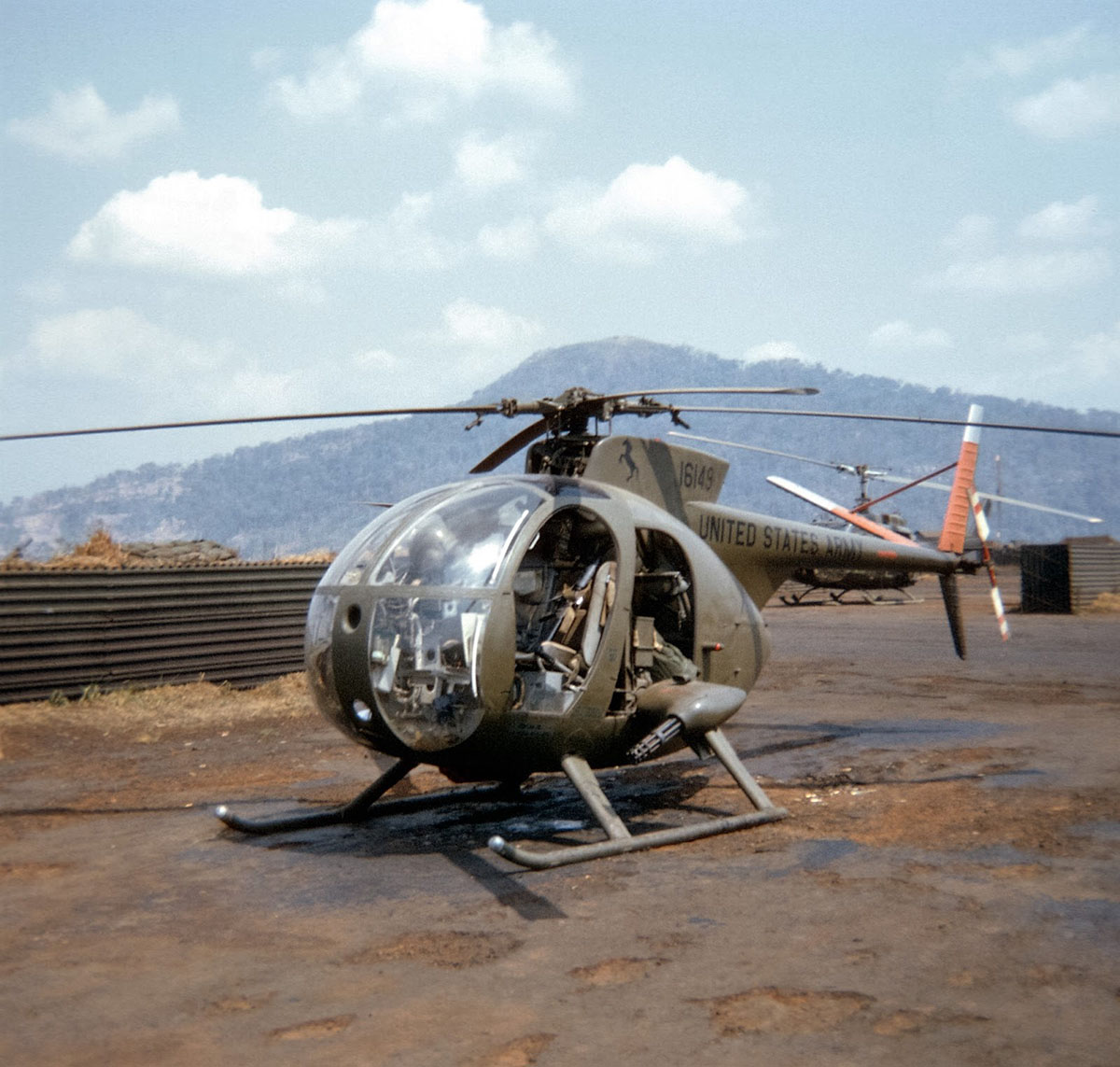
The Hughes OH-6 Cayuse helicopter, fondly nicknamed the “Loach,” boasts a history shimmering with dedication and unparalleled service. Conceived in the early 1960s, the chopper not only exceeded its design goals but also became an iconic fixture in US military aviation.
Cayuse Design and Competition
The inception of the OH-6 Cayuse traces back to the U.S. Army LOH (Light Observation Helicopter) competition in 1963. From its initial identity as the Hughes Model 369, it contended against 12 other designs. The spotlight ultimately centered on three: Hughes’ Model 369, Fairchild-Hillier’s H23 Raven, and Bell’s early OH-58 Kiowa model.
While Bell’s offering fell short due to its underwhelming power, the Hughes Model 369 – rebranded YOH-6A with a robust 252hp Allison T63-A-5A engine – soared during the trials at Fort Rucker, Alabama in 1963.
Dominance and Features
Choosing the OH-6A Cayuse was a combination of its stellar performance and Hughes’ competitive pricing. Consequently, the Army placed an order for a staggering 1,434 units.
Its prime attributes included:
- Whisper-quiet rotors
- Exceptional performance given its size
- Minimalistic design easing maintenance
Equipped with a distinctive egg-shaped body, it earned the moniker “Killer Egg.” The design had a two-man crew in the front, with a versatile rear section designed for either cargo or additional personnel.
Operational History and Variants
By 1966, the OH-6 Cayuse found itself amidst the Vietnam conflict, undertaking roles spanning medevac, troop transport, and observation, with roughly 100 units deployed.
Progress didn’t halt. The OH-6B improved power with a 420hp Allison engine. The OH-6C added a five-bladed rotor, dampening noise levels. Thereafter, the EH-6B emerged as an electronic warfare tool, followed by the special-forces-specific MH-6C, renowned for its night operations by the 160th SOAR, the “Night Stalkers.”
But as 1968 approached, Hughes faced competition once more. Bell’s OH-58 Kiowa showcased tremendous potential, and with a sealed bid process in play, they priced their model more competitively. This maneuver culminated in the original OH-6 Cayuse’s production halting in 1970.
Bell Helicopter Textron Story: Changing the Way the World Flies
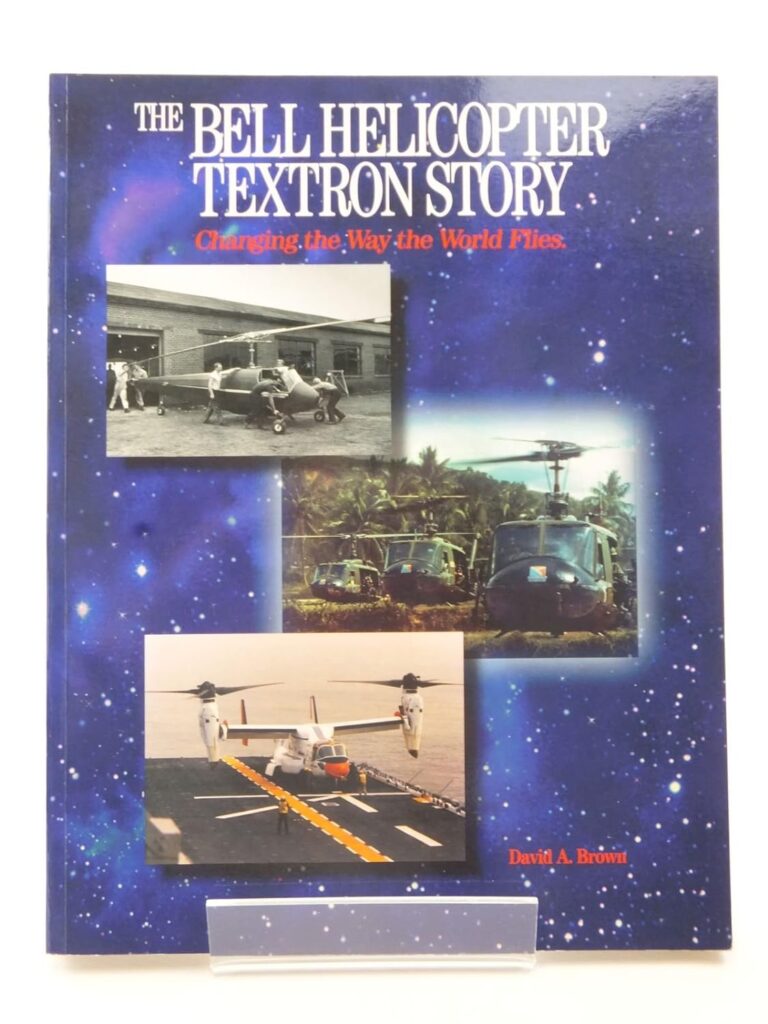
– Love the hueys in this book. It gives a rare insider view of the bell textron company and their aircraft.
– I have been a fan of the Bell 47 Helicopter since I was a small child. So I absolutely had to have this book, and it did not disappoint!
The Cayuse’s Continued Legacy
Despite military setbacks, Hughes pivoted. Their civilian variant, the Model 500, resonated globally. This venture catapulted Hughes into helicopter engineering’s vanguard, catching the eye of industry giant McDonnell Douglas in the 1980s.
Adaptability remained a strong suit for the Cayuse. The MH-6 “Little Bird” showcased versatility with the option for a 7.62mm machine-gun or a 40mm grenade launcher. Later models incorporated more advanced features: infra-red suppressed exhaust, night vision, turret-mounted FLIR, and seating for troops or fittings for twin miniguns.
Subsequent variants like the EH-6E enhanced electronic surveillance capacities. The MH-6E, hinging on Hughes’ Model 500D, was covertly used by special forces. Another standout, the AH-6F, underwent extensive testing in Florida with a M230 chain gun and a Stinger air-to-air model in tow. The AH-6 lineage retained its fundamental design even as engine upgrades were integrated.
General Characteristics of the Hughes OH-6 Cayuse
Conclusion
From its debut in the 1960s to its various evolutions and adaptations, the Hughes OH-6 Cayuse helicopter epitomizes resilience, innovation, and the spirit of aviation excellence. Its impact, spanning various military operations and roles, ensures its place in the annals of helicopter history.