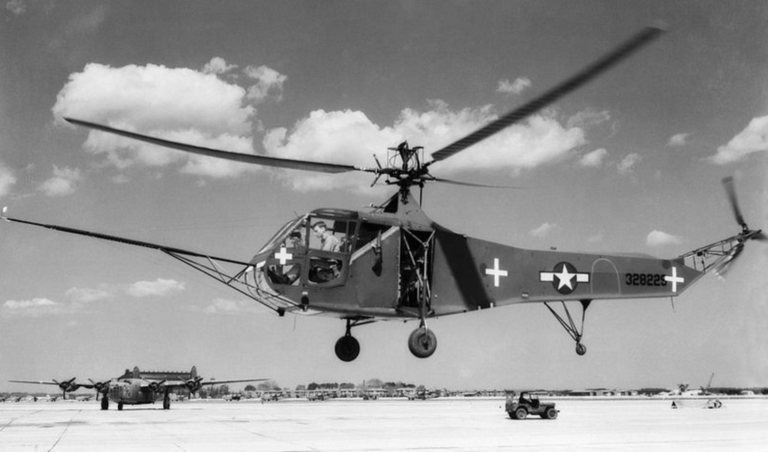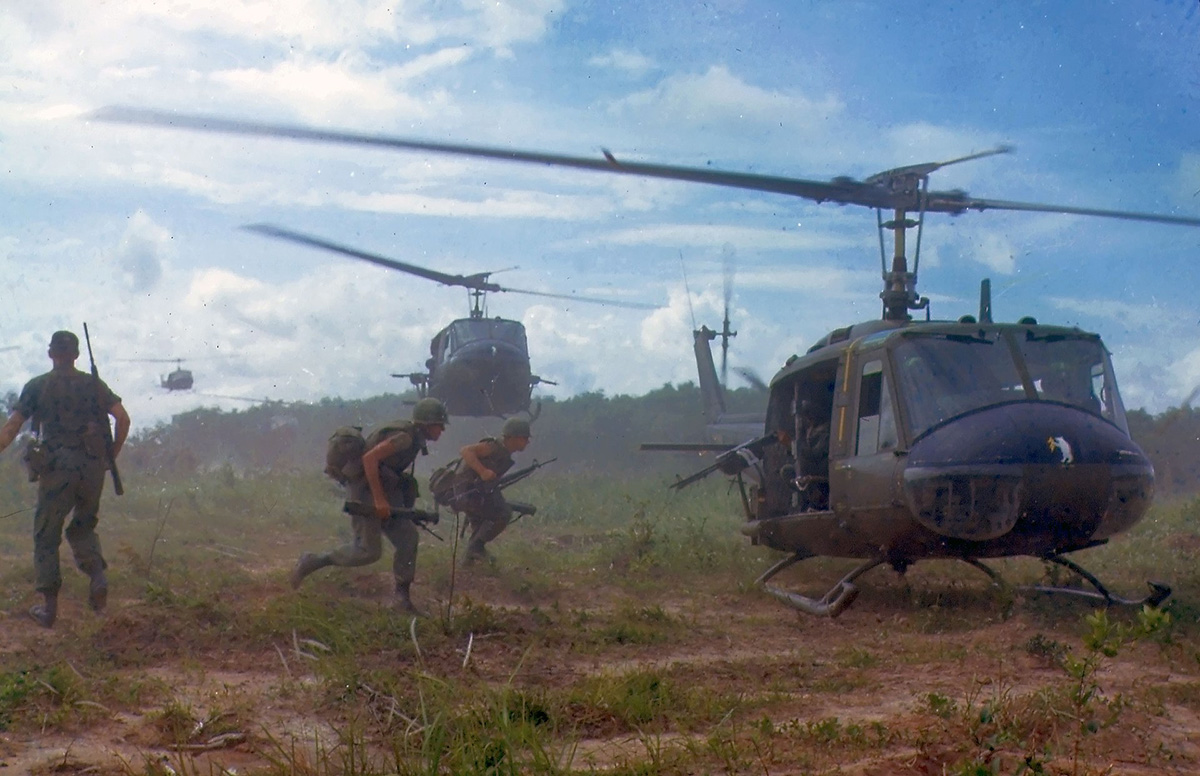
Troops loading Huey Helicopter in Vietnam
|

The Huey Helicopter and the Helicopter War

Introduction

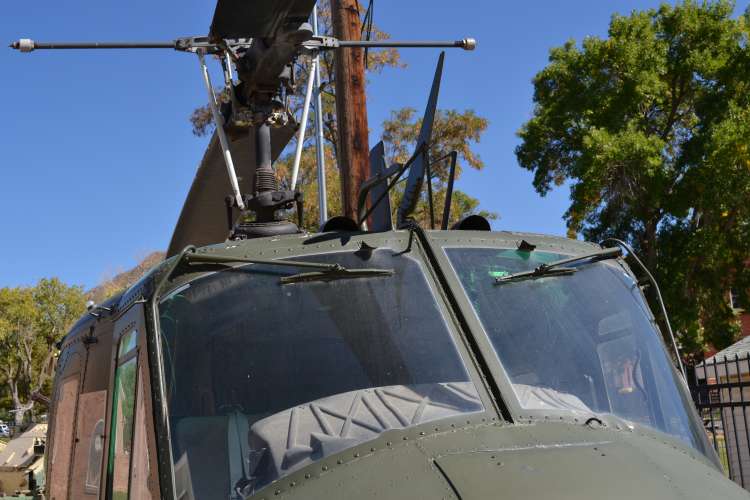
In 1968, the Huey Helicopter was synonymous with U.S. efforts in Vietnam. During critical times, such as the Tet Offensive, it proved invaluable. This article explores how the Huey shaped what became known as “the Helicopter War.

Undaunted Valor: An Assault Helicopter Unit in Vietnam, 1969-1970

An Illustrated History of Military Helicopters

A breathtaking adventure to experience the white knuckle moments of flight in Vietnam. Through a raw and vivid narrative of this true historical novel you experience first hand the experience of learning to fly and develop into a proficient combat helicopter pilot.

I have read this book twice and it still kept interested and intrigued. A bit teary eyed at the end both the first time I read it as well as the second. -Kikki

The Tet Offensive

Huey in Action

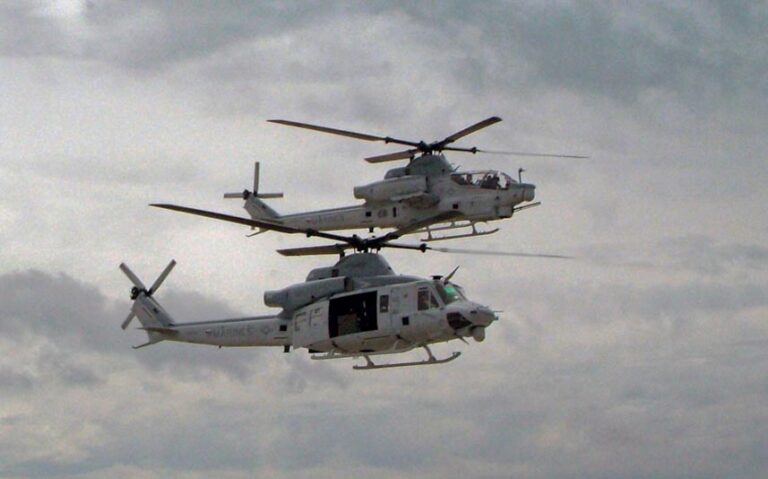
As U.S. troops reached over 535,000 in 1968, the Huey became a familiar sight. During the Tet Offensive, armed UH-1 gunships flew alongside combat zones, while UH-1 slicks delivered troops. If attacked, gunships would intervene, keeping the Viet Cong at bay. The AH-1G HueyCobra was introduced during this time.

Embassy Rescue

During the Tet Offensive, the U.S. Embassy in Saigon faced an attack. A Huey rescued staff from the roof. Ground forces fought with tanks and mortars, while Army Hueys provided air cover. UH-1 gunships from the 120th Assault Helicopter Company stopped the assailants, halting the attack on the U.S. Commander Headquarters.

The Huey’s Key Role
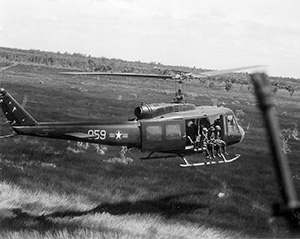
Huey Helicopter in Flying in Vietnam

Before, during, and after the Tet Offensive, the Huey’s ability to transport soldiers remained a key American weapon. Despite the danger, skilled pilots and crew flew the vulnerable Hueys, unafraid of the constant threat of being shot at.

Threats and Dangers

Small arms fire was the biggest threat to the helicopters. Though the Huey seemed resilient, this fire could penetrate the cockpit. Protection for pilots and crew was minimal, with infantrymen often resorting to sitting on helmets for safety.

Transformation into the Helicopter War

By the end of 1969, other helicopter models like the H-13, H-23, and H-34 were removed from the battlefield. It was hard to find a utility-sized helicopter in Vietnam that wasn’t a Huey. Consequently, the UH-1 transformed Vietnam into “the Helicopter War.”

Conclusion

In summary, the Huey Helicopter’s role in Vietnam was pivotal. Whether rescuing Embassy staff, providing air cover, or transporting troops, its impact was profound. The Huey not only shaped military tactics but defined an era, turning Vietnam into a war where helicopters were not just an asset but a defining feature.

Similar Posts

  • |

    Poland gets green light to buy Apache helicopters

    WASHINGTON — The State Department has cleared a sale of 96 AH-64E Apache attack helicopters worth about $12 billion to Poland, the Defense Security Cooperation Agency announced Aug. 21.

    The decision comes after the Polish Ministry of National Defence sent a letter of request to the U.S. government nearly a year ago to buy the Boeing-made helicopters for its armed forces.

  • AH-1W SuperCobra Helicopter – Taking the Fight to the Enemy

    The AH-1W SuperCobra twin-engined attach helicopter, delivered to the USMC from 1986, was developed from the ubiquitous AH-1, versions of which served the Army (AH-1G) and Marines (AH-1T SeaCobra).  They all have their roots in the Bell company’s 1950s studieds related to armed helicopters that led to the OH-13X modified version of the Bell 47/AH-47 Sious and the UH-1/AH-1 Huey/Model 209 HueyCobra. The later entered Army service as the AH-1G in the 1960’s, and were deployed to Vietnam as gunships from September 1967. 

  • The Comprehensive Guide to the Mil Mi-28 Helicopter

    Dive into the world of the Mil Mi-28 helicopter, an engineering marvel that stands tall in the annals of military aviation. This comprehensive guide unravels the rich tapestry of the “Night Hunter,” from its historical inception to its pivotal role on the global stage. Discover the technical intricacies that distinguish the Mi-28, the innovations that set it apart, and its comparative strengths against other iconic helicopters. Further, gain insights into its vast global footprint, from countries that deploy it as a strategic asset to the future upgrades that promise to elevate its prowess. This article is a treasure trove for military enthusiasts, researchers, and anyone intrigued by the blend of technology and strategy in the skies. Embark on a journey with the Mil Mi-28 helicopter, a testament to human ingenuity and a beacon of aerial excellence.

  • |

    The History of the Bell 47 Helicopter

    The Bell 47 Helicopter stands as a monumental icon in aviation history. Originating in the mid-20th century, it pioneered roles in both civilian sectors and combat zones. From its crucial interventions in the Vietnam War to its transformative impact on emergency medical services and agricultural tasks, the Bell 47’s versatility and design have left an indelible mark. Journey with us as we explore the rich tapestry of its legacy, innovations, and enduring significance in the world of rotary-wing aircraft.

  • |

    Helicopter Dustoffs in Vietnam

    Medevac helicopters revolutionized how wounded soldiers were treated in battle. 29% of all wounded US Soldiers died during World War II. This number was reduced to 26% during the Korean War due to advances in medical technology and the use of medevac helicopters like the Bell 47. This number was further reduced to 19% during the Vietnam War. To put the percentages in to perspective, medevac helicopters in Vietnam transported 400,000 wounded soldiers compared to 17,700 during the Korean War.

  • | |

    The Oldest Helicopters Still in Service Today

    Discover the fascinating journey of the oldest helicopters still in service today, a testament to human ingenuity and technological advancement. This detailed exploration delves into the rich history of iconic helicopters like the Sikorsky UH-1 Iroquois (Huey) and Boeing CH-47 Chinook, highlighting their remarkable longevity and enduring roles in both military and civilian sectors. From their early conceptual designs to their modern adaptations, these helicopters have evolved through continuous upgrades in avionics, engines, and structural materials.

    Our comprehensive analysis includes insights from aviation experts, comparative tables of technical specifications, and a look at future prospects and modernization programs. Learn how these helicopters have remained operational for decades, the critical missions they support, and the innovations that keep them relevant. Whether you are an aviation enthusiast, a history buff, or a professional in the field, this article offers a wealth of knowledge and intriguing insights into the resilient world of rotary-wing aircraft. Dive into the enduring legacy of these airborne workhorses and appreciate the technological marvels that keep them flying high.