History and Evolution of the Sikorsky UH-60 Black Hawk Helicopter
The Sikorsky UH-60 Black Hawk Helicopter is known for its resilience and robustness. The image of this helicopter streaking across the skies where military forces have deployed is ingrained in our collective memory. Notwithstanding the tragic events depicted in the movie ‘Black Hawk Down’, the Black Hawk helicopter continues to serve as a steadfast workhorse across all theatres of operations.
A Need for Change and the Birth of UTTAS
In the 1960s, amidst the crucible of the Vietnam War, the US Army recognized the urgent need to revise its battle tactics. The changing nature of warfare needed moving away from traditional set-piece battles and divisions of troops and armor. The future, it was clear, was in mobility, and the Army needed the necessary transport means to achieve it.
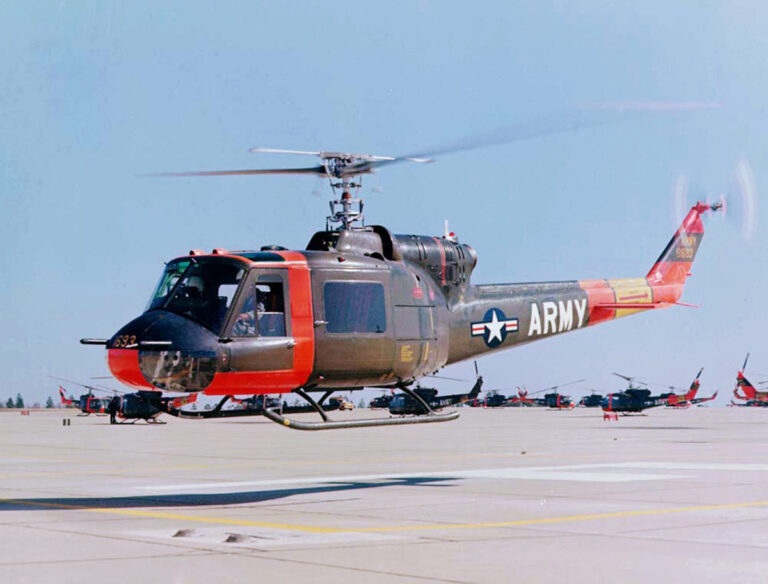
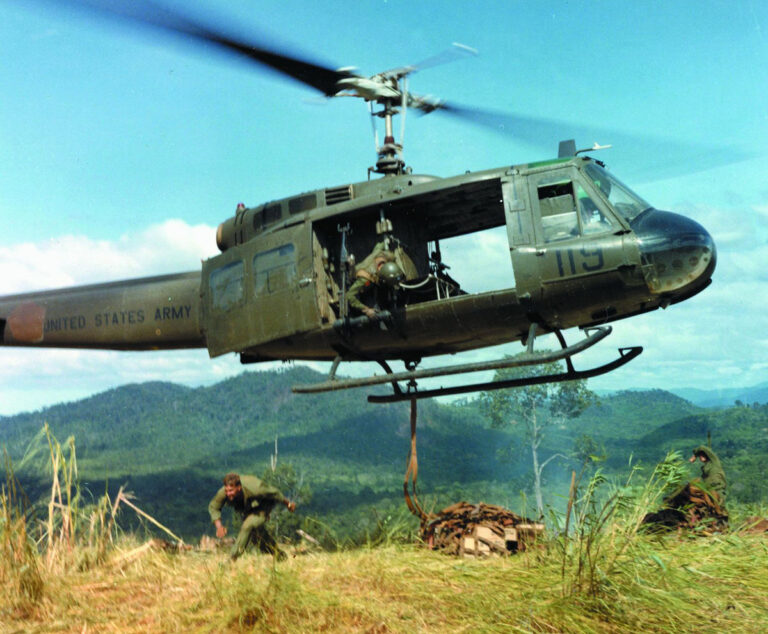
During this period, the Bell UH-1 Iroquois, or ‘Huey’, served as the primary medium-lift workhorse. But the exigencies of modern warfare called for its replacement. This led to the formulation of the Utility Tactical Transport Aircraft System (UTTAS) program. The lessons learned from the use of the UH-1, combined with the need for General Electric T700 turbine engines, lower costs, simpler maintenance, and higher reliability and survivability, were all factored into this new initiative.
The Sikorsky Aircraft Centennial: A Tribute by the Igor I. Sikorsky Historical Archives
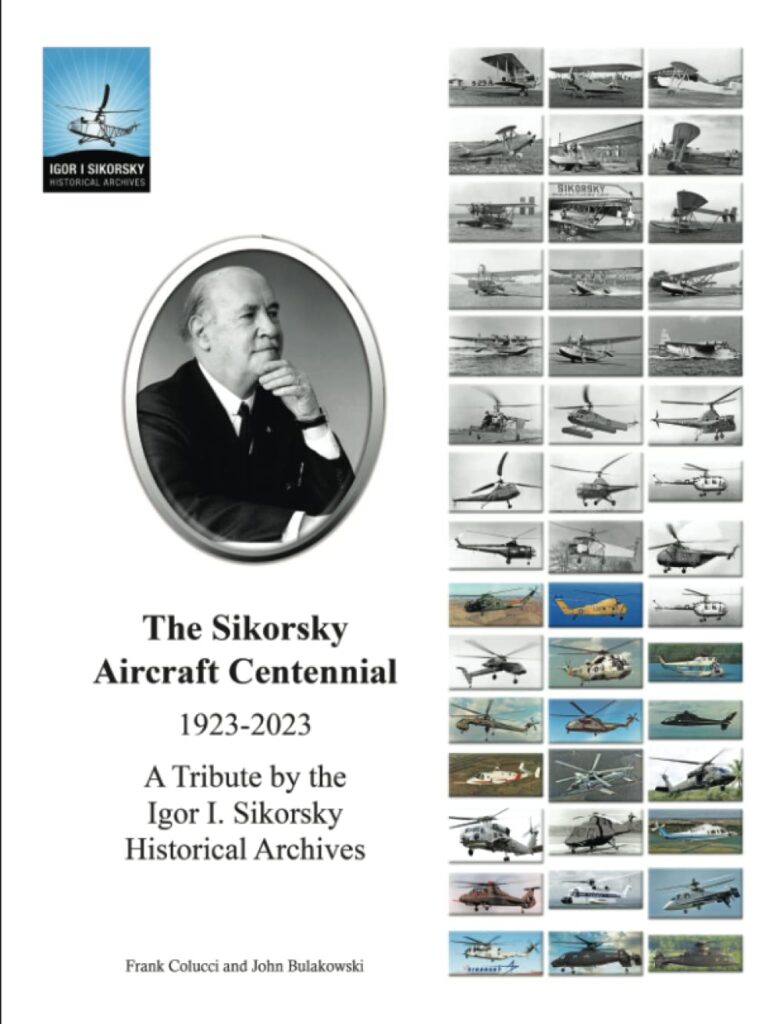
Igor Sikorsky was a pioneering Russian engineer and aviator driven from his home by revolution. The Sikorsky Aircraft Centennial 1923-2023, a Tribute by the Igor I. Sikorsky Historical Archives, documents his work in the United States and that of the pioneering American company that he founded. Ittraces the growth of Sikorsky Aircraft from a struggling fixed-wing aviation concern started on a Long Island farm to a world-leading helicopter manufacturer today headquartered in Connecticut. The book draws on archival documents, photos, and interviews to trace Sikorsky’s early contributions to commercial aviation and the revolution he brought about in vertical flight.
The Genesis of the Black Hawk
Both Sikorsky and Boeing-Vertol were approached to submit a new helicopter for consideration. Of the prototypes presented, Sikorsky’s YUH-60A was selected. Four of these were built in 1974, followed by extensive evaluations throughout 1975. In December 1976, the Army made the landmark decision to continue with the Sikorsky UH-60 design. This culminated in the first active service UH-60 Black Hawk helicopter delivered to the 101st Airborne Division in mid-1979, signifying the official replacement of the Iroquois.
Design and Performance
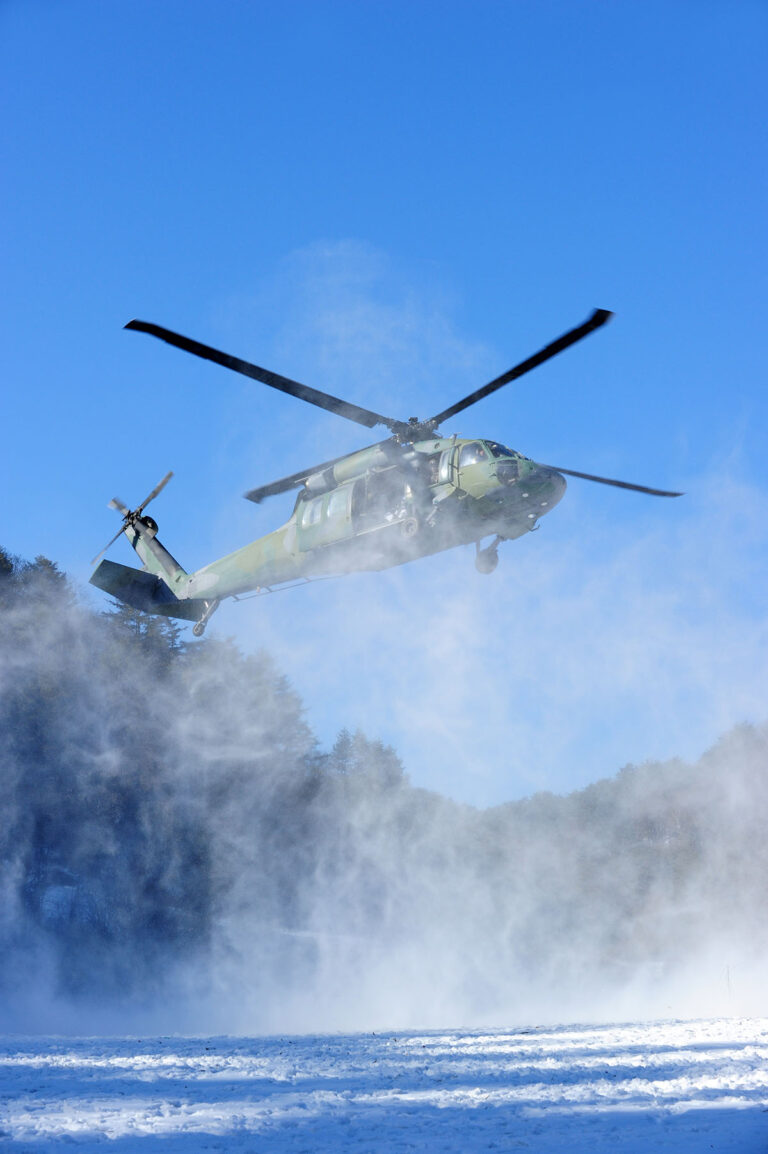
The Black Hawk helicopter boasts a distinctive profile among helicopters. With its flight deck upfront, separate doors for each crew member, and windows offering excellent visibility from all directions, the design enhances operational efficiency. The spacious cabin can accommodate up to 11 personnel or a substantial amount of cargo. The General Electric turboshaft engines power a four-blade main rotor and a four-blade tail rotor on the starboard side.
The UH-60 Black Hawk comes with a fixed wheel undercarriage, wire cutters, and a single tail wheel. It can achieve a cruising speed of 183 mph and an ’emergency’ speed of up to 222 mph. The combat radius varies between 368 and 1,380 miles depending on the configuration and can operate at altitudes up to 19,000 feet. The Black Hawk can carry an impressive payload of 2,6430lbs internally and 8,000lbs externally.
Evolution and Upgrades
The initial UH-60A Black Hawk was upgraded to the UH-60L in 1989. This newer model incorporated the T700-GE-701 engines and a stronger transmission to handle higher load capacities. It also introduced an Automatic Flight Control System (AFCS).
Then, in 2001, came the UH-60M. This model offered an even more powerful T700-GE-701D engine, improved rotor blades, multi-function displays, better avionics, flight controls, and navigation systems. The success of this upgrade led to a further order of 1,227 UH-60M Black Hawks.
Global Manufacturing and Diverse Applications
Manufacturing of the UH-60M Black Hawks primarily takes place at the Sikorsky Aircraft Corporation factory in Stratford, Connecticut. There is also licensed production in Japan and the Republic of Korea. The Black Hawk’s versatility allows it to carry out a variety of missions such as medical evacuation (medevac), command and control, search and rescue, armed escort, electronic warfare, and transport.
There are numerous versions of the UH-60 Black Hawk, including a medevac variant (UH-60Q), special forces versions (MH-60K and MH-60L), and a ‘silent’ version allegedly used in the takedown of Osama Bin Laden. Civilian variants, the VH-60D and VH-60N, named Nighthawk and Whitehawk respectively, are also in operation.
The Black Hawk in Combat
Since its introduction in 1979, the Sikorsky UH-60 Black Hawk helicopter has served in every military operation involving the US Army. From the invasion of Grenada in 1983 to Operation Desert Storm and Desert Shield in Iraq, and even currently active service in Afghanistan, the Black Hawk has proven its mettle.
One of the most infamous events involving the Black Hawk was the military action in Somalia. This action inspired the movie ‘Black Hawk Down’. During operations around Mogadishu, two Black Hawks were shot down by ground-to-air missiles. This resulted in significant American casualties, with 18 personnel killed and 73 wounded. These incidents were broadcast worldwide making the Black Hawk familiar to the public.
Beyond Military Operations
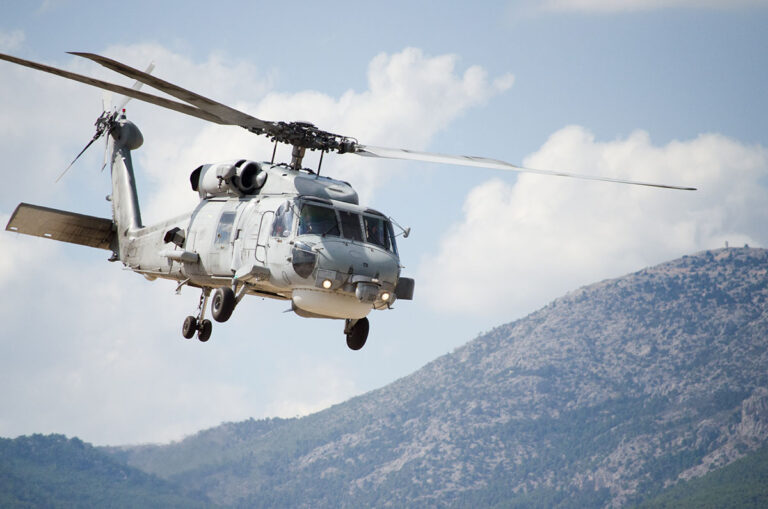
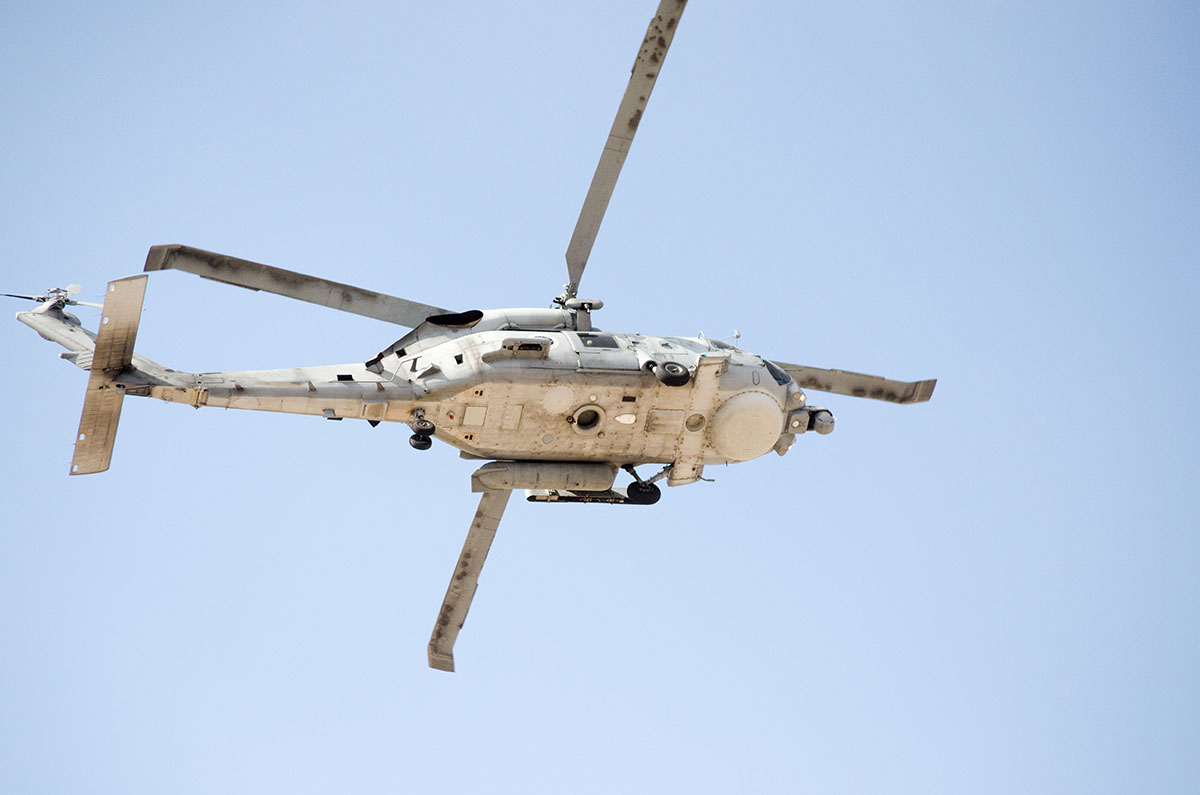
Aside from military purposes, the UH-60 Black Hawk used by the U.S. Border Patrol to monitor the southwest border. The Navy uses a variant, the SH-60 Seahawk, to perform various duties including search and rescue.
The Black Hawk Today
The UH-60 Black Hawk helicopter remains in active service and will continue so until the mid-2020s. In addition, it serves in several allied countries, including South Korea, Turkey, Australia, Brazil, Jordan, Egypt, Chile, Bahrain, and Mexico, among many others. It is this combination of durability, versatility, and global reach that truly sets the UH-60 Black Hawk apart, making it a critical asset in modern warfare.