The history of military helicopters

The History of Military Helicopters

Introduction

Military helicopters have become synonymous with prowess, agility, and formidable capabilities on the battlefield. Their evolution is a tale of innovation, strategy, and the race to dominate the skies in global military operations.

The Genesis of Military Helicopters

The Golden Era: Post World War II to Vietnam

Igor Sikorsky, although not the original inventor of the helicopter, made a significant mark in history by creating the world’s first functional and widely recognized helicopter. Considered the “Wright brothers” of helicopter flight, Sikorsky’s pioneering design would set the blueprint for generations of helicopters. In 1944, the US Coast Guard experienced Sikorsky’s genius firsthand, marking the genesis of US military helicopters.

Interestingly, the United States was not the pioneer in military helicopter usage. Both England and Nazi Germany had dabbled with helicopters during World War II. These, however, were prototypes chosen for rescue missions and reconnaissance, not direct combat.
The Cobra Helicopter - The History of Military Helicopters
The Cobra Helicopter – The History of Military Helicopters

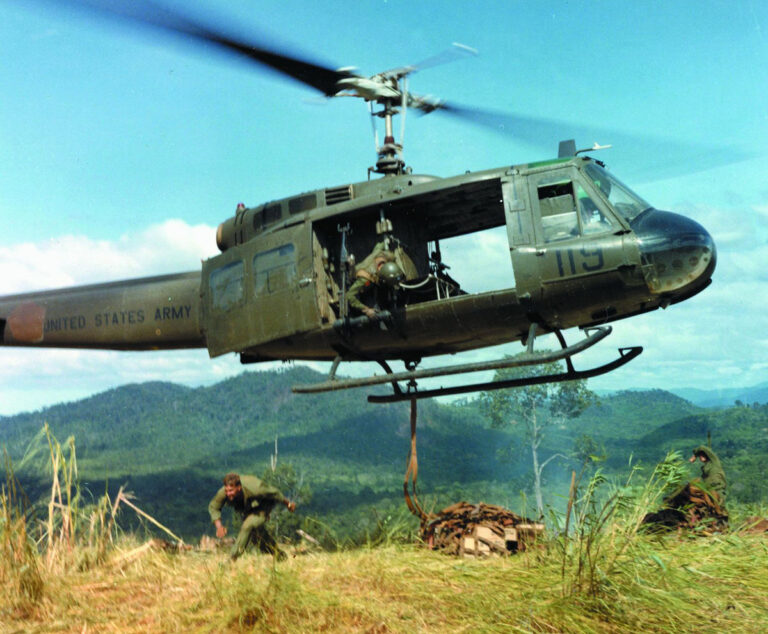
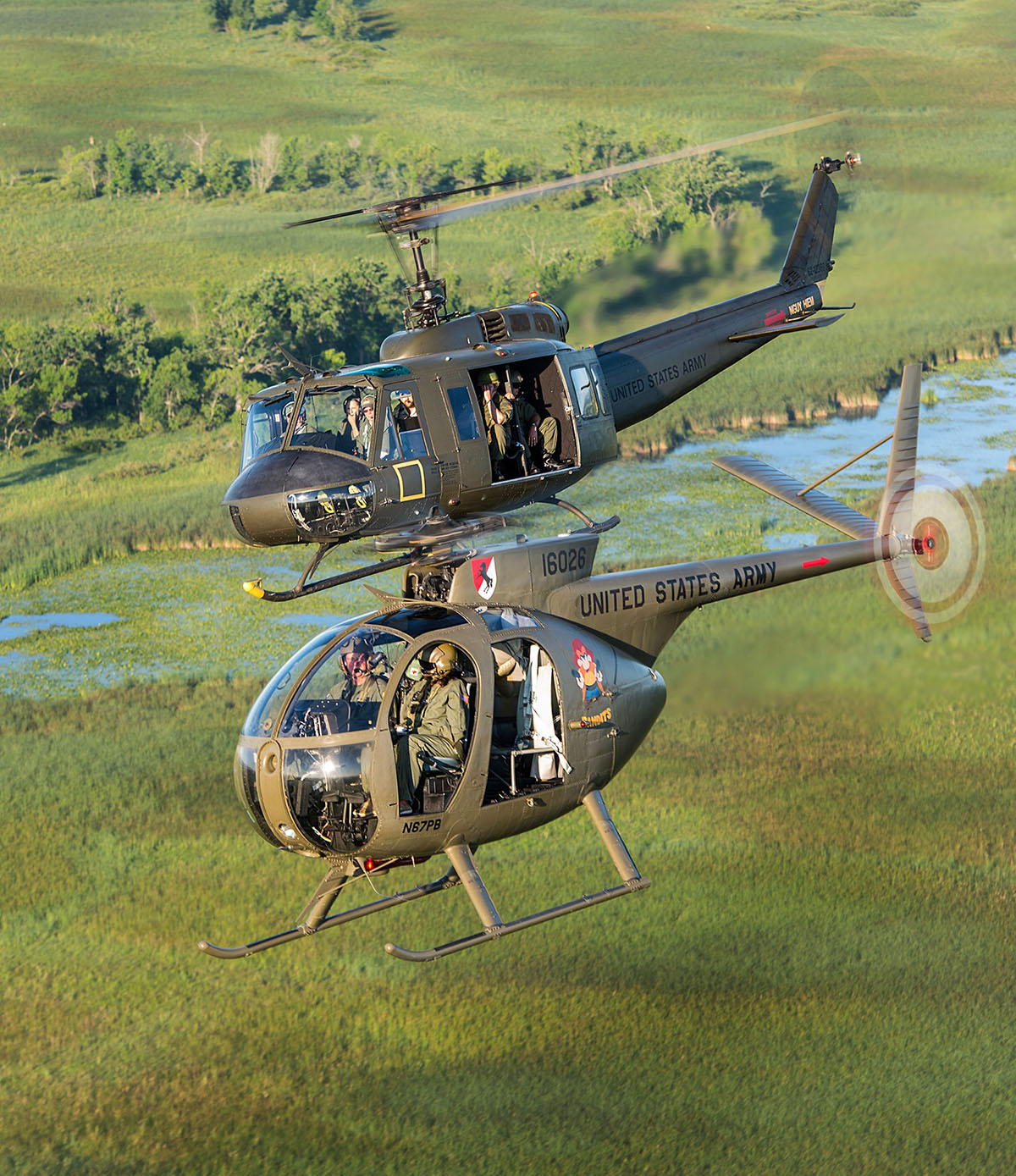
The cessation of World War II until the advent of the Vietnam War in 1959 saw a transformative period in military helicopter development. The star of this era was undoubtedly the “Huey”, formally known as the Bell UH-1. Developed in the mid-1950s and introduced in 1959, the Huey’s versatile nature made it perfect for Vietnam’s challenging terrains and guerilla warfare conditions. Serving multiple roles, from transport to medevac and combat support, the Huey helicopter symbolized the growing indispensability of military helicopters in modern warfare.

Post-Vietnam Evolution: From Huey to Apache

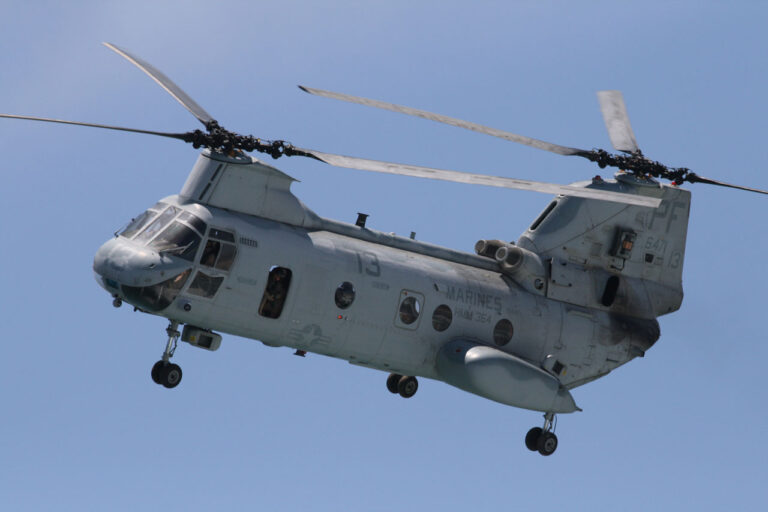
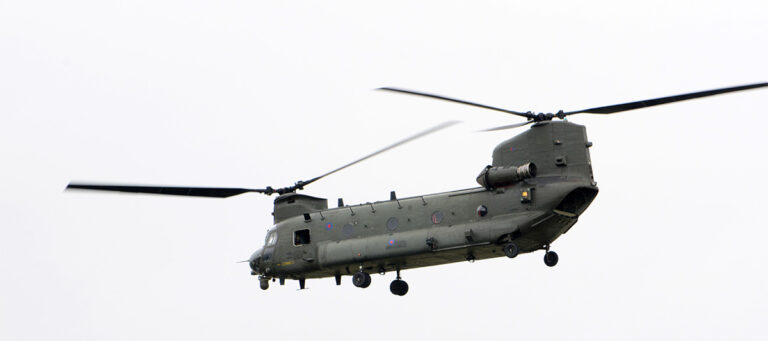
As the 1960s ended, the colossal Chinook began to overshadow the Huey helicopter. This transport behemoth became an essential asset, especially in Middle Eastern conflicts, ensuring troops and resources could be effectively transported.

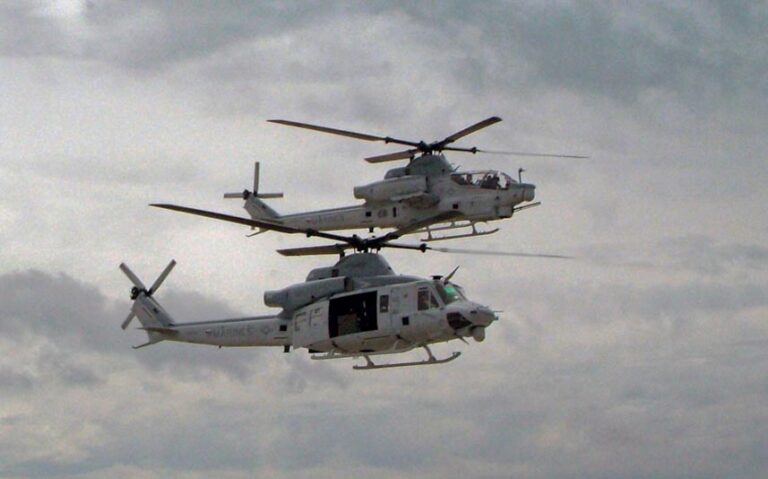
The 1980s then brought the significant change: the Apache attack helicopter. Introduced in 1984, the Apache helicopter proved itself not only as a formidable force on the battlefield but also etched its way into popular culture. Its legacy, with pilots who proudly recite, “Don’t bother running, you’ll die tired,” speaks of its impact.

An Illustrated History of Military Helicopters

An Illustrated History of Military Helicopters

A complete history of Army and Navy helicopters from the first visionaries to unmanned aircraft systems. This book, with over 200 helicopter photographs documents every generation of rotorcraft from early prototypes to the specialist helicopters of today.

Amazing text. As a Veteran helicopter mechanic I am passionate about all birds and their histories. Highly recommend this book. It sits firmly on my coffee table to spread the allure to friends and visitors alike. – John J.

Conclusion

From Sikorsky’s foundational designs to the modern-day Apaches, military helicopters have undergone a revolutionary transformation. With rapid advancements in technology and strategic military needs, the future of combat helicopters promises to be even more thrilling. Aside from that look ahead, there is no doubt that these machines will continue to play pivotal roles in defense and warfare, bearing testament to the genius of past innovators and the vision of future engineers.

Similar Posts

  • AH-1W SuperCobra Helicopter – Taking the Fight to the Enemy

    The AH-1W SuperCobra twin-engined attach helicopter, delivered to the USMC from 1986, was developed from the ubiquitous AH-1, versions of which served the Army (AH-1G) and Marines (AH-1T SeaCobra).  They all have their roots in the Bell company’s 1950s studieds related to armed helicopters that led to the OH-13X modified version of the Bell 47/AH-47 Sious and the UH-1/AH-1 Huey/Model 209 HueyCobra. The later entered Army service as the AH-1G in the 1960’s, and were deployed to Vietnam as gunships from September 1967. 

  • Korean War and the Medevac Helicopter

    The development of helicopters during and after the Second World War proved the value and utility of rotary wing aircraft in combat situations. So much so that the Army, Navy and Air Force all set up their own helicopter development units.

    This enabled a shift in how critical care was delivered in combat. During previous conflicts, medical stations had to be as close to the front line as possible to shorten the path to care. This led to obvious risks and compromises in both treatment and conditions.  The advent of medevac helicopter meant that field hospitals could be set up in central locations and have patients delivered to them. That meant better care, better conditions and the ability to recover after operations before being evacuated. That alone saved hundreds of lives.

  • Unleashing Power: The CH-53 Sea Stallion Helicopter’s Evolution And Impact

    Designed as a heavy assault transport helicopter for the Marine Corps, the initial Sea Stallion CH-53A version of the Sikorsky S-65 was basically a considerably enlarged version of the S-61, but with a conventional fuselage instead of a boat hull.  The dynamic parts – gearboxes, transmission and rotors – were based on those of the CH-54 (S-64) but with the main rotor having a titanium hub and folding blades. 

  • The Comprehensive Guide to the Mil Mi-28 Helicopter

    Dive into the world of the Mil Mi-28 helicopter, an engineering marvel that stands tall in the annals of military aviation. This comprehensive guide unravels the rich tapestry of the “Night Hunter,” from its historical inception to its pivotal role on the global stage. Discover the technical intricacies that distinguish the Mi-28, the innovations that set it apart, and its comparative strengths against other iconic helicopters. Further, gain insights into its vast global footprint, from countries that deploy it as a strategic asset to the future upgrades that promise to elevate its prowess. This article is a treasure trove for military enthusiasts, researchers, and anyone intrigued by the blend of technology and strategy in the skies. Embark on a journey with the Mil Mi-28 helicopter, a testament to human ingenuity and a beacon of aerial excellence.

  • |

    Helicopter Dustoffs in Vietnam

    Medevac helicopters revolutionized how wounded soldiers were treated in battle. 29% of all wounded US Soldiers died during World War II. This number was reduced to 26% during the Korean War due to advances in medical technology and the use of medevac helicopters like the Bell 47. This number was further reduced to 19% during the Vietnam War. To put the percentages in to perspective, medevac helicopters in Vietnam transported 400,000 wounded soldiers compared to 17,700 during the Korean War.

  • The History And Evolution Of Military Helicopters

    Introduction: A Journey Through the Evolution of Military Helicopters In this article, we begin an enlightening journey through the intriguing history of military helicopters. From the earliest experiments in the 1940s, we’ll chart the evolution to today’s sophisticated, multi-role aircraft. This captivating narrative highlights how these incredible machines have dramatically transformed warfare. The next section…