More CH-47 Chinook Helicopter History
The Genesis of the CH-47
The Boeing CH-47 Chinook Helicopter has a storied history. Initially developed as an expansion of the Vertol Model 107, it was favored by the Army. Why? Because of its substantial carrying capacity. Its prototype took to the skies on September 21, 1961, and the Army welcomed the CH-47A Chinook in 1972.
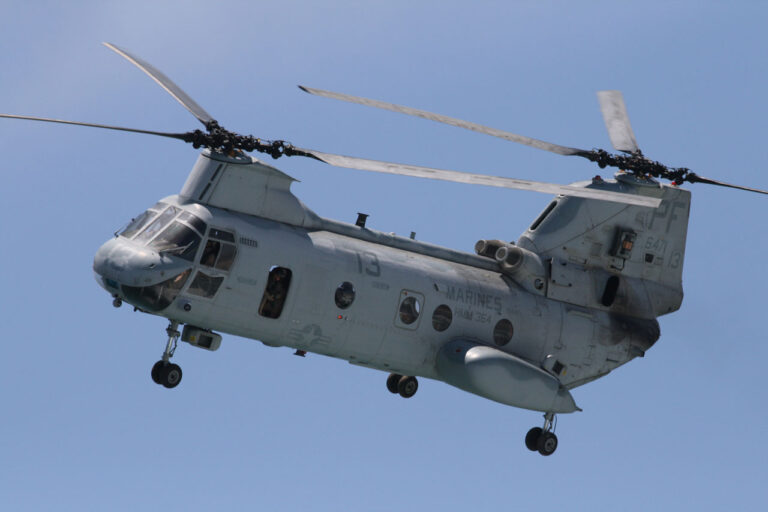
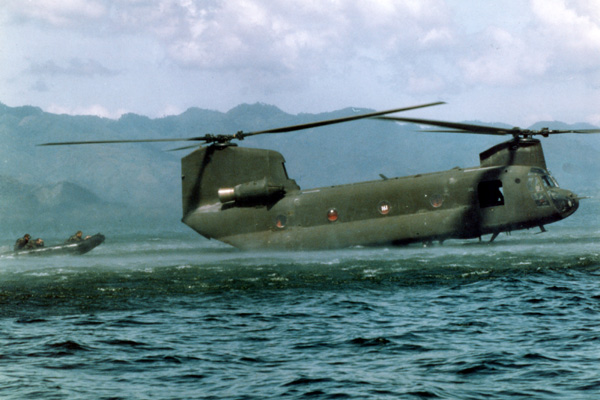
These large twin rotors, combined with a roomy fuselage and cutting-edge turboshaft engines, provided a level of airlift ability previously unseen. Furthermore, the design of the Chinook’s fuselage is primarily free from obstructions, housing the engine and gearbox in pylons and fuel in side pods.
The Unique Features
What sets the Chinook apart? A rear double door that enables seamless access for cargo or small vehicles. This helicopter provides seats down the fuselage for 33 troops, but it can carry up to 55. Astoundingly, one Chinook helicopter even reportedly lifted 147 refugees at the end of the Vietnam War.
This is the CH-47 Chinook
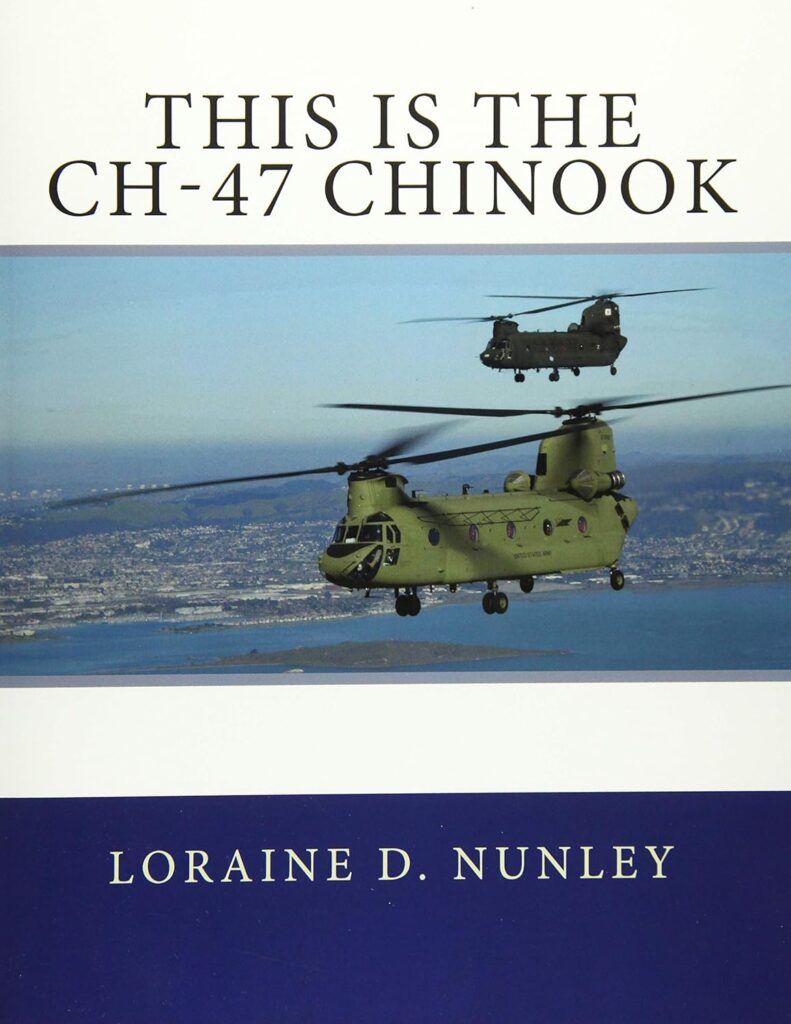
The CH-47 Chinook aircraft is one of the most reliable and efficient transport helicopters in the world. Its ability to fly fast and transport heavy loads in many different climates and wind conditions make it an invaluable part of military transport aircraft. This book is intended to introduce children to this important helicopter through striking photographs. Adults may also find themselves fascinated by the remarkable capabilities of this machine.
Engine Development and Variants
The Chinook’s engines have seen constant enhancement. From the CH-47A’s power increase to the CH-47B’s further increase, and the CH-47C’s tripled power, innovation didn’t stop there. Then came the CH-47D, boasting even more power and features like NVG compatibility and extra hooks. This model doubled the original lift capacity, leading the Army to standardize it. Subsequently, about 470 earlier models were refurbished to the CH-47D standard.
Special Operations Variants
Some Chinooks were tailor-made for Special Operations Forces, branded as MH-47. Unique features include a 29ft 5in refueling probe and a nose for weather radar. Eleven MH-47Es were ordered, boasting enhanced communication and navigation. Though not armed inherently, they usually carry two mini-guns. The late 1980s saw the development of an upgraded MH-47E with larger fuel pods.
In 2001, plans were announced for the MH-47G, utilizing MH-47Ds with advanced navigation. Moreover, a proposal to upgrade CH-47Ds to CH-47F standard was made. These enhancements would involve fitting more powerful engines, vibration reduction equipment, and state-of-the-art avionics.
A Workhorse in Combat
Since 1965, when the Chinook helicopters began their combat duty in Southeast Asia, they’ve been the backbone for both regular and special ops forces in the Army. Their continuous evolution in design, capacity, and capabilities solidifies their place as a critical component in modern warfare.
Conclusion
The Boeing CH-47 Chinook Helicopter is more than just a means of transport; it’s a symbol of innovation, versatility, and reliability. From rescuing refugees to supporting elite troops, the Chinook continues to push the boundaries of what’s possible, marking its legacy in the annals of military aviation history.
Frequently Asked Questions
When was the first Boeing CH-47 Chinook Helicopter flown?
The prototype of the CH-47 Chinook was first flown on September 21, 1961.
What are the major developments in Chinook’s engine?
The Chinook’s engine underwent several improvements, with increased power across the models CH-47A to CH-47D, and new designs for rotor blades.
How many refugees were lifted by a Chinook at the end of the Vietnam War?
At the end of the Vietnam War, one Chinook was reported to have lifted 147 refugees.
What are the special features of the MH-47 Chinook variant?
The MH-47 variants are used by Army’s Special Operations Forces, featuring a refueling probe, weather radar nose, and optional mini-guns.
When did Chinook helicopters first see combat duty?
Chinook helicopters first saw combat duty in Southeast Asia in 1965.