Medevac Helicopters in the Medical Field
Origins in Battlefield Rescue
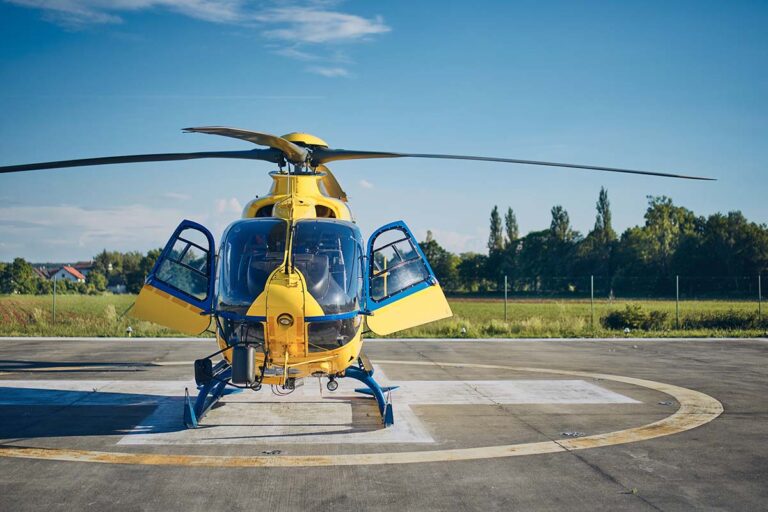
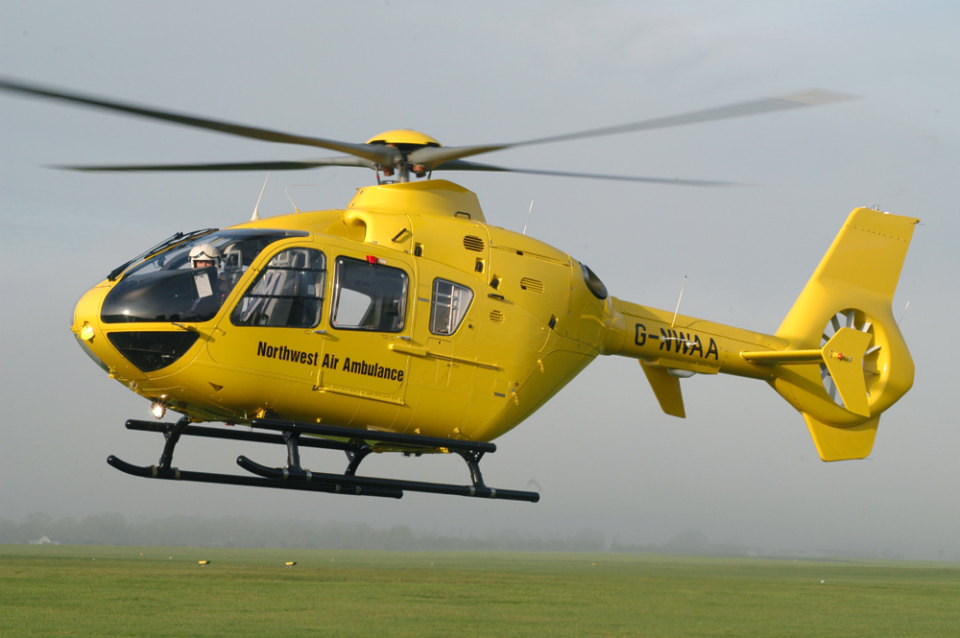
Helicopters, synonymous with adaptability and speed, have cemented their role in various sectors, both military and civilian. One of their paramount contributions remains medevac, or medical evacuation, a service that has transformed emergency medical responses. This airborne ambulance’s ability to arrive faster, more safely, and smoother than ground-based ambulances has made it a game-changer in life-saving missions.
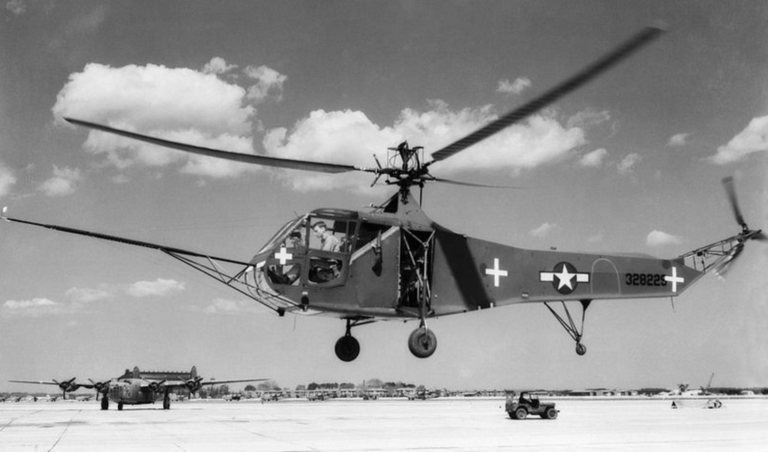
The inception of helicopter medevac traces back to World War 2, specifically in Burma, 1944. A U.S. Army Sikorsky YR-4B chopper made history by rescuing three wounded troops from Mawlu. Limited in capacity, the helicopter had to make multiple trips to ensure everyone’s safety. From this mission, the indomitable spirit of rescue teams using helicopters was born, marking a shift in battlefield extraction methods.

The Dawn of Civilian Air Ambulances
Post-war, the concept extended its wings to civilian life. In 1947, the Schaefer Air Service was established in Saskatchewan, Canada, under the guidance of J. Walter Schaefer, heralding the era of civilian air ambulance services. The Korean War, with its rugged terrains and shifting battlefronts, further solidified the helicopter’s medevac reputation. Here, the Sikorsky S-51 and Bell H-13 helicopters played pivotal roles in frontline extractions, often being the only realistic lifeline for injured soldiers.
Experimentation and State-wide Initiatives The 1960s marked an era of experimentation and expansion. In 1959, the U.S. government-initiated Project CARESOM to evaluate helicopters’ potential in civilian medevac roles. Although short-lived, this project’s legacy lived on in Hattiesburg, Louisiana. Maryland, recognizing the potential, procured four Bell Jet Rangers, pioneering a state-wide helicopter medevac program.
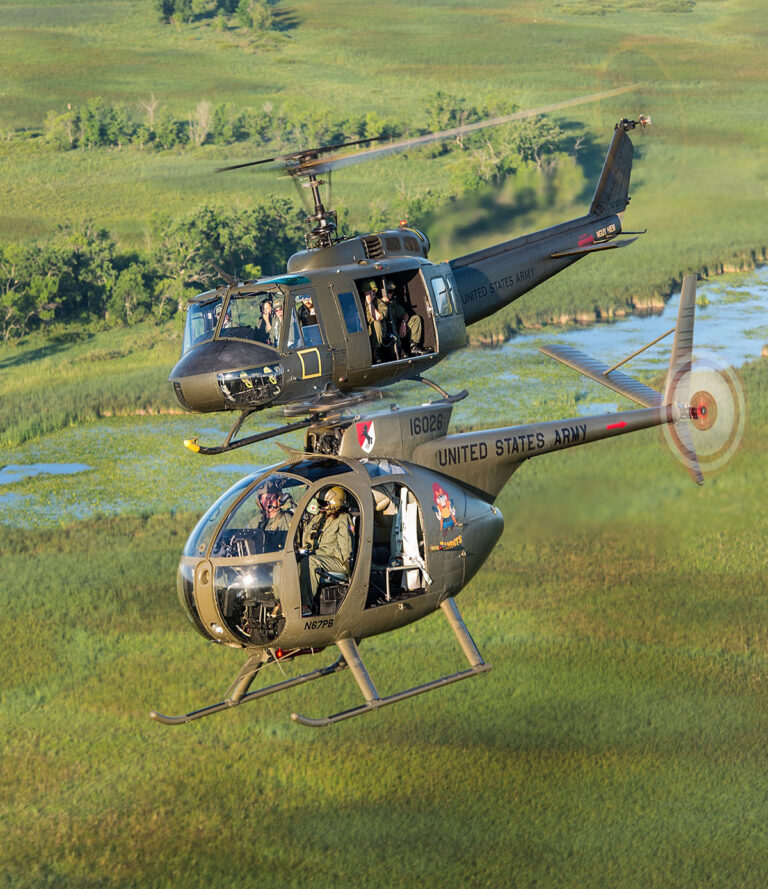
Advancements Beyond the Battlefield The Vietnam War reintroduced the harsh realities of combat, with terrains as challenging as Korea’s. The Bell UH-1 Huey became the workhorse for medevac, standing testament to its design and functionality. Its services spanned decades, right into the 21st century, a testament to its timeless design and irreplaceable role.
Medevac’s evolution was not confined to wars. In 1972, Colorado’s Fight for Life bought an Alouette III for medevac services from St. Anthony Central Hospital in Denver. 1977 saw Canada advancing medevac capabilities. The Ontario Ministry of Health began on-site paramedical services, allowing helicopters not just to transport but also administer critical care right at the incident site. Later, in 1981, Mercy Flight WNY emerged to cater to New York State, establishing itself as one of the largest non-profit medevac organizations.
Helicopter Rescues Vietnam: True stories of helicopter rescues as told by the men who flew them

On August 6, 2011, a US Army CH-47D Chinook helicopter approached a landing zone in Afghanistan 40 miles southwest of Kabul. The helicopter, call sign Extortion 17, was on a mission to reinforce American and coalition special operations troops. It would never return. Insurgents fired at the Chinook, severed one of its rear rotor blades, and brought it crashing to the ground. All 38 onboard perished instantly in the single greatest moment of sacrifice for Americans in the war in Afghanistan.True stories of daring helicopter rescues as told by the men who flew them. Twenty two missions flown by youthful helicopter crews in service to their country and to their fellow comrades during the Vietnam War.
The Modern Impact of Medevac Helicopters
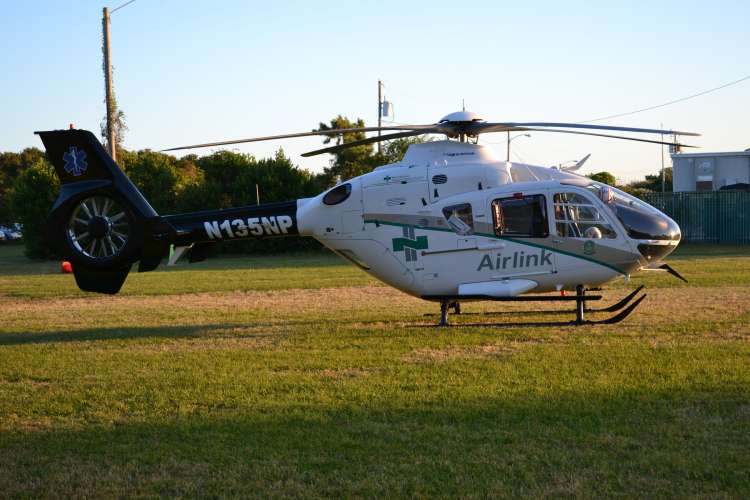
Today, the U.S. alone boasts over 200 medevac operators, providing unparalleled rapid-response medical services. The impact of these helicopters on emergency medical care is immeasurable. Their introduction has exponentially decreased head injury mortality rates, shrunk the crucial window between an incident and the arrival of the first responder, and overall, has played a pivotal role in saving countless lives.
In summary, from wartime terrains to urban emergencies, medevac helicopters have continuously proven their indispensability. Their evolution and the countless lives saved echo a singular sentiment: in the golden hour of medical emergencies, the whirr of rotor blades often heralds hope.