The history of military helicopters

The History of Military Helicopters

Introduction

Military helicopters have become synonymous with prowess, agility, and formidable capabilities on the battlefield. Their evolution is a tale of innovation, strategy, and the race to dominate the skies in global military operations.

The Genesis of Military Helicopters

The Golden Era: Post World War II to Vietnam

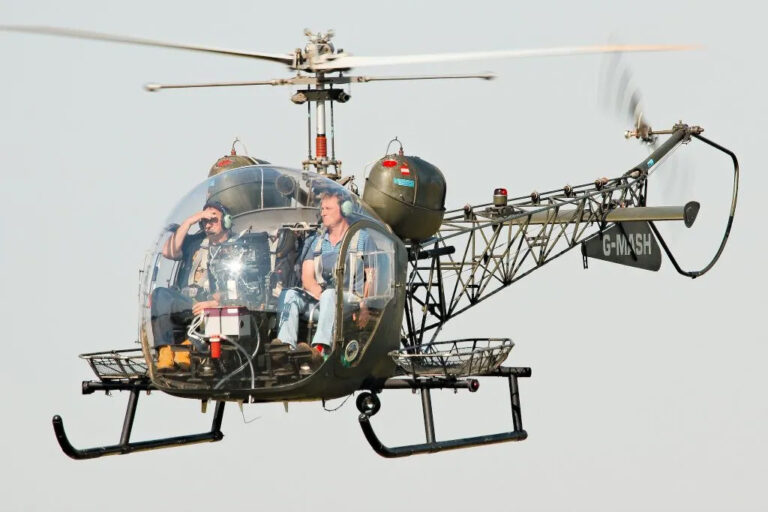
Igor Sikorsky, although not the original inventor of the helicopter, made a significant mark in history by creating the world’s first functional and widely recognized helicopter. Considered the “Wright brothers” of helicopter flight, Sikorsky’s pioneering design would set the blueprint for generations of helicopters. In 1944, the US Coast Guard experienced Sikorsky’s genius firsthand, marking the genesis of US military helicopters.

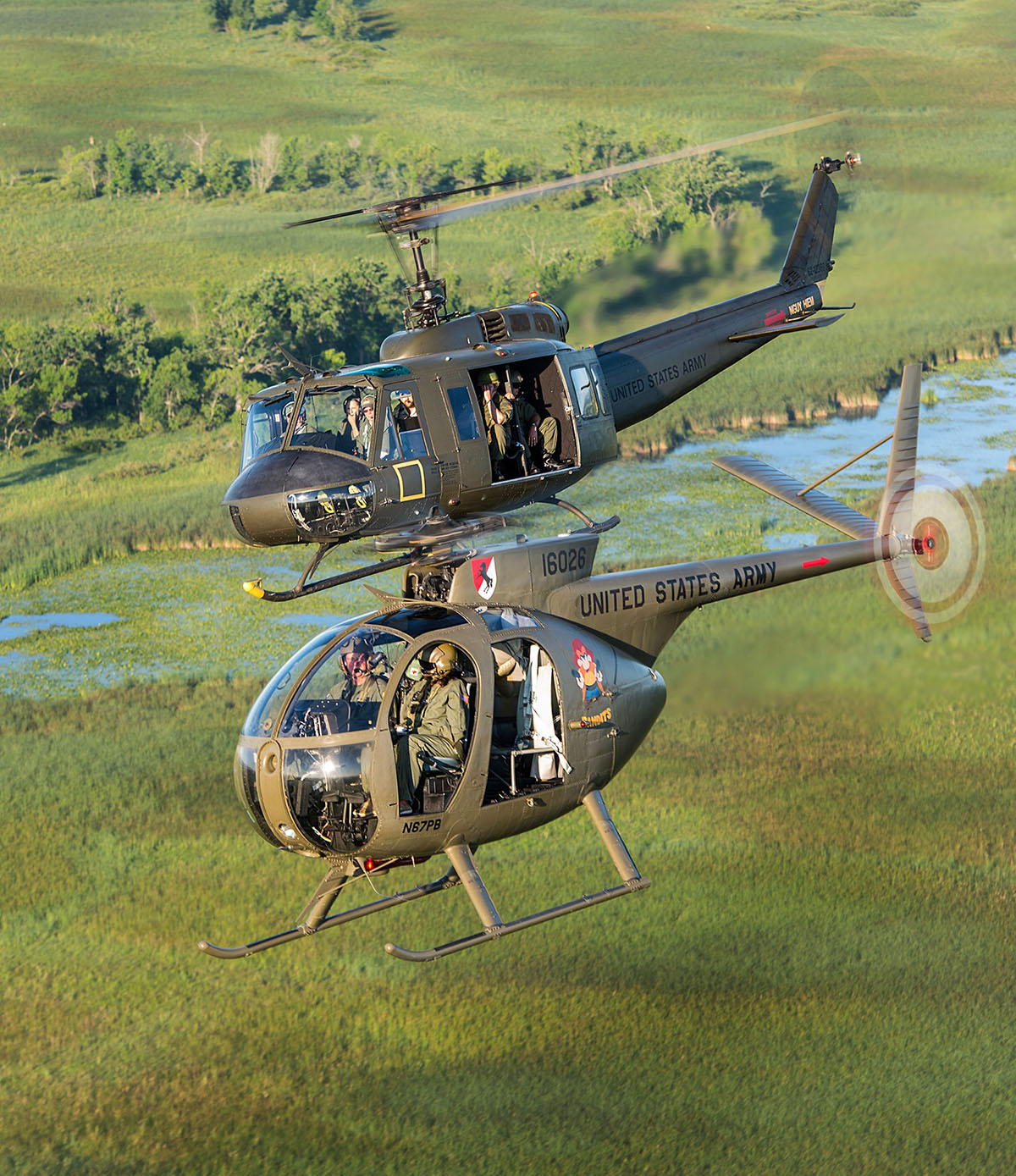
Interestingly, the United States was not the pioneer in military helicopter usage. Both England and Nazi Germany had dabbled with helicopters during World War II. These, however, were prototypes chosen for rescue missions and reconnaissance, not direct combat.
The Cobra Helicopter - The History of Military Helicopters
The Cobra Helicopter – The History of Military Helicopters

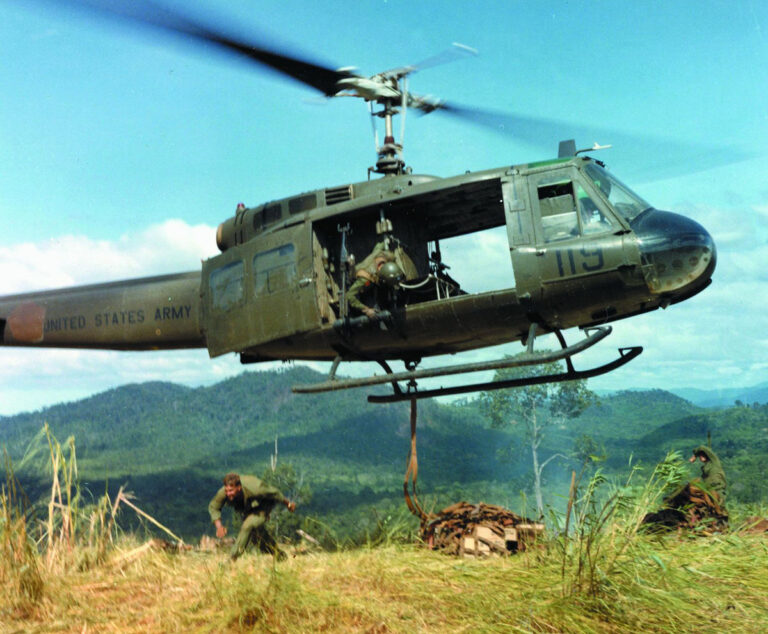
The cessation of World War II until the advent of the Vietnam War in 1959 saw a transformative period in military helicopter development. The star of this era was undoubtedly the “Huey”, formally known as the Bell UH-1. Developed in the mid-1950s and introduced in 1959, the Huey’s versatile nature made it perfect for Vietnam’s challenging terrains and guerilla warfare conditions. Serving multiple roles, from transport to medevac and combat support, the Huey helicopter symbolized the growing indispensability of military helicopters in modern warfare.

Post-Vietnam Evolution: From Huey to Apache

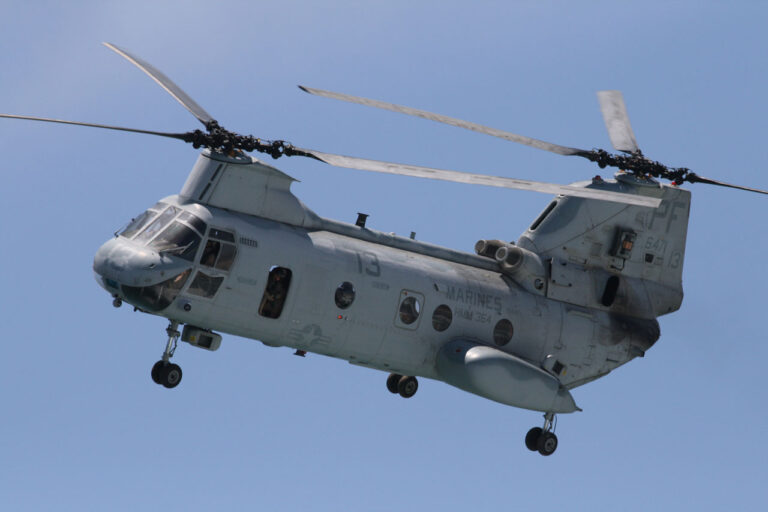
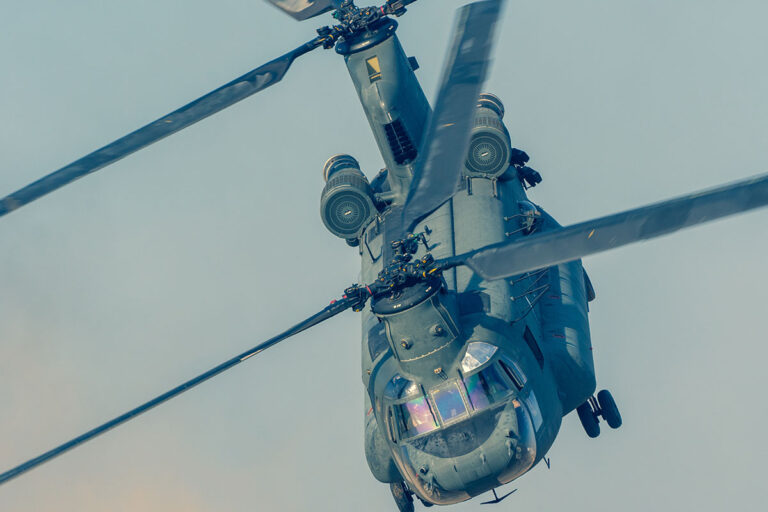
As the 1960s ended, the colossal Chinook began to overshadow the Huey helicopter. This transport behemoth became an essential asset, especially in Middle Eastern conflicts, ensuring troops and resources could be effectively transported.

The 1980s then brought the significant change: the Apache attack helicopter. Introduced in 1984, the Apache helicopter proved itself not only as a formidable force on the battlefield but also etched its way into popular culture. Its legacy, with pilots who proudly recite, “Don’t bother running, you’ll die tired,” speaks of its impact.

An Illustrated History of Military Helicopters

An Illustrated History of Military Helicopters

A complete history of Army and Navy helicopters from the first visionaries to unmanned aircraft systems. This book, with over 200 helicopter photographs documents every generation of rotorcraft from early prototypes to the specialist helicopters of today.

Amazing text. As a Veteran helicopter mechanic I am passionate about all birds and their histories. Highly recommend this book. It sits firmly on my coffee table to spread the allure to friends and visitors alike. – John J.

Conclusion

From Sikorsky’s foundational designs to the modern-day Apaches, military helicopters have undergone a revolutionary transformation. With rapid advancements in technology and strategic military needs, the future of combat helicopters promises to be even more thrilling. Aside from that look ahead, there is no doubt that these machines will continue to play pivotal roles in defense and warfare, bearing testament to the genius of past innovators and the vision of future engineers.

Similar Posts

  • |

    Poland gets green light to buy Apache helicopters

    WASHINGTON — The State Department has cleared a sale of 96 AH-64E Apache attack helicopters worth about $12 billion to Poland, the Defense Security Cooperation Agency announced Aug. 21.

    The decision comes after the Polish Ministry of National Defence sent a letter of request to the U.S. government nearly a year ago to buy the Boeing-made helicopters for its armed forces.

  • CH-46 Sea Knight Helicopter – Workhorse of the Navy

    The CH-46 Sea Knight Helicopter has been the workhorse of the Navy and Marine Corps medium-lift squadrons since it entered service in June 1964.  It was developed as the Vertol Model 107, which was also being designed for the civilian market, and was first flown on April 22, 1958.  An initial trial batch was ordered by the Army but this was redued when Vertol published drawings of the enlarged Model 114 which became the Chinook.  By 1960 Vertol had been absorbed into Boeing.

  • | | |

    Fly in a Huey Helicopter While In Cape Town

    This is an awesome video of the Huey Helicopter.  The video is of a ride that’s available in Cape Town, Africa.  The riders get to ride in a Huey that’s flown as a pilot would have flown in the Vietnam War.  The video is well put together and has some great inside and outside shots of the Huey Helicopter.

    I know I want to get to Cape Town and go for a ride!  Looks like a ton of fun!

  • | |

    The Oldest Helicopters Still in Service Today

    Discover the fascinating journey of the oldest helicopters still in service today, a testament to human ingenuity and technological advancement. This detailed exploration delves into the rich history of iconic helicopters like the Sikorsky UH-1 Iroquois (Huey) and Boeing CH-47 Chinook, highlighting their remarkable longevity and enduring roles in both military and civilian sectors. From their early conceptual designs to their modern adaptations, these helicopters have evolved through continuous upgrades in avionics, engines, and structural materials.

    Our comprehensive analysis includes insights from aviation experts, comparative tables of technical specifications, and a look at future prospects and modernization programs. Learn how these helicopters have remained operational for decades, the critical missions they support, and the innovations that keep them relevant. Whether you are an aviation enthusiast, a history buff, or a professional in the field, this article offers a wealth of knowledge and intriguing insights into the resilient world of rotary-wing aircraft. Dive into the enduring legacy of these airborne workhorses and appreciate the technological marvels that keep them flying high.

  • Army Helicopter Pilots Are Specially Trained

    Army helicopter pilots are specially trained for combat missions and flying in challenging conditions. Becoming an army helicopter pilot must be one of the most exciting careers there is. You could be ferrying troops or ammunition in a Chinook helicopter, scouting in a Kiowa, working special operations in a Black Hawk helicopter, or controlling the…

  • The Kamov Ka-50 Odyssey: Russia’s Helicopter Revolution in the Skies

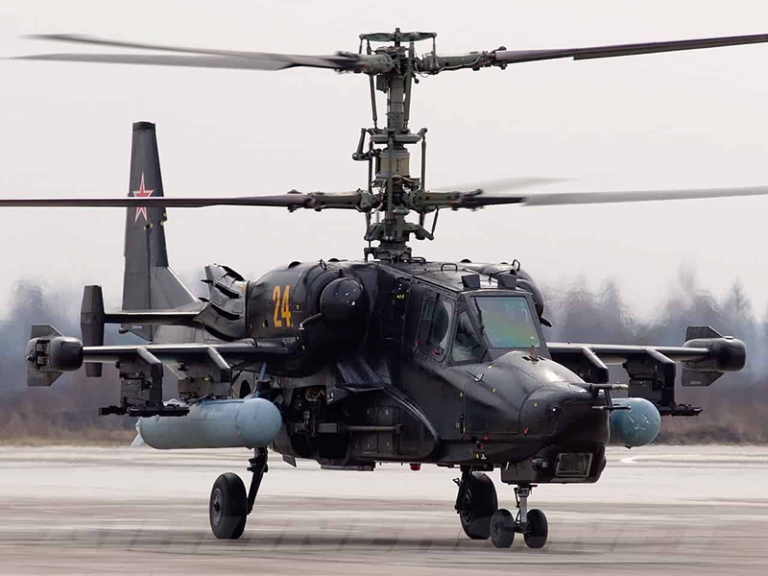
    Discover the unparalleled legacy of the Kamov Ka-50, a true marvel in the world of military aviation. Affectionately known as the ‘Black Shark’, this Russian combat helicopter has shaped the course of aerial warfare with its revolutionary design and unmatched capabilities. The article delves deep into the Kamov Ka-50’s rich historical roots, outlining its emergence as a game-changer in the skies. Learn about its innovative technical specifications, which set it apart from contemporaries and paved the way for future rotorcraft innovations. Explore the tactical roles it has masterfully executed, and the modern upgrades that ensure its relevance in today’s dynamic combat scenarios. Beyond the battlefield, witness the Kamov Ka-50’s cultural imprint, from video games to silver screens. This comprehensive exploration offers insights into not just an aircraft, but a symbol of Russian ingenuity and a testament to human engineering prowess.