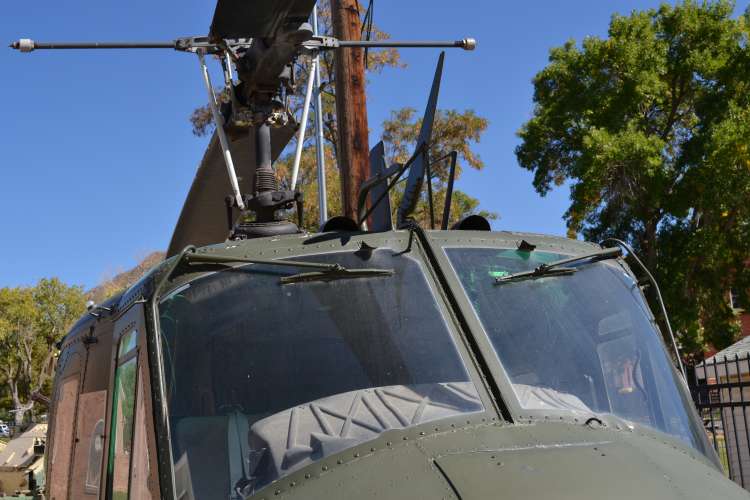
Huey Helicopter at End of Vietnam War
|

The Huey Helicopter’s Role in the Final Chapters of Vietnam

The late 1960s marked a crucial turning point in the Vietnam War. As the US government-initiated plans to reduce its military presence in 1969, the Bell UH-1 “Huey” emerged as a vital player in the transition strategy.

Drawdown and Transition

By 1969, the US was signaling its intent to leave Vietnam. The South Vietnamese Air Force (SVAF) took the mantle of combat operations, aiming to deploy five hundred Hueys across sixteen squadrons. However, as US forces further receded and operations like 1970’s Operation Toan Thang 43 in Cambodia were greenlit, the clock ticked down for the Hueys’ role.

The Huey in Vietnam: Bell’s UH-1 at War
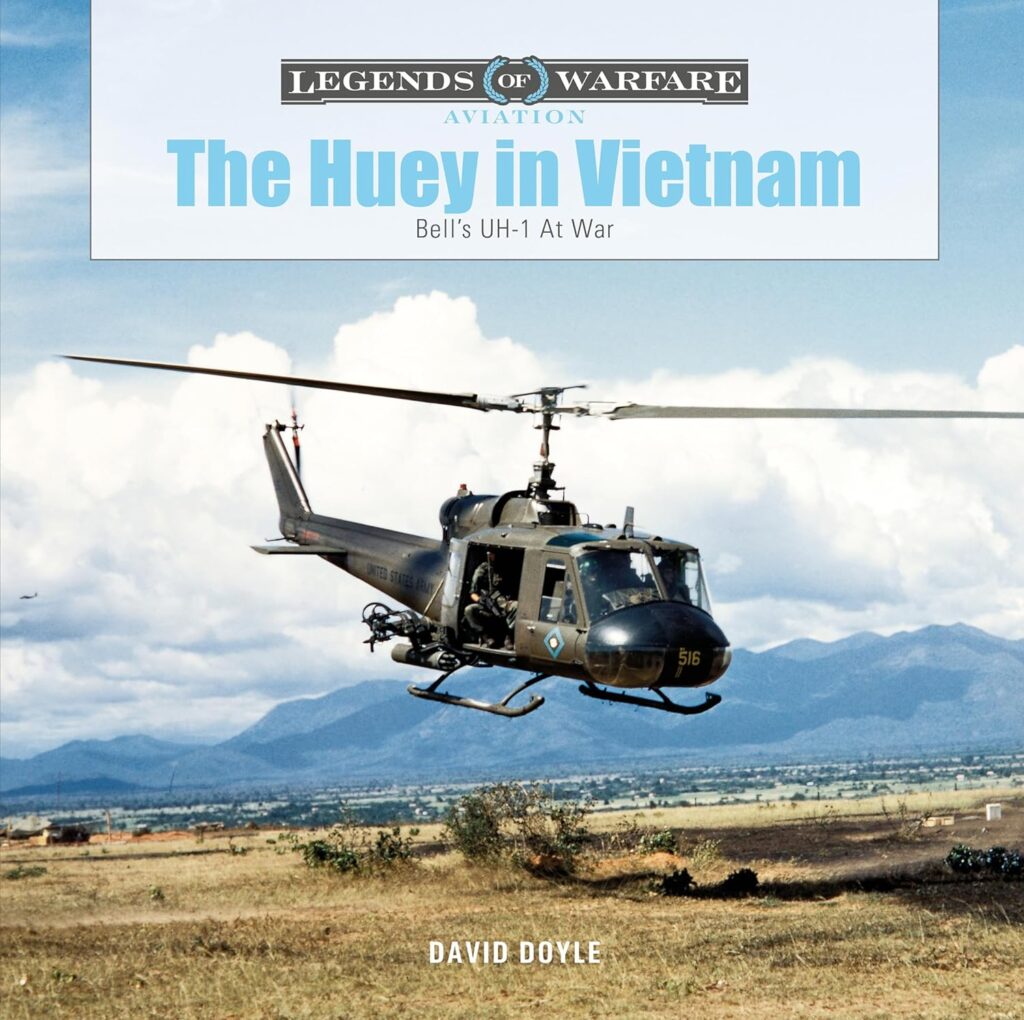
The Huey in Vietnam

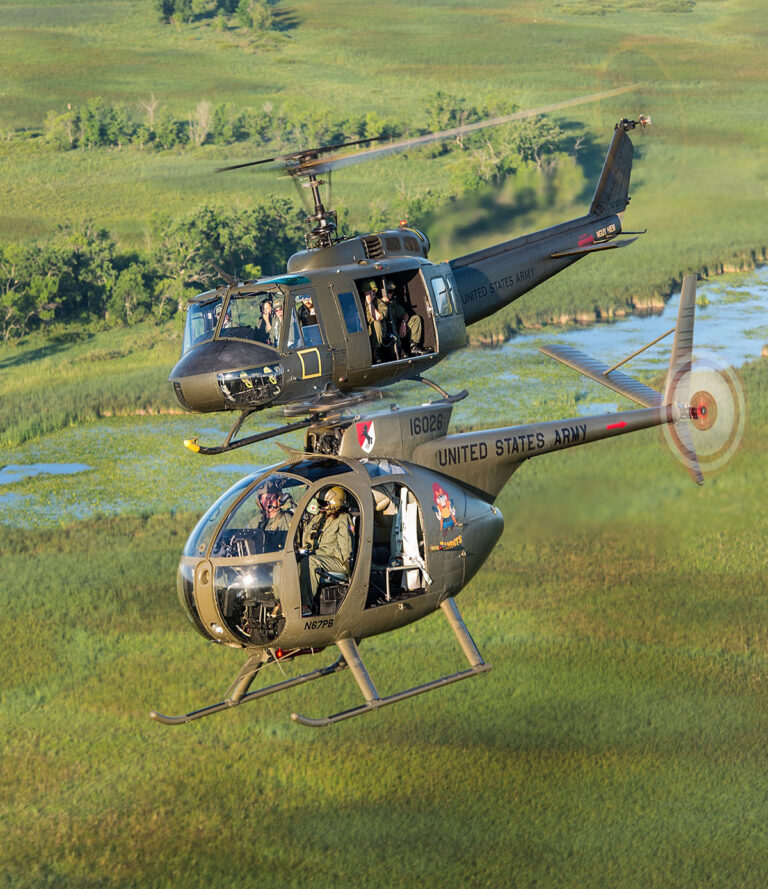
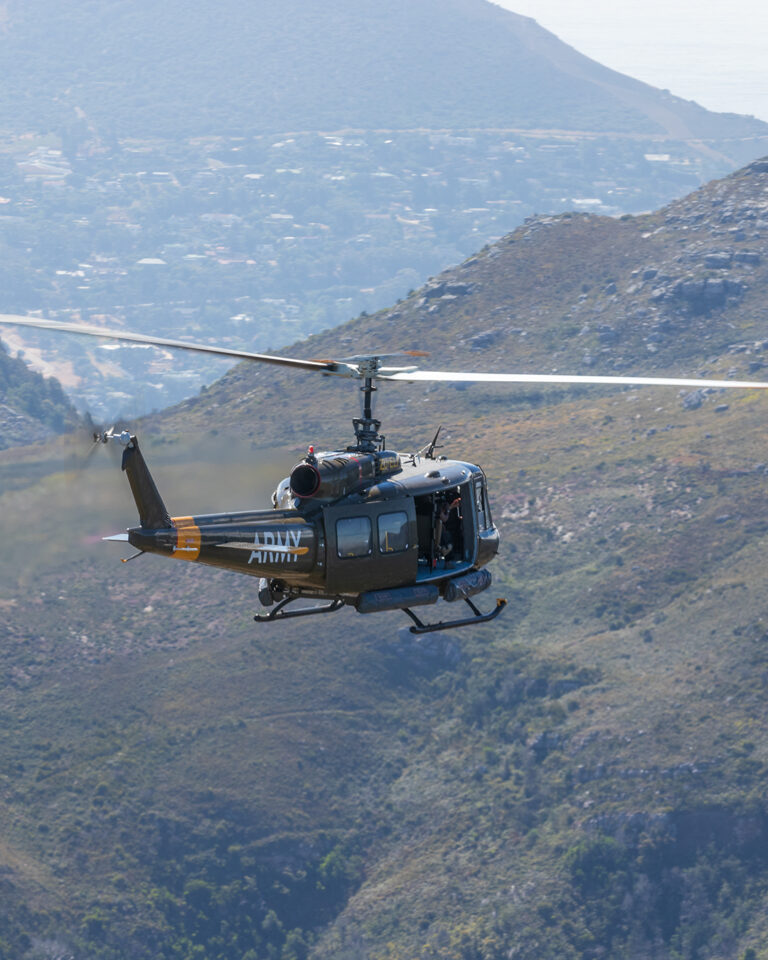
Few implements of war are as representative of the US presence in Vietnam as the Bell Huey UH-1-series helicopters. Whether serving in the role of troop transport for airborne assault, supply transports, aerial gunships, or medical evacuation, the Huey was seemingly everywhere. The versatile aircraft, officially the “Iroquois,” was affectionately known to all as the “Huey,” a name derived from its early model designation of HU-1A. The Huey, later re-designated UH-1, was a mainstay during America’s presence in Vietnam, and 11 Huey crewmen earned the Medal of Honor.

Retreat and Resource Gaps

By 1972, Navy and Marine Hueys had mostly exited the conflict. But the SVAF grappled with challenges, notably a lack of pilots and maintenance crews. Despite owning five hundred Hueys by 1972, only ninety-one were operational by 1973’s end. The Huey, although essential, was underutilized due to Saigon’s limited resources and technical constraints.
UH-1H Huey Helicopter Plaque

Diminishing US Support

Post the 1973 armistice, as American combat operations ceased in Cambodia, optimism surrounded South Vietnam’s chances of autonomy. However, waning US public and political support for the war meant diminished aid for Saigon. Crucial support, including up to date Hueys and other weaponry, was not forthcoming.

Saigon’s Fall

1975 heralded North Vietnam’s decisive offensive. Lacking US backing, Saigon was overwhelmed. April saw Operation Frequent Wind, where Hueys played a pivotal evacuation role, sometimes discarded at sea to allow others to land on packed US Navy ships.

Losses and Legacy

The US’s toll during the war included thousands of Huey helicopters. As Saigon’s evacuation unfolded, over one hundred planes, including Hueys, were transported to Guam, deciding their next steps. The war showed the helicopter’s transformative impact on modern warfare, a fact acknowledged even by the victorious North Vietnamese. They adopted captured Hueys, using them in their nation’s unification endeavors. Despite their earlier adversarial role, the Huey became a symbol of rebuilding and unity.

Similar Posts

  • The Kamov Ka-50 Odyssey: Russia’s Helicopter Revolution in the Skies

    Discover the unparalleled legacy of the Kamov Ka-50, a true marvel in the world of military aviation. Affectionately known as the ‘Black Shark’, this Russian combat helicopter has shaped the course of aerial warfare with its revolutionary design and unmatched capabilities. The article delves deep into the Kamov Ka-50’s rich historical roots, outlining its emergence as a game-changer in the skies. Learn about its innovative technical specifications, which set it apart from contemporaries and paved the way for future rotorcraft innovations. Explore the tactical roles it has masterfully executed, and the modern upgrades that ensure its relevance in today’s dynamic combat scenarios. Beyond the battlefield, witness the Kamov Ka-50’s cultural imprint, from video games to silver screens. This comprehensive exploration offers insights into not just an aircraft, but a symbol of Russian ingenuity and a testament to human engineering prowess.

  • US Military Helicopters in Focus

    In the intricate theatre of modern warfare, the US military’s approach to conflict has evolved significantly, particularly within the rugged desert terrains of the Middle East. Central to this evolution are military helicopters, which have seamlessly transitioned from supporting roles to becoming linchpins in war strategy. These formidable flying machines have increasingly been used for vital attack and reconnaissance missions.

    Furthermore, the modern battlescape demands constant adaptation. Consequently, the US military is continuously in pursuit of advanced helicopter designs, encompassing cutting-edge technology to better equip them for their multifaceted roles on the battlefield.

  • |

    Hueys in Vietnam: The Ascendancy of Air Cavalry

    The Vietnam War era was marked by countless innovations, but none stood out quite like the Bell UH-1 “Huey” helicopter. As the backbone of the 1st Cavalry Division (Airmobile) and other military branches, the Huey shifted military tactics from traditional ground movements to agile aerial operations. Beyond its tactical agility, it came armed with formidable firepower, redefining aerial warfare. This article delves into the Huey’s meteoric rise, its game-changing presence in battles like Ia Drang Valley, and its global military adoption, painting a vivid picture of a machine that changed the course of history.

  • 10 Facts about the Boeing CH-47 Chinook

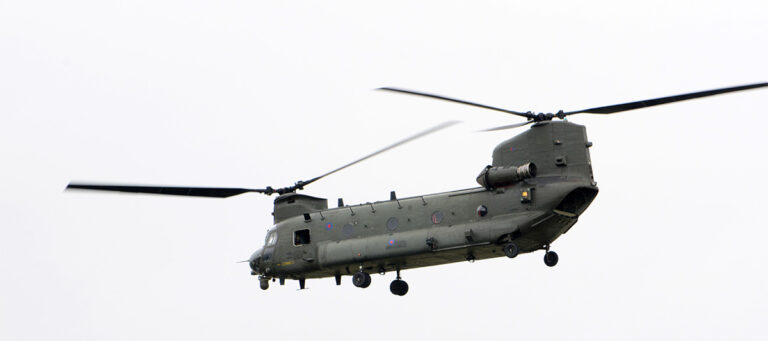
    The Boeing CH-47 Chinook helicopter, a cornerstone of global military operations, boasts an impressive history and an array of features that underscore its significance. First flown in 1961, the Chinook has served in countless conflicts, showcasing unparalleled lift capabilities and adaptability. Its tandem rotor design eliminates the need for a tail rotor, optimizing lift and enabling it to carry substantial payloads, including troops, vehicles, and supplies.

  • CH-47 Chinook Helicopter – Making a Great Helicopter Better

    The CH-47 Chinook Helicopter was an enlarged development of the Vertol Model 107, designated Model 114, which the Army preferred because of its greater capacity.  The prototype was first flown on September 21, 1961, and deliveries to the Army began in 1972 as the CH-47A Chinook.  With large twin rotors powered by relatively new turboshaft engines, plus a cavernous fuselage, the CH-47 offered helicopter airlift capability not previously available. 

  • |

    Boeing Chinook Helicopter Performance Video

    This video demonstrates the multiple uses of the Chinook CH-47 Helicopter.  The Chinook may look like a lumbering giant, but this video will change your opinion of the Chinook Dual-Rotor Helicopter.  The CH-47 goes through some powerful moves and you quickly realize that even the Chinook pilots get to have some serious fun with their machines.