The Harvester Helicopter: Changing in Modern Agriculture
In the ever-evolving landscape of agriculture and forestry, the harvester helicopter stands out as a remarkable innovation. This aerial marvel combines the agility of helicopters with the precision required for harvesting, making it an indispensable tool for modern farmers and loggers. As we journey into the intricacies of this technological marvel, we will see how it is shaping the future of sustainable agriculture.
History and Evolution of Harvester Helicopters
The history of aerial harvesting traces back several decades, but the development of specialized harvester helicopters is recent. Initially, helicopters were merely modified to conduct basic harvesting tasks, primarily to access regions that ground machinery could not. However, as demands grew and technology advanced, the modern harvester helicopter was born. These machines were no longer just adaptations but were designed from the ground up with harvesting in mind.
Benefits of Using Harvester Helicopters
Speed and Efficiency
In the agricultural sector, timing is crucial. Traditional methods, although dependable, can often be time-consuming. Harvester helicopters, with their rapid deployment and efficient mechanisms, can drastically reduce the time taken for tasks like sowing seeds or harvesting crops. This speed not only means quicker turnover but also ensures that produce is harvested at its peak, leading to better quality and reduced wastage.
Accessing Difficult Areas
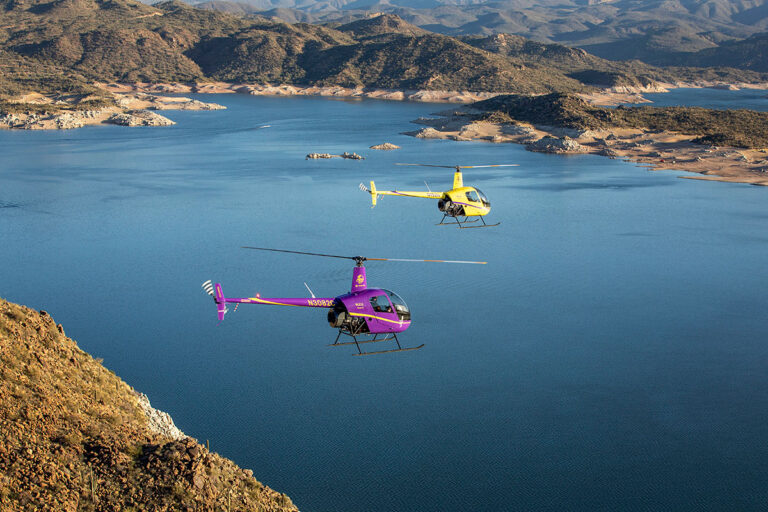
One of the standout benefits of using harvester helicopters is their ability to access challenging terrains. Mountainous regions, dense forests, and wetlands can pose significant challenges for ground-based machinery. Helicopters, with their vertical take-off and landing capabilities, can easily navigate these challenges, ensuring every inch of arable land is utilized.
Reduced Environmental Impact
Agriculture and forestry have historically had significant environmental impacts. Heavy machinery can lead to soil compaction, which in turn affects crop growth. Harvester helicopters mitigate this by virtually eliminating the need for machinery to traverse fields. The result is healthier soil and minimized ecological disruption.
Key Features and Modern Models
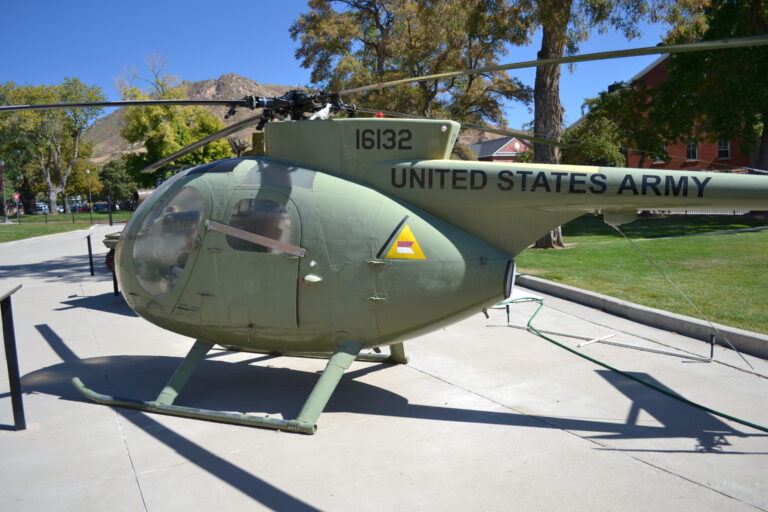
Today’s harvester helicopters are technological powerhouses. Advanced sensor systems allow for real-time monitoring of crop health, ensuring that any issues are promptly addressed. Precision tools, guided by sophisticated software, guarantee that the task, whether it is planting seeds or felling trees, is done with utmost accuracy.
An Illustrated History of Military Helicopters

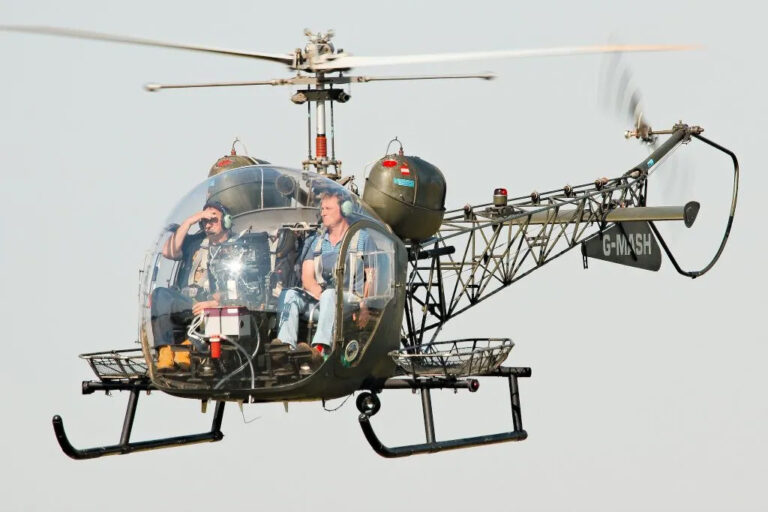
A complete history of Army and Navy helicopters from the first visionaries to unmanned aircraft systems. This book, with over 200 helicopter photographs documents every generation of rotorcraft from early prototypes to the specialist helicopters of today.
Amazing text. As a Veteran helicopter mechanic I am passionate about all birds and their histories. Highly recommend this book. It sits firmly on my coffee table to spread the allure to friends and visitors alike. – John J.
Harvester Helicopter Vs. Traditional Methods
The debate between traditional methods and harvester helicopters is nuanced. While helicopters offer undeniable advantages in terms of speed, efficiency, and environmental conservation, traditional methods have the benefit of time-tested reliability. However, with the global push towards sustainable practices and the need to optimize yields in the face of growing populations, harvester helicopters are becoming the preferred choice for many.
Safety, Training, and Certification
A significant aspect of harvester helicopters is the emphasis on safety. Given the dual challenges of flying and harvesting, operators must undergo rigorous training. Several institutions now offer courses tailored to this niche, combining flight training with specific harvesting techniques. Beyond training, certifications provide a benchmark of expertise, with regular renewals ensuring pilots stay updated with the latest safety protocols and technological advancements.
Harvester Helicopters
| Manufacturer | Model Name | Load Capacity (kg) | Rotor Diameter (m) | Max Flight Time (hrs) | Notable Features |
| Bell | Bell 407 | 1200 | 10.67 | 2.8 | Fast, versatile, used for many roles including aerial application |
| Airbus | H125 | 750 | 10.69 | 3.3 | High performance at high altitudes; commonly used for aerial work |
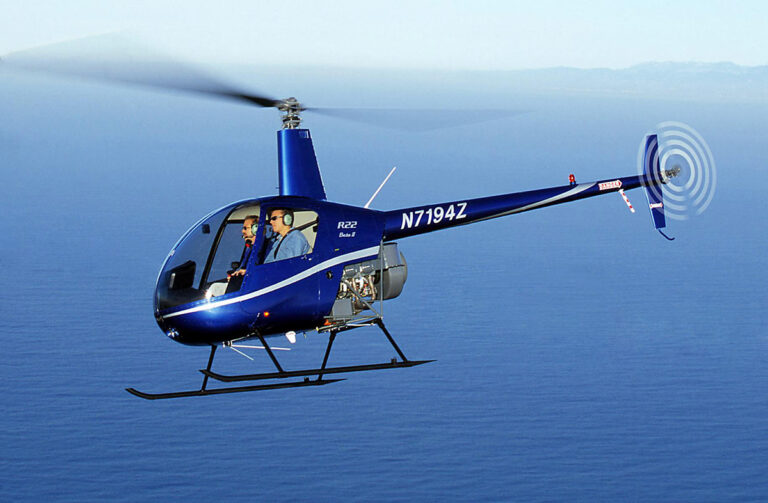
| Robinson | R44 Raven II | 340 | 10.06 | 3 | Light utility helicopter; cost-effective and popular |
| Sikorsky | S-76 | 1400 | 13.41 | 2.5 | Twin-engine; reliable and commonly used for VIP and utility roles |
These helicopters have diverse roles and are used for various purposes, from VIP transport to medical evacuation to aerial application. The specifics regarding their use in agriculture or forestry would depend on how they are equipped and modified. If a helicopter model is to be used for harvesting or any agricultural application, it would typically be equipped with specialized equipment and would have to meet certain safety and regulatory requirements.
The rise of the harvester helicopter is a testament to human ingenuity and the drive to continuously improve. In combining the best of aviation and agriculture, these machines are not just revolutionizing industries but also ensuring that we move towards a more sustainable and food-secure future. As they soar over fields and forests, harvester helicopters are undoubtedly paving the way for the next era of agriculture.
Frequently Asked Questions (FAQs) about Harvester Helicopters
1. What exactly is a harvester helicopter?
A harvester helicopter is a specialized aerial vehicle designed for agricultural tasks, particularly harvesting. Equipped with advanced technology and tools, these helicopters can swiftly and efficiently harvest crops or perform other agricultural activities.
2. How do harvester helicopters differ from traditional helicopters?
While traditional helicopters are designed primarily for transportation and general-purpose tasks, harvester helicopters are tailored specifically for agricultural operations. They come with specialized equipment, sensors, and features that enhance their harvesting capabilities.
3. Are harvester helicopters environmentally friendly?
Yes, one of the significant advantages of using harvester helicopters is their reduced environmental impact. By minimizing the use of ground machinery, these helicopters help prevent soil compaction, thereby preserving soil health and the surrounding ecosystem.
4. How cost-effective is using a harvester helicopter compared to traditional methods?While the initial investment in a harvester helicopter can be significant, the long-term benefits, including speed, efficiency, reduced crop wastage, and potentially lower operational costs, often make it a cost-effective solution for large-scale agricultural operations.
5. What kind of crops can be harvested using these helicopters?
Harvester helicopters are versatile and can be equipped for various crops. However, their effectiveness might vary based on the type of crop, its location, and specific harvesting requirements.
6. What kind of training is required to operate a harvester helicopter?
Operating a harvester helicopter requires specialized training. Pilots must be skilled not only in helicopter navigation but also in understanding the intricacies of aerial harvesting. Certifications and regular training updates are often mandated for safety and proficiency.
7. Are there any safety concerns associated with using harvester helicopters?
Like all aerial vehicles, harvester helicopters come with safety considerations. However, with proper training, maintenance, and adherence to safety protocols, risks can be minimized. It is essential to ensure that the helicopter is operated by trained professionals and regularly inspected for any issues.
8. Where can I purchase or lease a harvester helicopter?
Several manufacturers produce helicopters that can be modified or equipped for agricultural purposes. It is crucial to conduct thorough research, consult industry experts, and visit trusted dealers or manufacturers when considering such an investment.