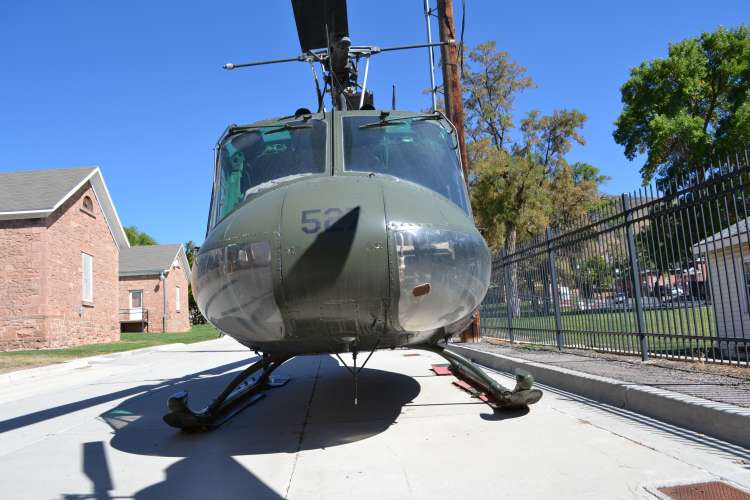
Harnessing the Huey: The Emergence of Tactical Air Mobility
In the 1960s, the US Army began experimenting with the use of helicopters to enhance tactical air mobility. Major General Harry Kinnard,Kinnard, an ardent aviation advocate, led the 11th Air Assault Division at Fort Benning, Georgia. Colonel Delbert Bristol led the 10th Air Transport Brigade, with a shared mission to maximize the helicopter’s battlefield impact.
Pioneering Aerial Tactics
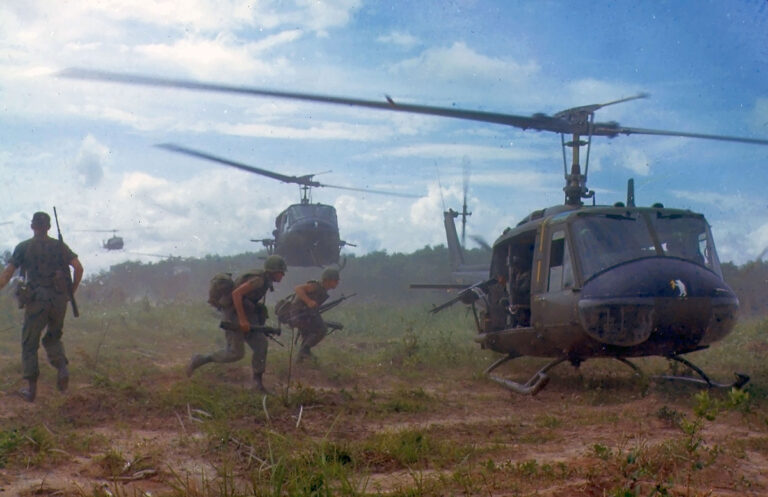
Given that this was a novel venture, the best practices for employing these helicopters tactically developed organically through daily training exercises. The absence of textbooks or set procedures meant every lesson learnt was precious and meticulous records were kept. The inaugural test in 1963 involved equipping a Huey with a ground-capable radio. This was new technology in 1963 and had to be thoroughly tested.
Establishing Aerial Assault Strategies
The primary goal during these tests was to devise strategies that combined the elements of surprise and massive offensive firepower in an air assault. Without any historical reference for using helicopters in warfare, numerous aspects had to be learned and documented. This included formation flying, aerial artillery use, assault doctrine, airspace control, and coordination over target areas. One crucial insight from the tests was the realization that airmobile brigade and battalion headquarters could function efficiently without division control teams.
Overcoming Challenges, Reaping Rewards
Testing concluded on November 12, 1965, but not without its share of challenges. A significant storm during the first five days severely disrupted air activity. The post-test review revealed limitations: the 11th Air Assault Division had poor ground mobility, was susceptible to armored attacks, and operations were drastically affected by adverse weather and prolonged combat. However, it also showed an impressively high operational tempo, remarkably short reaction times, long-range capabilities, the ability to simultaneously fight in different directions, and the ability to concentrate forces effectively. The critical lesson was the Division’s ability to find the enemy and marshal necessary resources to annihilate him.
Launching the First Airmobile Division
Following the successful completion of these tests, Defense Secretary Robert McNamara created the 1st Cavalry Division (Airmobile), merging components from the 11th Air Assault Division, the 10th Air Transport Brigade, and the 2nd Infantry Division. This new Division did not have long to organize before it was ordered to Vietnam in July 1965. In a staggering show of efficiency, they amassed 16,000 soldiers and 434 helicopters in just over three weeks.
Continuous Evolution of the Huey Helicopter
With the US Army’s commitment to Air Mobility, Bell Helicopter foresaw an increase in orders for the UH-1. Subsequently, over the next decade, the Huey underwent upgrades and modifications based on combat lessons from Vietnam. These enhancements included a larger main cabin, a more powerful engine, and increased weight capacity.
Expanding Roles and Setting Records
As the Huey’s abilities grew, so did its roles. The Army tasked the helicopter with troop transport, medevac, gunship, smoke ship, command and control, general service and support, and reconnaissance. Additionally, Bell continued to innovate, creating the Model 533, a high-speed research vehicle with a swept wing. In 1969, Bell added two thrust J60 jet engines to the helicopter and set a record speed of 316mph.
Introducing the HueyCobra
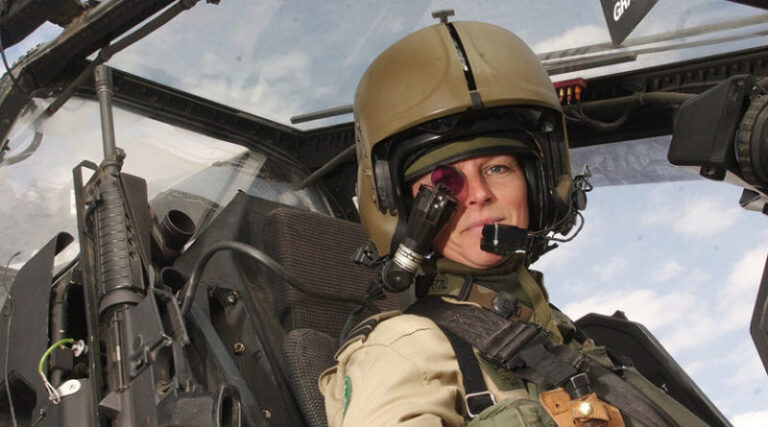
These experiments paved the way for the creation of a purpose-built helicopter gunship. Building on the success of the Model 47 Sioux Scout, Bell used the preferred Huey frame to produce the first AH-1G HueyCobra.
In summary, the Huey Helicopter was pivotal in revolutionizing the concept of Tactical Air Mobility. From testing innovative strategies to setting speed records, the Huey played a critical role in shaping the modern battlefield. Its evolution in functionality and design continues to impact military strategy and technology.
Frequently Asked Questions
1. Who was Major General Harry Kinnard and what role did he play in the use of Huey Helicopters?
Major General Harry Kinnard was a pilot and a long-time advocate of aviation within the US Army. He led the 11th Air Assault Division at Fort Benning, GA, which served as the test group for understanding how to best use the Huey Helicopter in war-time situations.
2. What was the 10th Air Transport Brigade’s purpose?
The 10th Air Transport Brigade, led by Colonel Delbert Bristol, was activated to explore how the helicopter could benefit ground combat units as effectively as their existing trucks, armored vehicles, and self-propelled weapons, replacing all ground equipment they superseded.
3. What were some of the key lessons learned during the tactical mobility testing phase?
Important lessons were learned about how to use helicopters effectively in warfare, including tactics like flying in formation, using aerial artillery to suppress enemy positions, and managing communication and airspace control. It was also found that airmobile brigade and battalion headquarters were able to handle the required tasks without needing division control teams.
4. What was the impact of the 1st Cavalry Division (Airmobile)?
The 1st Cavalry Division (Airmobile), established following the successful testing phase, represented a significant commitment by the US Army to air mobility. The Division was quickly deployed to Vietnam and grew to include 16,000 soldiers and 434 helicopters, mostly UH-1 Hueys.
5. How did the Huey Helicopter evolve based on the experiences in Vietnam?
Based on lessons learned during combat operations in Vietnam, the Huey was consistently upgraded and modified. Bell Helicopter focused on the utility role, resulting in the UH-1H Huey with a 1400hp engine, significantly increased cargo space, and an expanded range, making it highly versatile.