Bell Huey Helicopters in Combat
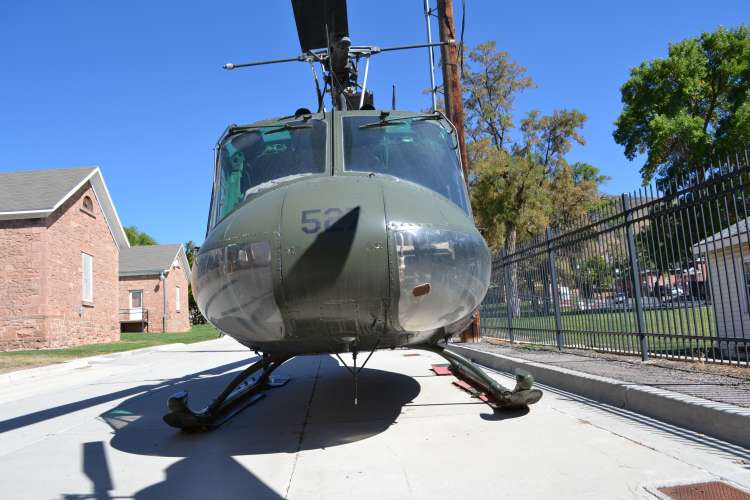
The Bell UH-1 Helicopter played an unprecedented role in the Vietnam War, earning the reputation of the most crucial military aircraft. Serving various purposes, including troop transport, armed attacks, and medical evacuations, the Huey helicopter accomplished over 36 million sorties during the war. It revolutionized the battlefield in three distinctive roles – as “slicks,” “gunships,” or “dustoffs.”
The Huey’s Influence on Battlefield Survival Rates
The UH-1 Helicopter had an unmatched impact on the survival rate of casualties in the battlefield. Astonishingly, the Huey airlifted 90 percent of the 120,000 combat casualties straight to medical facilities. First employed in Vietnam in April 1962 by the 57th Medical Detachment, the UH-1As were active before the United States’ official involvement in the Vietnam conflict.
Forged in Fire
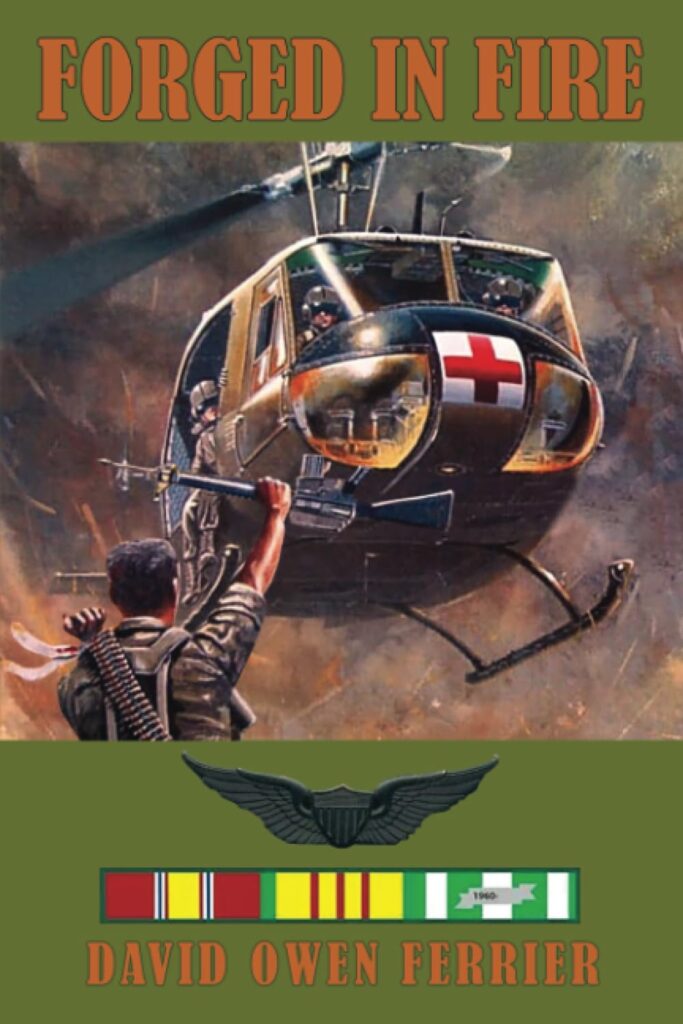
Author David Ferrier served in the 571st Medical Detachment Dustoff Unit in Vietnam where he rescued the wounded and dying in unarmed helicopter ambulances.
The 20 stores in this book chronicle the bloodiest of those times on the war front, the chaos of the Vietnam War, the dissension that ravaged America during and after the war, and the controversial homecoming of many Vietnam Veterans.
The Advent of Combat Hueys
October 1962 marked the introduction of Helicopters equipped with machine guns and rockets in Vietnam. In the following year, the UH-1B Hueys began replacing the Piasecki CH-21 Shawnee. The 119th Aviation Company was the first unit to adopt Hueys. By the end of 1963, the UH-1B nearly entirely replaced the CH-21, setting a new standard for US Army helicopters in the war.
Development of Combat Tactics
During this era, the Army innovatively built upon General Howze’s concepts. They began operating with a basic fire team consisting of two gunships and a troop transport for trips into the LZ. The gunships would lay down continuous machine-gun fire during an engagement, allowing for a safer and more strategic battlefield approach.
Implementation of Standard Operating Procedures
The gunships’ standard practice was to launch rockets and machine gun fire into potential enemy zones. This “prepping” by the gunships allowed the “slicks” to safely drop their troops into the LZ. The Huey’s door gunners would cover the soldiers as they exited, enabling rapid deployment into enemy territory.
The Growth of Tactical Knowledge
As the Army’s tactical knowledge evolved, the “Eagle Flight” command aircraft system was developed. This allowed both South Vietnamese and US Army commanders to assess the battlefield situation and direct safe troop insertion. By November 1964, every helicopter in South Vietnam had an “Eagle Flight Lead.”
Introduction of the UH-1C
With enhanced fuel capacity, a powerful engine, and a revised rotor system, the UH-1C entered service. Mainly operating as gunships, they arrived in South Vietnam in early 1965, marking a significant period of growth in American participation in the war.
The Helicopter War
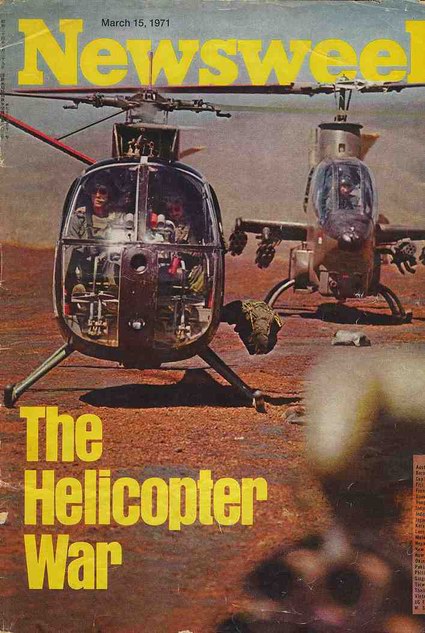
The conflict became famously known as “The Helicopter War.” Despite the name not sticking, it signified the impact the Bell Huey Helicopter had on the war. The Laotian campaign’s risks highlighted the chopper’s importance, symbolizing the enduring and revolutionary role of U.S. helicopters in the Indochina conflict.
Conclusion
The Bell UH-1 Helicopter transformed the way combat was conducted, especially in the Vietnam War. Through its diverse roles, innovative tactics, and ability to adapt to various battlefield situations, it left an indelible mark on military history. The Newsweek article from March 15, 1971, offers an in-depth perspective on the subject.
Click Here to read the complete Newsweek article.

Author: Mike Byrd
My fascination with helicopters began on a sunny day in Florida, when I had the exhilarating opportunity to ride in a Robinson R22 helicopter. That first experience aloft, feeling the power of the rotor blades and the freedom of flight, ignited a passion in me that has never diminished.