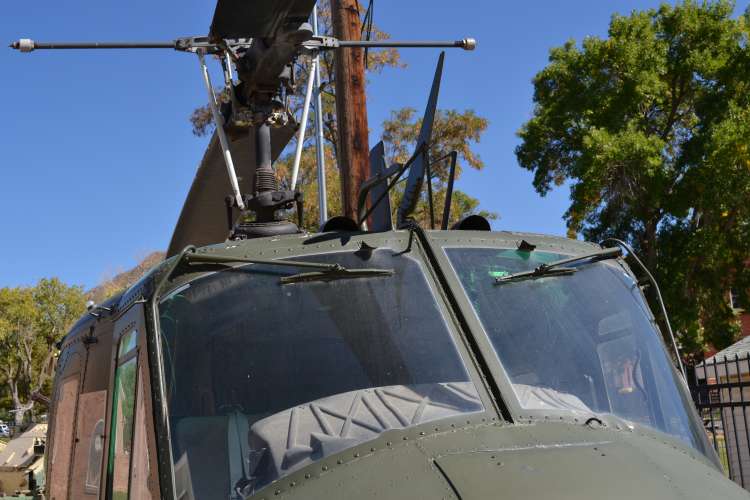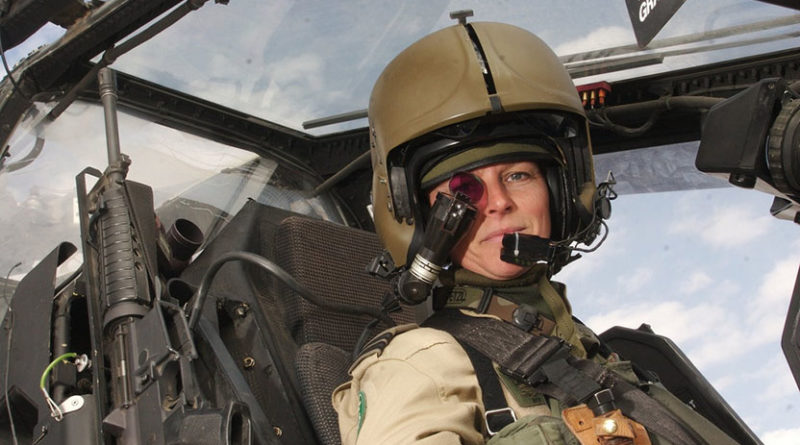
Army Helicopter Pilots are highly trained

Army Helicopter Pilots Are Specially Trained

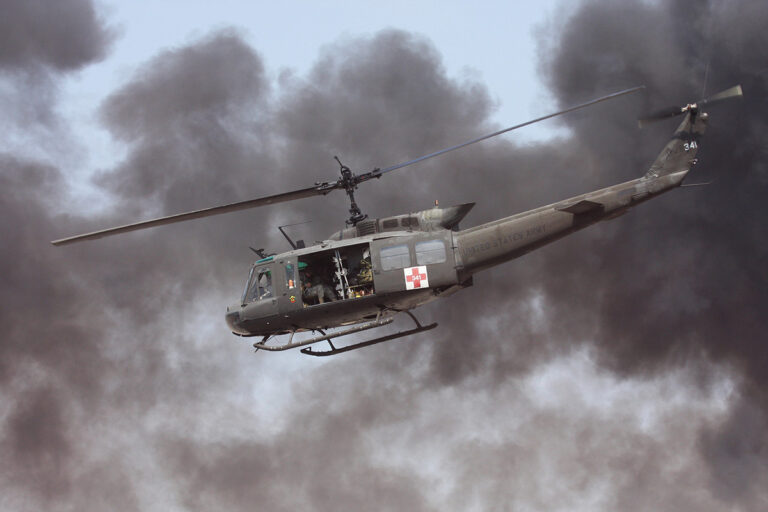
Army helicopter pilots are specially trained for combat missions and flying in challenging conditions. Becoming an army helicopter pilot must be one of the most exciting careers there is. You could be ferrying troops or ammunition in a Chinook helicopter, scouting in a Kiowa, working special operations in a Black Hawk helicopter, or controlling the awesome firepower of an Apache Attack Helicopter. The career of an Army pilot has a wide and varied working life in combat and out of it.

Army Helicopter Pilots and Their Training

Army helicopter pilots first have to learn basic combat skills, so the first order of the day will be basic combat training. That is nine weeks to learn what it is to be an army soldier. You will learn weapons handling, camouflage, drill and all the other skills you need to become a soldier.

Once basic training is over, it is off to warrant officer candidate school. This is where you will learn the technical skills all army pilots need to learn. Being a warrant officer instead of a commissioned officer means you can continue flying as your career progresses instead of moving around the chain of command as an officer would.

The Adventures of a Helicopter Pilot: Flying the H-34 helicopter in Vietnam for the United States Marine Corps
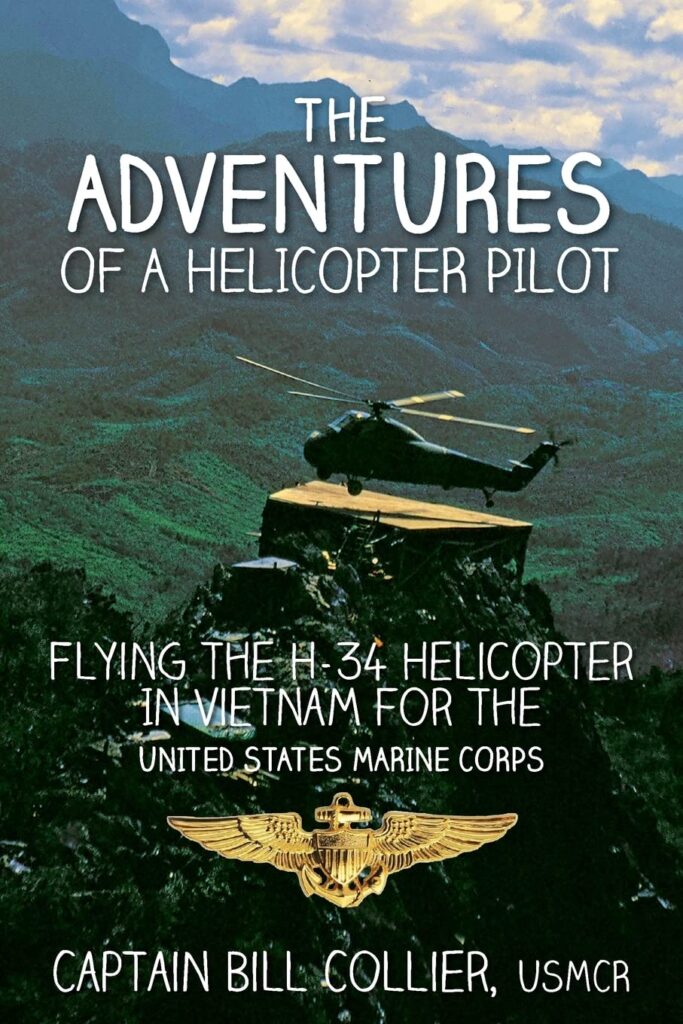
This is a spell-binding, first-hand account of what it was like to pilot a Marine Corps H-34 helicopter in combat during “The Helicopter War” in Vietnam. As a brand-new United States Naval Aviator, Second Lieutenant Bill Collier had many exciting adventures – some exciting, some horrific and some terrifying. This is the true story of his experiences during his 13 months in the war. Bill watched friends die violently and stood many times eye-to-eye and toe-to-toe with Death itself. Each time, Death flinched first.
Army Helicopter Pilot in Helicopter Cockpit

Army Helicopter Pilots must prepare for the flight.

Once you finish warrant officer candidate school, you are off to Fort Rucker for flight training. This is where the challenging work really begins!

Flight Training for Army Pilots

Flight training for army pilots includes classroom instruction as well as actual flying. You will need to learn flight physics, systems, emergency procedures, navigation, and the myriad of other skills a pilot needs to know.

The first two weeks will be in the classroom, learning all those skills until you reach the required standard. The next stage is IERW, Initial Entry Rotary Wing Course. This is where you begin getting out of the classroom and out onto the flight line.

Your flying training begins in Warrior Hall, a large simulator room where you will begin learning your trade. You will need 7.5 hours of basic flight hours before learning combat maneuvers in a real helicopter.

First Steps

Current army pilots train in a TH-67. The first step is called being in Primary, where you will be paired with an instructor pilot to cover the basics of take-off, landing and so on. After logging enough hours, you will move on to instrument flying, night flying, and BCS training in a Scout or Huey.

Somewhere between weeks three and five, you will perform your Nickel Ride, three to four weeks after that, your first solo flight.

OBC comes next, where you learn to be an officer, as well as a pilot. You will learn to plan and execute missions, do mini-SERE, and go on a five-day exercise. Once complete, you will learn your next post assignment.

Advanced Aircraft Transition is a six-to-fourteen-week course that provides training on your specific helicopter of choice. Army pilots will generally learn to fly the Apache attack helicopter, Kiowa helicopter, Black Hawk helicopter or Chinook helicopter. Once you complete AAT, you will be assigned to your new squadron.

Army pilots never stop training. Even though you are now a qualified pilot, there is always something to learn. Whether it is a new airframe, instrument, weapon, or tactic. You will never be bored as an army pilot!

Similar Posts

  • |

    The Huey Helicopter’s Role in the Final Chapters of Vietnam

    As the Vietnam War neared its end, the Bell UH-1 “Huey” played an instrumental role in shaping its final chapters. From aiding the US’s drawdown strategy to facilitating desperate evacuations during Saigon’s fall, the Huey was at the conflict’s heart. Yet, its legacy extends beyond combat. Post-war, even as a divided nation sought to heal, the Huey found new life in reconstruction and unification efforts. Dive into the intertwined destinies of a nation and an aircraft and explore how the Huey transformed modern warfare.

  • History and Evolution of the Sikorsky UH-60 Black Hawk Helicopter

    The Sikorsky UH-60 Black Hawk Helicopter is known for its resilience and robustness. The image of this helicopter streaking across the skies where military forces have deployed is ingrained in our collective memory. Notwithstanding the tragic events depicted in the movie ‘Black Hawk Down’, the Black Hawk helicopter continues to serve as a steadfast workhorse across all theatres of operations.

  • US Military Helicopters in Focus

    In the intricate theatre of modern warfare, the US military’s approach to conflict has evolved significantly, particularly within the rugged desert terrains of the Middle East. Central to this evolution are military helicopters, which have seamlessly transitioned from supporting roles to becoming linchpins in war strategy. These formidable flying machines have increasingly been used for vital attack and reconnaissance missions.

    Furthermore, the modern battlescape demands constant adaptation. Consequently, the US military is continuously in pursuit of advanced helicopter designs, encompassing cutting-edge technology to better equip them for their multifaceted roles on the battlefield.

  • |

    Bell Huey Helicopters in Combat

    The Bell UH-1 Helicopter played an unprecedented role in the Vietnam War, earning the reputation of the most crucial military aircraft. Serving various purposes, including troop transport, armed attacks, and medical evacuations, the Huey accomplished over 36 million sorties during the war. It revolutionized the battlefield in three distinctive roles – as “slicks,” “gunships,” or “dustoffs.”

  • Korean War and the Medevac Helicopter

    The development of helicopters during and after the Second World War proved the value and utility of rotary wing aircraft in combat situations. So much so that the Army, Navy and Air Force all set up their own helicopter development units.

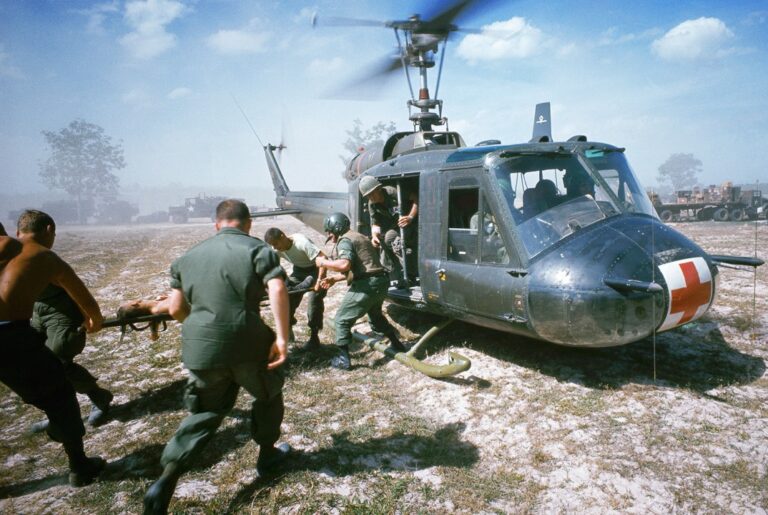
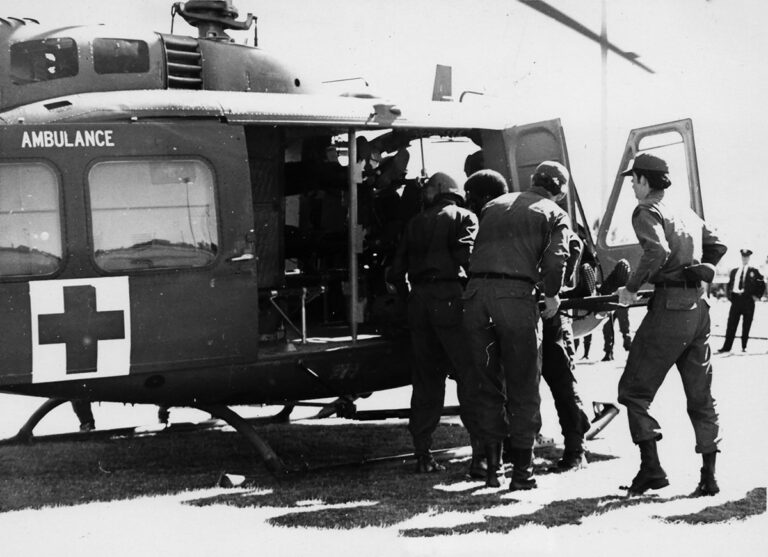
    This enabled a shift in how critical care was delivered in combat. During previous conflicts, medical stations had to be as close to the front line as possible to shorten the path to care. This led to obvious risks and compromises in both treatment and conditions.  The advent of medevac helicopter meant that field hospitals could be set up in central locations and have patients delivered to them. That meant better care, better conditions and the ability to recover after operations before being evacuated. That alone saved hundreds of lives.

  • Unlocking the Legacy: Exploring the Sikorsky UH-60 Black Hawk

    Delve into the history, versatility, and cultural impact of the Sikorsky UH-60 Black Hawk helicopter. Uncover its remarkable journey, from its visionary origins to its role as an enduring aviation icon. Explore its design, advanced technology, and impressive safety features that have made it a trusted choice for diverse missions worldwide. Discover how the Black Hawk has left its mark in film, literature, and popular culture, symbolizing strength and service. We’ll compare it to competing helicopters, showcasing its adaptability and reliability. Look into the future of the Black Hawk, with potential developments in materials, fuel efficiency, and unmanned systems. Join us on this captivating journey through the world of one of aviation’s most iconic symbols and uncover why the Sikorsky UH-60 Black Hawk continues to inspire and innovate.